

Does Every Root Canal Tooth Need a Crown? A Dubai Dentist Explains
Does every tooth need a crown after root canal treatment?
No. A crown is not automatically required after every root canal, but many root-canal-treated back teeth benefit from coverage that protects weakened cusps. Front teeth with limited structural loss may sometimes be restored more conservatively. The choice depends on which tooth was treated, how much structure remains, the size of existing restorations, cracks and bite forces.
At Bourgeois Dental Clinic in Dubai, Dr. Nour can assess the restorative condition of a treated tooth and coordinate endodontic review if symptoms or healing require specialist input.
The short answer
Root canal treatment removes inflamed or infected pulp tissue and seals the canal system. It does not rebuild missing cusps or walls. The final restoration may be a filling, an onlay or a crown depending on the tooth’s structural needs. Delaying a recommended protective restoration can leave a weakened tooth vulnerable to fracture.
Why can a root-canal-treated tooth become vulnerable?
The main structural risk usually comes from decay, a previous large filling, fracture and the access opening required for treatment—not simply from the tooth becoming “dry.” A tooth that already lost substantial structure before root canal treatment may flex under chewing pressure.
Back teeth have multiple cusps and receive significant forces. When marginal ridges or cusps are missing or undermined, cuspal coverage may reduce the risk of catastrophic fracture. The amount and quality of remaining structure are therefore central to planning.
Why do molars and premolars often need coverage?
Molars and premolars crush and grind food. Their raised cusps can separate under repeated load if the centre of the tooth is extensively restored. A crown or onlay can connect and cover vulnerable areas so forces are distributed more broadly.
The decision is not identical for every posterior tooth. A small access in an otherwise intact tooth differs from a molar with a large old filling, deep decay and a cracked cusp.
Do front teeth always need crowns?
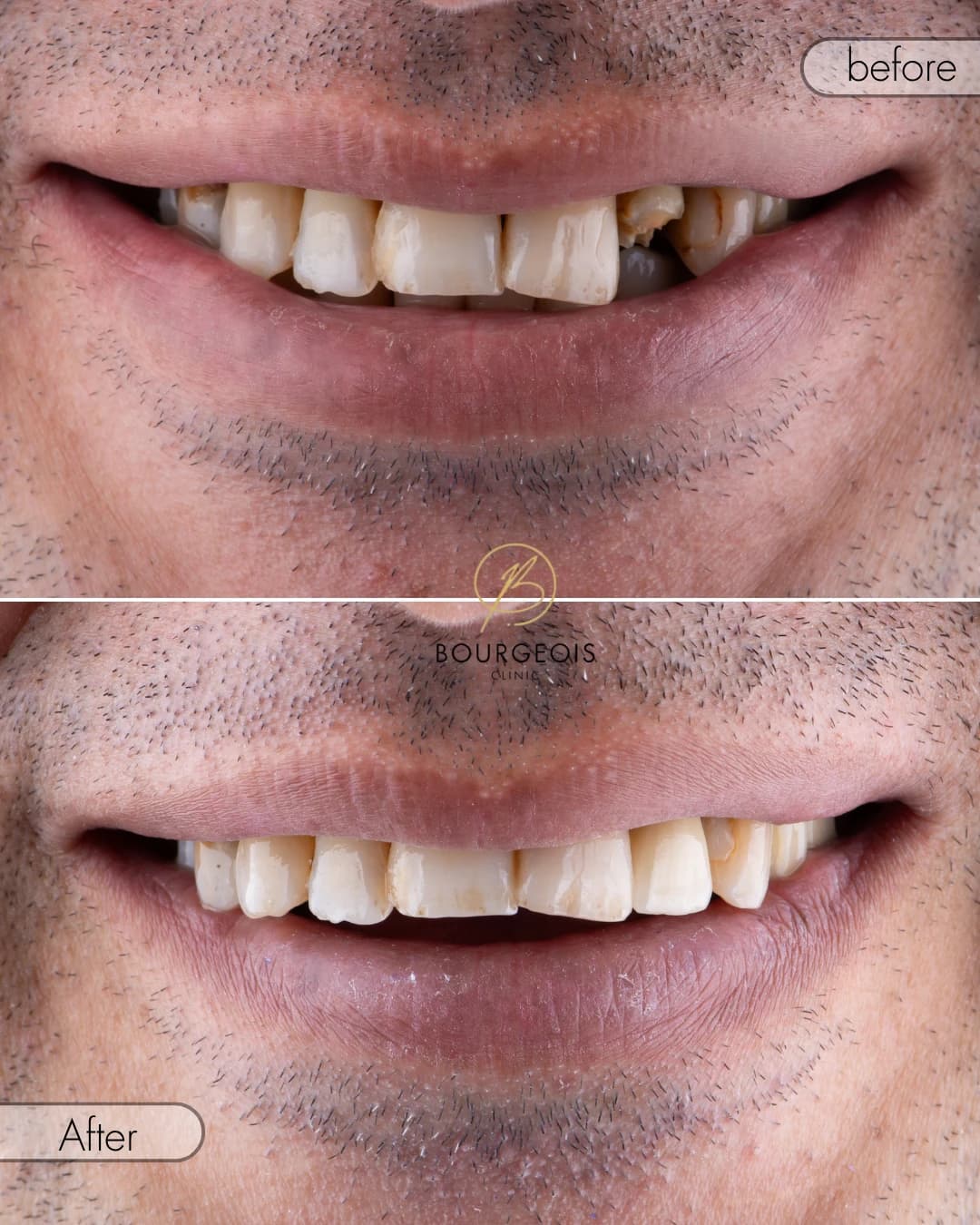
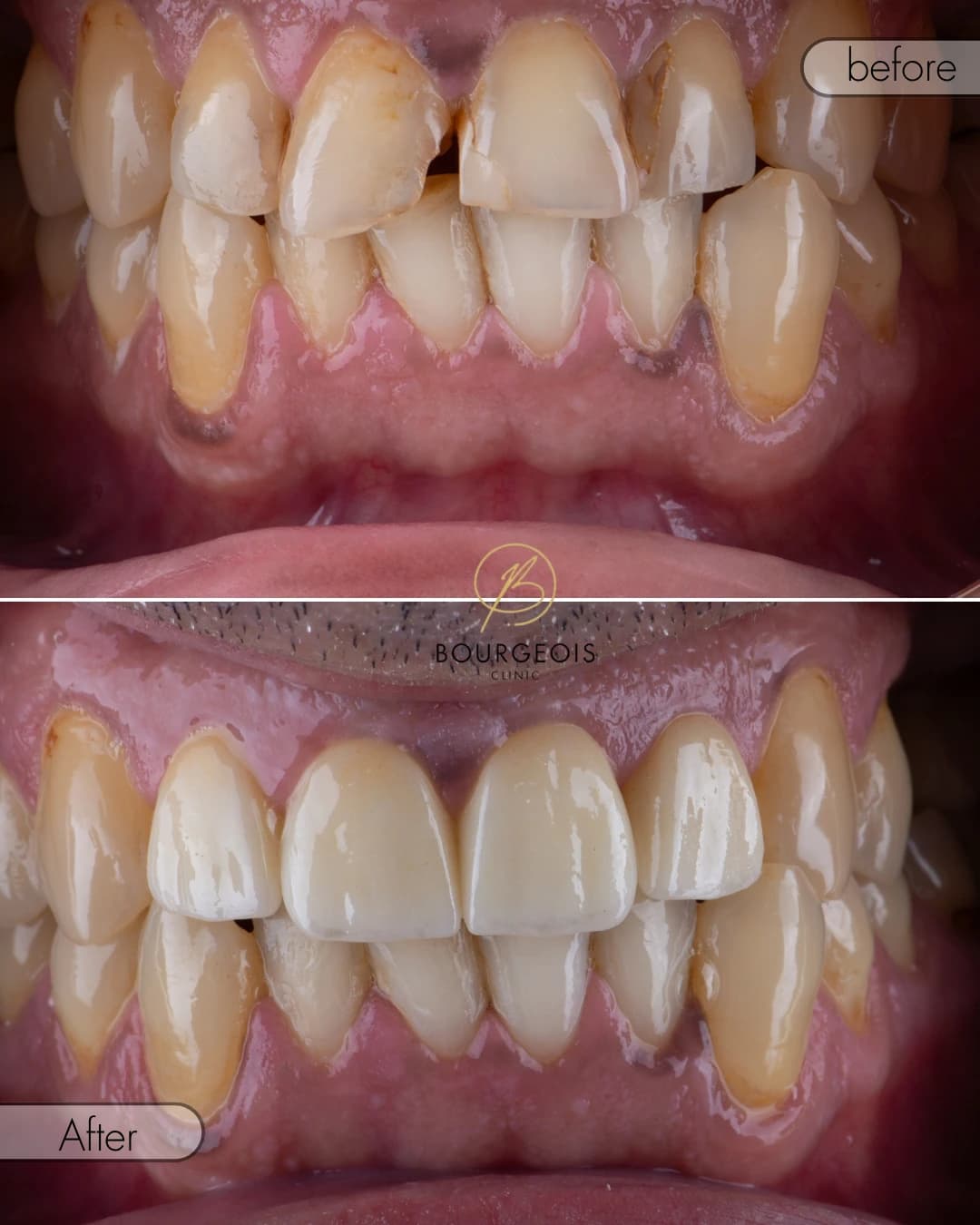
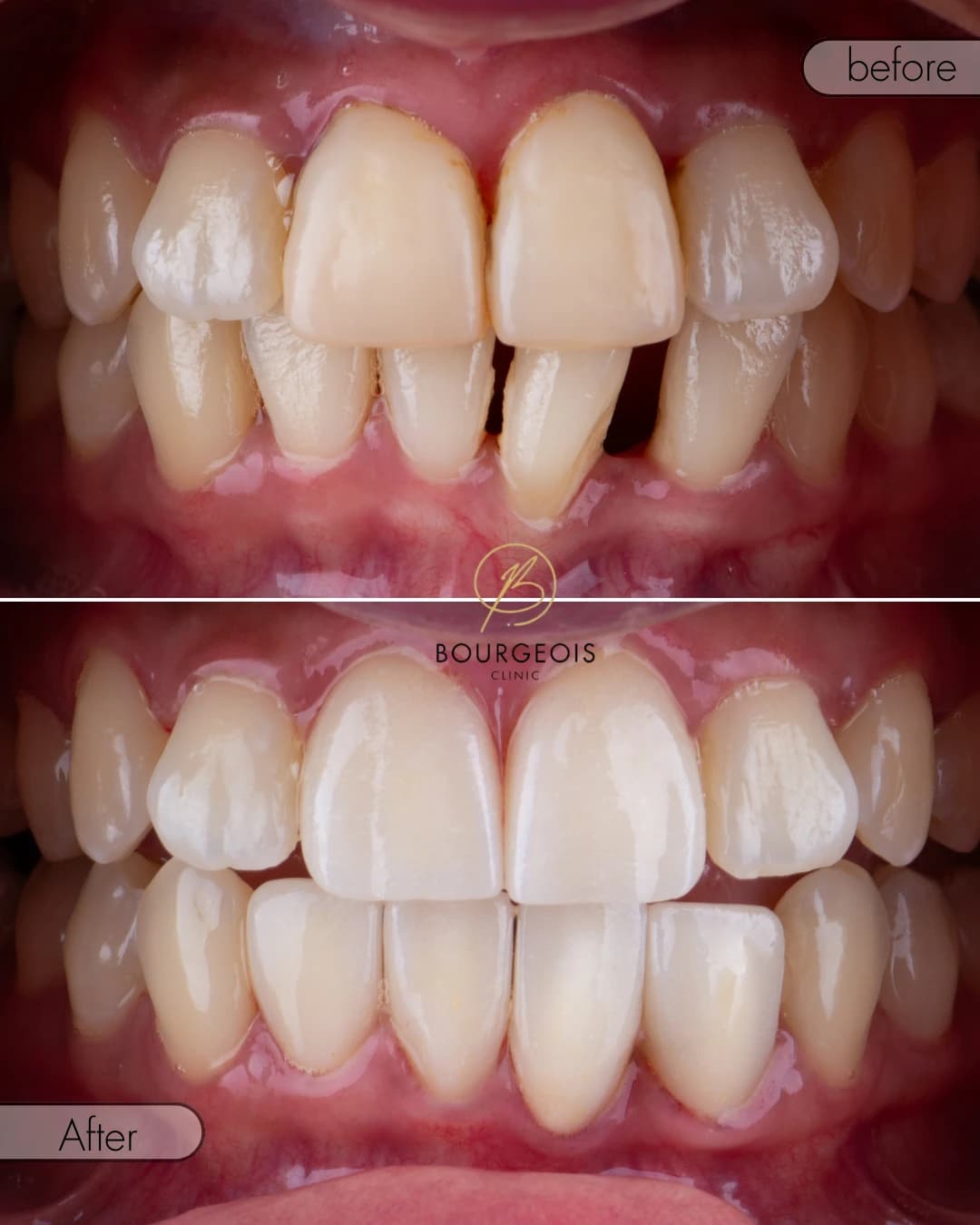
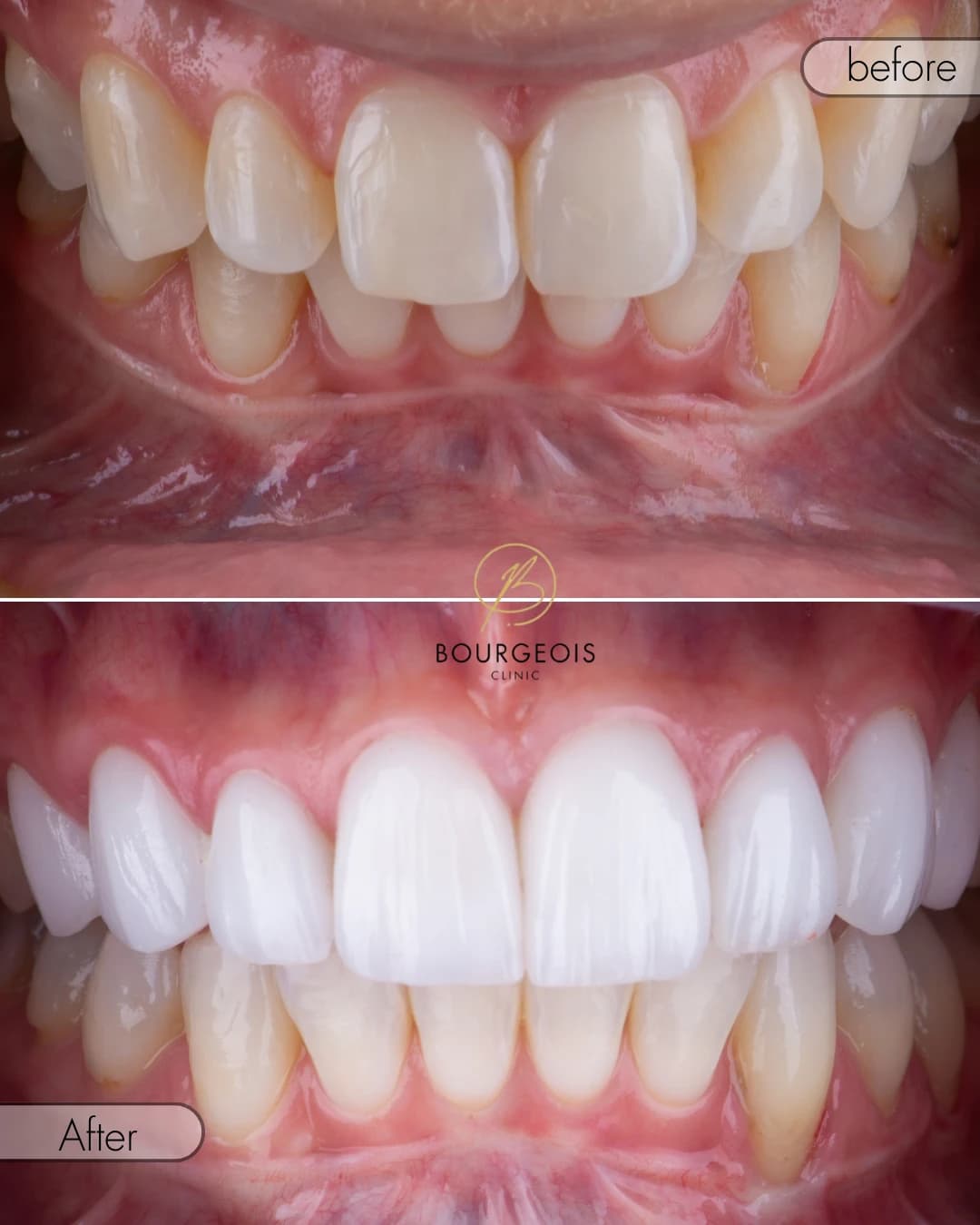
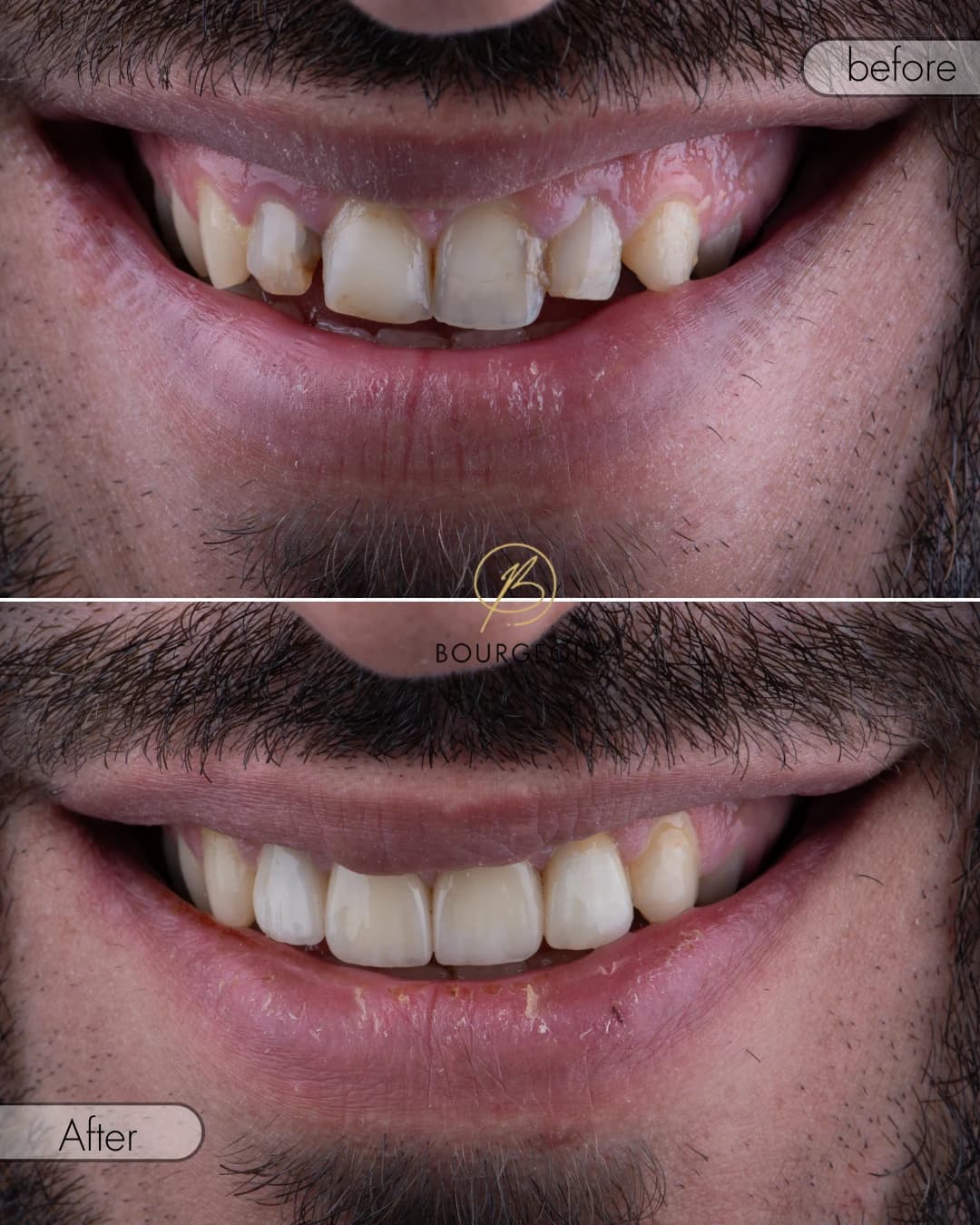
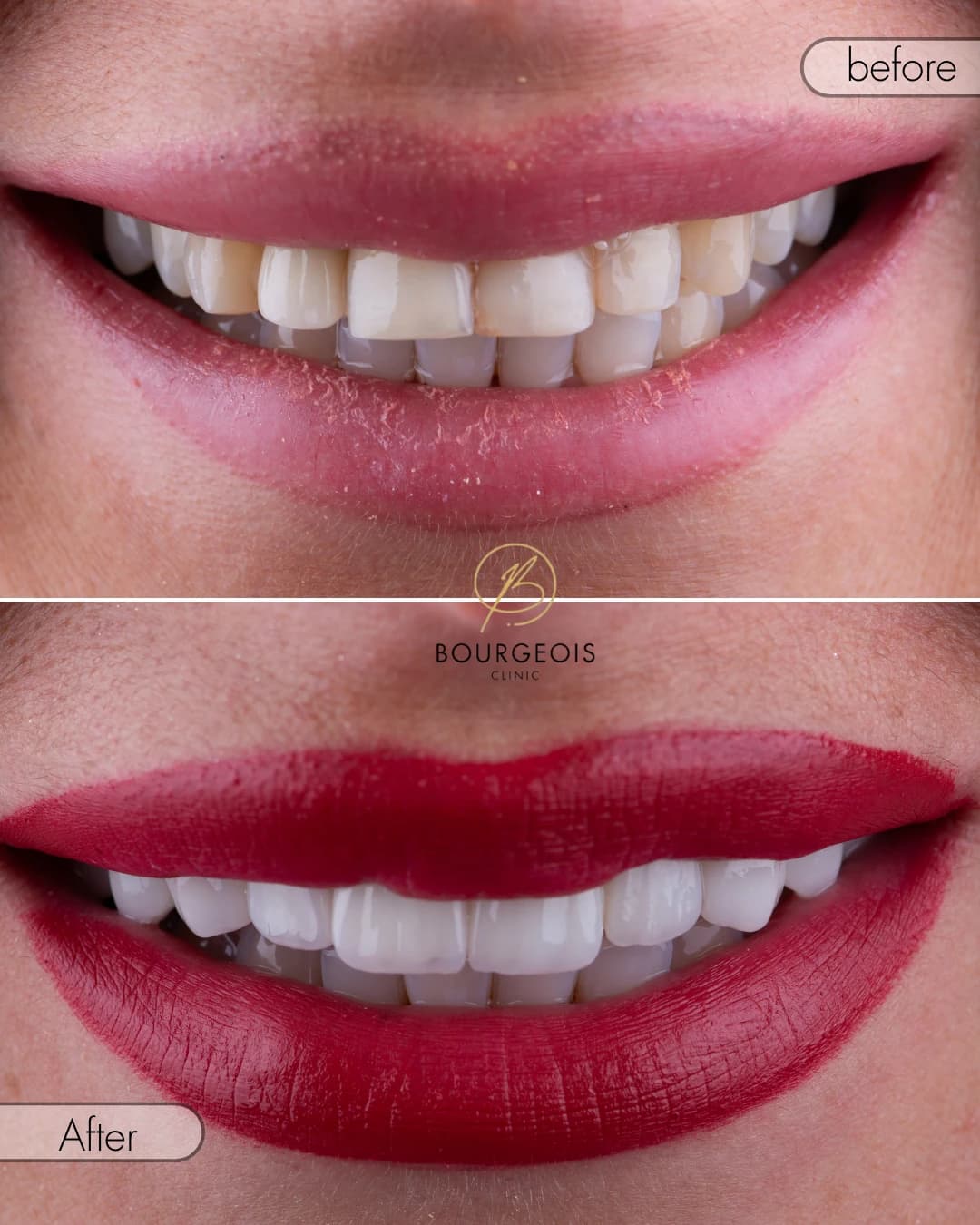
Front teeth mainly cut food and may retain more structure after treatment. If the access is small and the tooth has no large filling or fracture, a bonded filling may sometimes be sufficient. However, a crown or veneer-like restoration may be considered when there is extensive damage, severe discolouration, wear or a need for broader reinforcement.
Aesthetic goals should not lead automatically to aggressive preparation. Internal whitening, composite restoration or another conservative option may be discussed when clinically suitable.
Could an onlay be used instead of a crown?
Yes, selected back teeth may be suitable for an onlay that covers weakened cusps while preserving strong walls. Dental inlays and onlays are custom indirect restorations, and their suitability depends on enamel for bonding, margin position, crack pattern, bite and available space.
An onlay is not automatically better because it is smaller. If most walls are compromised or the tooth needs circumferential protection, a crown may be more predictable.
When may a crown be recommended?
- A large portion of the tooth is missing.
- One or more cusps are thin, fractured or undermined.
- A large existing filling occupies much of the tooth.
- The tooth carries heavy chewing or grinding forces.
- A crack requires broad coverage and the tooth remains restorable.
- The tooth is being used as part of a bridge or rehabilitation plan.
- Previous restoration failure suggests that more protection is needed.
Dental crowns in Dubai can be made from different materials and designs. Selection depends on strength, appearance, remaining tooth structure, bite and restorative space.
When might a filling be enough?
A bonded filling may be sufficient for a selected tooth with limited access, strong remaining walls, no significant crack and manageable bite forces. This is more common in front teeth but may apply to some other situations after assessment.
Choosing a filling simply to avoid a crown is not conservative if the tooth then fractures. Equally, placing a crown when a smaller restoration would predictably protect the tooth removes unnecessary structure. The goal is appropriate coverage.
Why does the remaining tooth above the gumline matter?
A restorative plan needs enough sound tooth structure to support and retain the final restoration. Dentists may describe a surrounding band of healthy structure as a ferrule. Its height, thickness and continuity can influence resistance to functional forces. If very little structure remains, additional procedures or a different prognosis may need to be discussed.
A post inside a root canal does not replace missing external tooth structure or guarantee strength. Posts are used mainly to help retain a core when indicated, and they also require sufficient root dimensions and careful planning.
How soon should the final restoration be placed?
Timing depends on symptoms, endodontic healing, tooth stability and the temporary seal. Some teeth can receive definitive restoration soon after root canal treatment, while others need review before the final step. The dentist should explain what can safely be chewed and how long the temporary phase is expected to last.
A temporary filling is not designed as permanent protection. If it breaks or becomes loose, contact the clinic promptly because leakage or tooth fracture can compromise treatment.
What if the tooth still hurts after treatment?
Mild tenderness can occur temporarily, but persistent or increasing pain, swelling, drainage, a high bite or new biting pain needs assessment. Possible causes include inflammation around the root, an untreated canal, fracture, restoration problems or another nearby tooth.
A crown should not be used to hide unexplained symptoms. Endodontic and restorative diagnosis should be coordinated before definitive coverage.
Can a crown guarantee the tooth will not break?
No. A crown can reduce certain structural risks but cannot prevent every root fracture, recurrent decay, gum problem or restoration failure. The prognosis also depends on the root, bone support, crack depth and quality of the root canal and final seal.
Daily hygiene, cleaning between teeth, regular review and controlling heavy bite forces remain important. Patients who grind may be advised to use a custom night guard.
Planning the final restoration with Dr. Nour
Dr. Nour can review how much tooth remains, the condition of the temporary restoration, the bite and the aesthetic requirements. She can explain whether a filling, onlay or crown is being considered and coordinate care through the clinic’s endodontics department and restorative dentistry department when needed.
Book a post-root-canal restoration assessment
If a root-canal-treated tooth still has a temporary filling or has developed biting pain, avoid delaying review. Book a dental appointment for an individual assessment and final-restoration plan.