


Preventive Dental Consultation
- 1Specialist
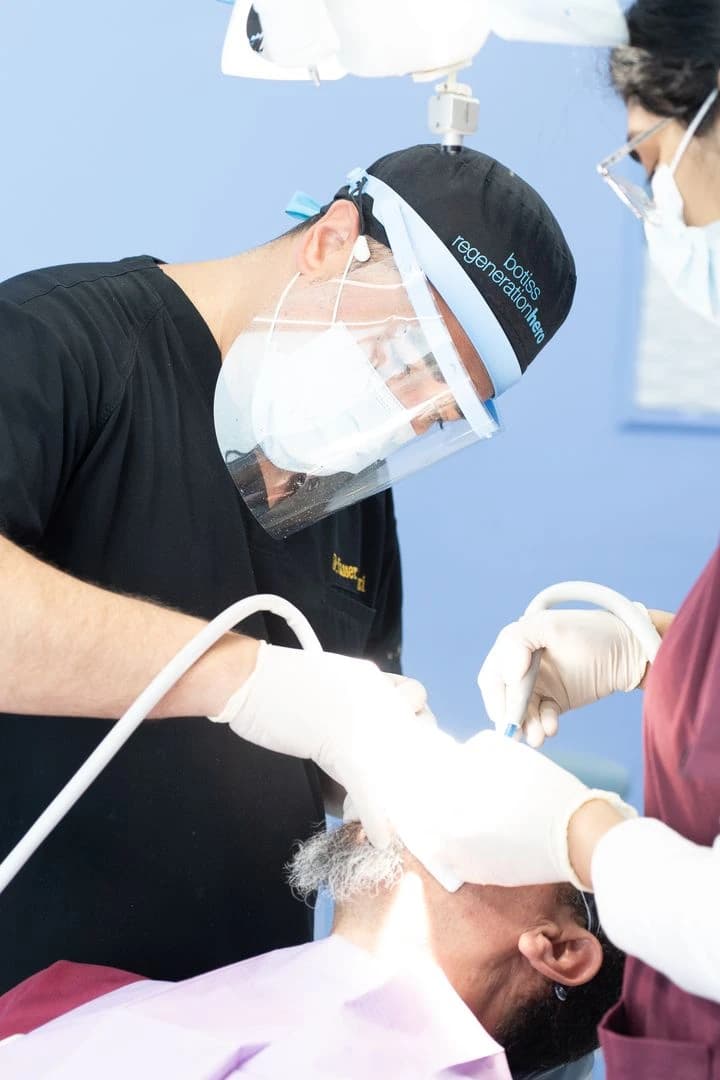
A preventive dental consultation evaluates the factors that may increase the risk of tooth decay, gum disease, enamel damage, bad breath, restoration failure, and avoidable dental emergencies. The consultation creates a personalised plan for examinations, professional cleaning, fluoride support, oral-hygiene techniques, dietary habits, and future maintenance.
At Bourgeois Dental Clinic in Dubai, recommendations are based on the patient’s medical history, previous cavities, gum condition, dry-mouth symptoms, diet, fluoride exposure, smoking, dental restorations, implants, orthodontic appliances, oral-hygiene ability, and previous dental treatment.
Who May Benefit From a Preventive Consultation?
A preventive assessment may be useful for patients who:
- Want to maintain healthy teeth and gums
- Develop cavities repeatedly
- Have bleeding, swollen, or sensitive gums
- Have not attended a dental examination recently
- Experience frequent plaque or calculus accumulation
- Have dry mouth
- Wear braces or clear aligners
- Have crowns, bridges, veneers, implants, or dentures
- Frequently consume sugary or acidic foods and drinks
- Smoke or use tobacco products
- Have difficulty brushing or cleaning between teeth
- Want a personalised dental-maintenance plan
What Happens During the Consultation?
- Medical-history review: Discussing medical conditions, medication, allergies, pregnancy where relevant, smoking, and factors that may affect oral health.
- Dental-history review: Reviewing previous cavities, gum treatment, root canals, extractions, orthodontics, restorations, and dental anxiety.
- Teeth examination: Checking decay, cracks, wear, sensitivity, fillings, crowns, bridges, implants, and missing teeth.
- Gum assessment: Evaluating plaque, calculus, bleeding, inflammation, recession, mobility, and periodontal risk.
- Oral-hygiene review: Assessing brushing technique, interdental cleaning, toothpaste, mouthwash, and areas that are repeatedly missed.
- Dietary review: Discussing sugar frequency, acidic drinks, snacking, hydration, and habits that may affect enamel or decay risk.
- Imaging when indicated: Dental X-rays may be recommended when clinically justified and expected to provide diagnostic benefit.
- Preventive plan: Recommending checkup intervals, cleaning, fluoride, sealants, home care, and follow-up according to individual risk.
How Is Cavity Risk Evaluated?
The dentist may consider:
- Previous and current cavities
- Frequency of sugary foods and drinks
- Dry-mouth symptoms
- Fluoride exposure
- Tooth anatomy and deep grooves
- Braces or dental appliances
- Existing fillings and crowns
- Ability to brush and clean between teeth
- Selected medical conditions and medication
- Regularity of dental attendance
A higher-risk patient may require closer monitoring, professional fluoride support, more frequent cleaning, or additional home-care measures.
How Is Gum Health Evaluated?
The assessment may check:
- Bleeding during brushing or examination
- Gum redness or swelling
- Plaque and calculus
- Gum recession
- Periodontal pockets
- Tooth mobility
- Bone support when imaging is indicated
- Inflammation around dental implants
Early gum inflammation may improve with effective plaque control and professional care. Established periodontal disease may require a separate treatment plan.
Are Dental X-Rays Always Required?
No. Imaging is recommended only when it is expected to provide diagnostic information that cannot be obtained adequately through clinical examination alone.
The decision may depend on:
- Previous cavity experience
- Symptoms
- Age and dental development
- Existing restorations
- Gum and bone concerns
- Impacted or missing teeth
- Planned dental treatment
- Time since previous diagnostic imaging
Will the Consultation Include Teeth Cleaning?
The consultation focuses on assessment and prevention planning. A professional teeth-cleaning appointment may be completed during the same visit when appropriate, or scheduled separately depending on the amount of deposits, gum condition, time, and treatment needs.
Can Fluoride Treatment Be Recommended?
Professional fluoride treatment may be considered for patients with increased cavity risk, sensitive root surfaces, dry mouth, orthodontic appliances, repeated decay, or selected enamel concerns.
Fluoride supports enamel resistance and remineralisation but does not replace fillings or other treatment when a cavity is already established.
Can Dental Sealants Be Used for Adults?
Dental sealants may be appropriate for selected adult teeth with deep, decay-prone pits and grooves.
Suitability depends on the tooth surface, existing decay, moisture control, bite, previous restorations, and ability to monitor the sealed area.
What Oral-Hygiene Advice May Be Provided?
Guidance may cover:
- Manual or powered toothbrush use
- Brushing pressure and technique
- Fluoride toothpaste
- Dental floss and floss holders
- Interdental brushes
- Cleaning beneath bridges
- Cleaning around implants
- Care of braces and aligners
- Denture and appliance hygiene
- Management of difficult-to-reach areas
Visit oral-hygiene instruction for personalised guidance based on your teeth, gum condition, restorations, and dexterity.
How Often Should Preventive Visits Be Scheduled?
There is no single interval suitable for every patient. The recommended schedule depends on:
- Cavity risk
- Gum health
- Plaque and calculus accumulation
- Implants or extensive restorations
- Braces or aligners
- Dry mouth
- Smoking
- Medical conditions
- Home-care effectiveness
- Previous dental disease
The interval may change as oral health and risk factors change.
What Are the Limitations of Preventive Care?
Preventive care can reduce risk but cannot guarantee that cavities, gum disease, fractures, tooth wear, or restoration problems will never occur.
Some conditions are influenced by anatomy, genetics, medical health, medication, diet, habits, saliva, previous dental treatment, and access to effective daily cleaning.
When Is an Urgent Appointment Needed?
A preventive consultation is not a substitute for urgent care when there is:
- Severe or persistent tooth pain
- Facial or gum swelling
- Pus or a dental abscess
- Dental trauma
- A broken or displaced tooth
- Uncontrolled bleeding
- A loose crown, bridge, implant component, or denture
- Difficulty chewing because of pain
Difficulty breathing or swallowing, rapidly spreading facial or neck swelling, swelling around the eye, uncontrolled heavy bleeding, severe weakness, or significant deterioration requires urgent medical care.
Preventive Dental Consultation on Sheikh Zayed Road
Bourgeois Dental Clinic is located on the first floor of Indigo Sky Building, Sheikh Zayed Road, Exit 41, near Al Thanya Street in Dubai. The clinic is accessible from Al Barsha, Umm Al Sheif, Umm Suqeim, Jumeirah, Al Quoz, Barsha Heights, The Greens, Dubai Marina, and nearby communities.
Book a preventive dental consultation for cavity-risk assessment, gum screening, oral-hygiene guidance, fluoride planning, professional cleaning recommendations, or a personalised dental-recall schedule.
Department
Preventive Dentistry & Oral Hygiene
Related Doctors

FAQ
Frequently Asked Questions
BOOK AN
Appointment
Working Hours
We are here to serve you