


Worn Teeth Rehabilitation
- 3Specialists
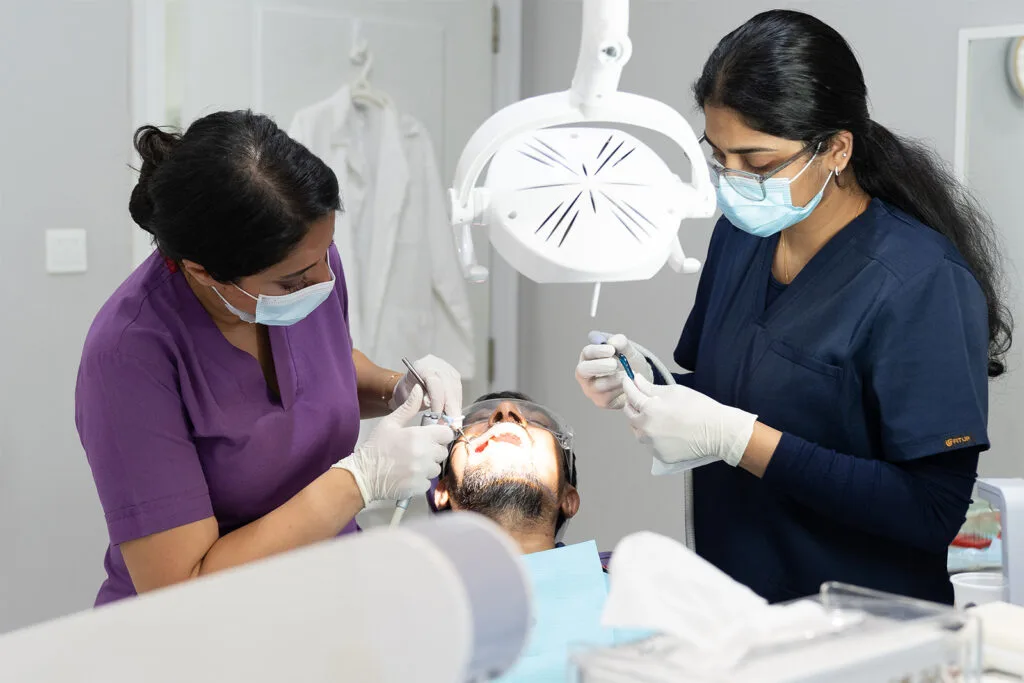
Worn teeth rehabilitation is a personalized restorative plan for teeth affected by grinding, clenching, acid erosion, aggressive brushing, bite problems, or long-term functional wear. At Bourgeois Dental Clinic in Dubai, treatment begins by identifying the cause of wear before rebuilding the damaged teeth.
What Is Tooth Wear?
Tooth wear is the gradual loss of enamel and, in more advanced cases, dentine. It can affect one tooth, several teeth, or most of the mouth.
Some wear develops slowly with age, while other cases progress more quickly because of grinding, dietary acids, medical conditions, missing teeth, or an unstable bite.
What Causes Worn Teeth?
Common causes include:
- Teeth grinding or clenching
- Acidic foods and drinks
- Frequent citrus, soft drinks, or energy drinks
- Acid reflux or recurrent vomiting
- Aggressive toothbrushing
- Abrasive oral-care products
- Missing teeth that change bite forces
- Misaligned teeth or bite problems
- Long-term chewing habits
- Nail biting or biting hard objects
- Age-related functional wear
- Dry mouth that reduces natural protection
What Are the Signs of Tooth Wear?
Possible signs include:
- Flattened or shortened teeth
- Uneven or chipped tooth edges
- Yellowing caused by exposed dentine
- Increased tooth sensitivity
- Small cracks or fractures
- Sharp edges
- Changes in the bite
- Reduced tooth height
- Jaw muscle fatigue
- Repeated failure of fillings or bonding
- Difficulty chewing certain foods
- Changes in smile appearance
Why Should Worn Teeth Be Assessed?
Progressive tooth wear can reduce enamel thickness, expose dentine, increase sensitivity, weaken tooth edges, affect the bite, and make future restoration more complex.
Assessment is important because restoring the teeth without controlling the cause may lead to repeated chipping, wear, or failure.
What Happens During a Worn-Teeth Consultation?
The dentist asks about grinding, jaw symptoms, diet, reflux, medications, oral habits, previous restorations, sensitivity, and changes in tooth appearance.
The assessment may include:
- Wear-pattern analysis: Identifying which teeth and surfaces are affected.
- Bite examination: Reviewing tooth contacts, jaw movement, and available restorative space.
- Grinding assessment: Checking for flattened edges, cracks, muscle tenderness, and restoration damage.
- Acid-exposure assessment: Discussing dietary, digestive, or medical factors that may contribute to erosion.
- Tooth-structure assessment: Measuring remaining enamel and dentine and checking for cracks or decay.
- Gum assessment: Reviewing recession, exposed roots, inflammation, and periodontal health.
- Diagnostic records: Photographs, digital scans, bite records, models, and dental X-rays may be recommended.
- Treatment planning: Comparing preventive, conservative, orthodontic, and restorative options.
What Is the Difference Between Grinding and Acid Erosion?
Grinding commonly creates flattened surfaces, sharp wear facets, cracks, and damage where opposing teeth contact.
Acid erosion softens and dissolves tooth structure, often creating smooth, shallow, or cupped surfaces. Both processes may occur together and accelerate damage.
How Are Worn Teeth Treated?
Treatment depends on the cause, severity, symptoms, remaining tooth structure, bite, and number of affected teeth.
Possible options include:
- Dietary and oral-habit changes
- Management of reflux or medical causes with an appropriate healthcare professional
- Fluoride and sensitivity treatment
- Composite bonding
- Tooth-coloured fillings
- Inlays and onlays
- Dental crowns
- Veneers in selected cosmetic areas
- Orthodontic treatment
- Replacement of missing teeth
- Custom night guards
- Full-mouth rehabilitation for advanced cases
Can Composite Bonding Restore Worn Teeth?
Composite bonding may be used to rebuild selected worn edges, restore tooth length, improve shape, or test changes in the bite.
It can be a conservative option because material is added directly to the tooth. However, bonding may chip, wear, stain, or require maintenance, particularly when grinding continues.
When Are Inlays, Onlays, or Crowns Used?
Inlays and onlays may restore selected back teeth when one or more cusps require coverage while sufficient healthy tooth structure remains.
Crowns may be considered when teeth are extensively worn, structurally weakened, heavily restored, cracked, or unable to support a more conservative restoration.
Can Veneers Be Used for Worn Front Teeth?
Veneers may be considered for selected front teeth when appearance, shape, colour, and proportions require improvement.
They are not suitable for every worn tooth. The dentist must assess enamel, bite forces, grinding, tooth position, and whether bonding or orthodontics would be more conservative.
What Is Bite Rehabilitation?
When many teeth are worn, treatment may involve rebuilding the bite at a planned height and position. This process requires careful records, testing, and staged treatment.
The dentist may use temporary restorations, composite additions, bite records, or trial changes before completing final crowns, onlays, or other restorations.
Can Lost Tooth Height Be Restored?
Selected cases may allow restoration of lost tooth height and visible tooth length. The amount of change must be planned according to jaw movement, speech, muscle comfort, tooth structure, and restorative space.
Increasing the bite without sufficient planning can cause discomfort, restoration damage, or functional problems.
How Is Grinding Managed?
Grinding management may involve:
- Identifying triggers and contributing habits
- Reviewing stress, sleep, medications, and jaw symptoms
- Using a custom night guard when appropriate
- Adjusting selected bite interferences when clinically justified
- Monitoring tooth and restoration wear
- Restoring damaged teeth only after assessing the bite
A night guard may protect teeth and restorations but does not necessarily stop the grinding habit itself.
Can Acid-Damaged Teeth Be Restored?
Yes, selected teeth can be restored after the source of acid exposure is identified and controlled as much as possible.
If reflux, vomiting, or another medical condition is suspected, appropriate medical assessment may be recommended before or alongside dental treatment.
How Long Does Worn-Teeth Rehabilitation Take?
The timeline depends on the number of affected teeth and the complexity of treatment. Minor cases may involve preventive care and bonding, while advanced cases may require several diagnostic, provisional, restorative, and maintenance stages.
How Long Do the Results Last?
Longevity depends on the cause of wear, selected materials, bite, grinding, diet, acid exposure, oral hygiene, and maintenance.
Restorations may require polishing, repair, replacement, or adjustment over time. Continued wear can affect both natural teeth and restorative materials.
How to Protect Worn or Restored Teeth
- Reduce frequent acidic foods and drinks
- Avoid brushing immediately after acid exposure
- Use fluoride toothpaste
- Follow sensitivity-care recommendations
- Avoid biting hard objects
- Manage grinding and clenching
- Wear a night guard when recommended
- Attend regular dental reviews
- Maintain professional cleaning appointments
- Seek assessment if restorations chip or the bite changes
Worn Teeth Rehabilitation on Sheikh Zayed Road
Bourgeois Dental Clinic is located on the first floor of Indigo Sky Building, Sheikh Zayed Road, Exit 41, near Al Thanya Street in Dubai. The clinic is convenient for patients from Al Barsha, Umm Al Sheif, Umm Suqeim, Jumeirah, Al Quoz, Barsha Heights, The Greens, Dubai Marina, and nearby areas.
Book a worn-teeth assessment to identify the cause of tooth wear and discuss preventive, conservative, and restorative treatment options.
Department
Restorative Dentistry
Related Doctors



FAQ
Frequently Asked Questions
BOOK AN
Appointment
Working Hours
We are here to serve you