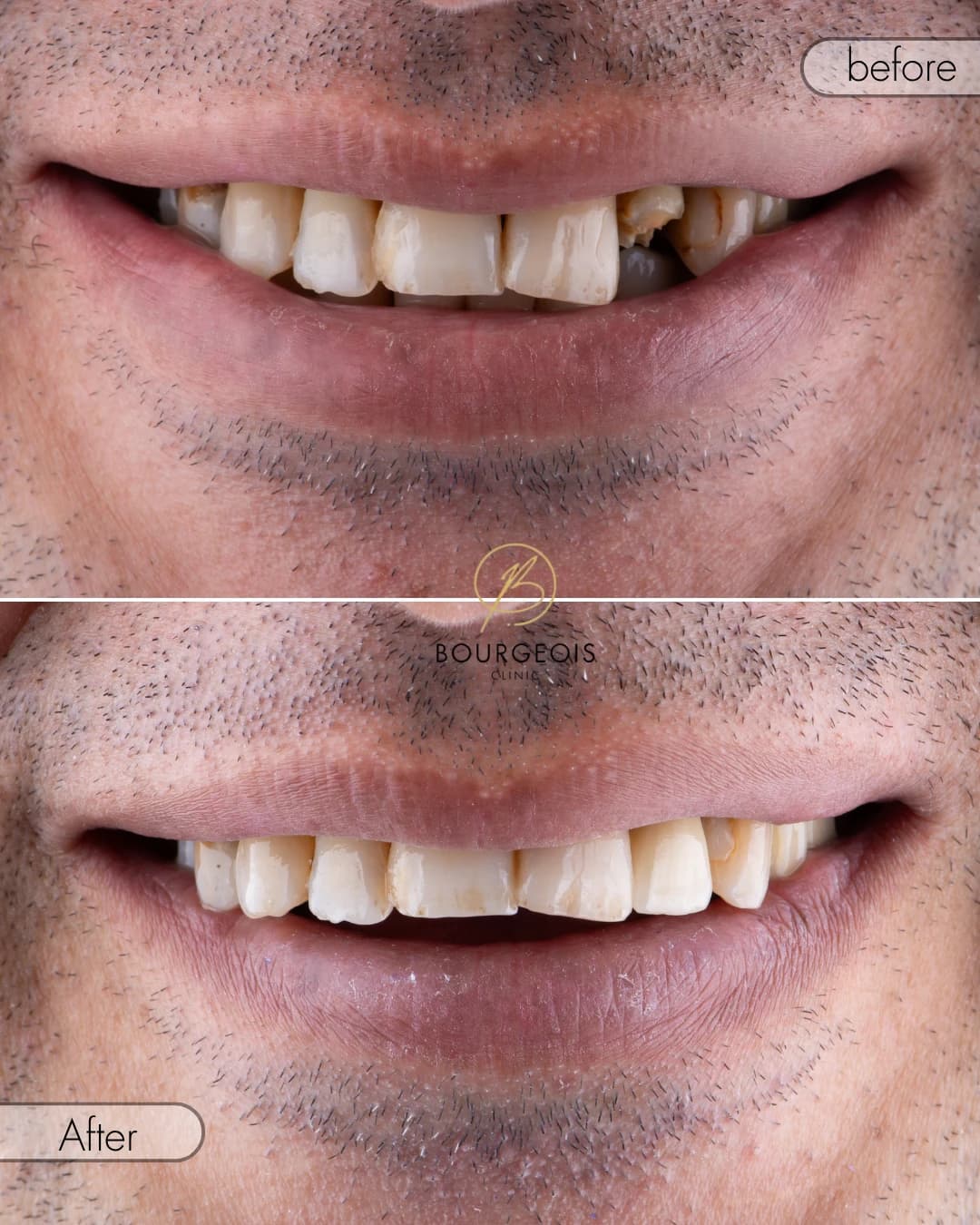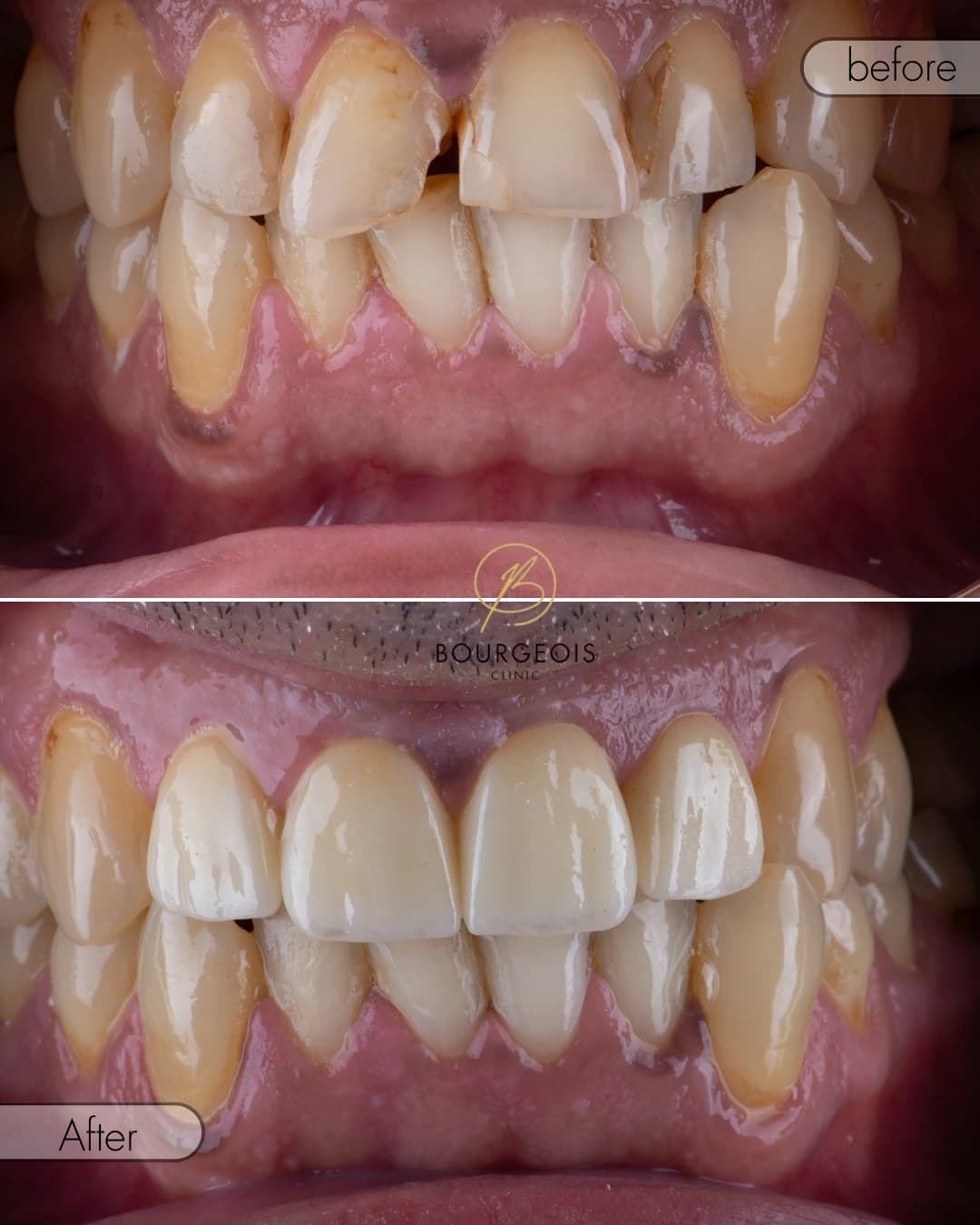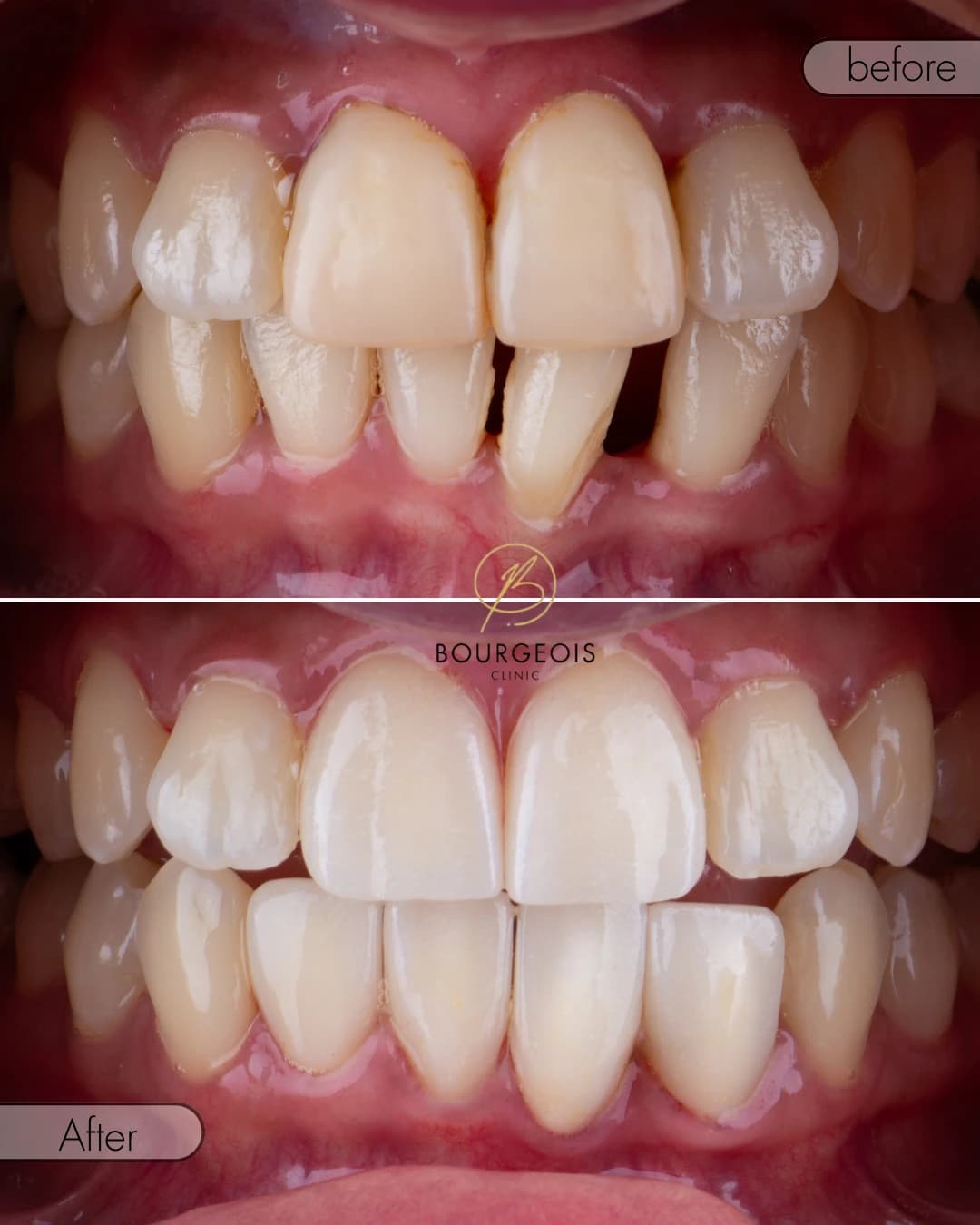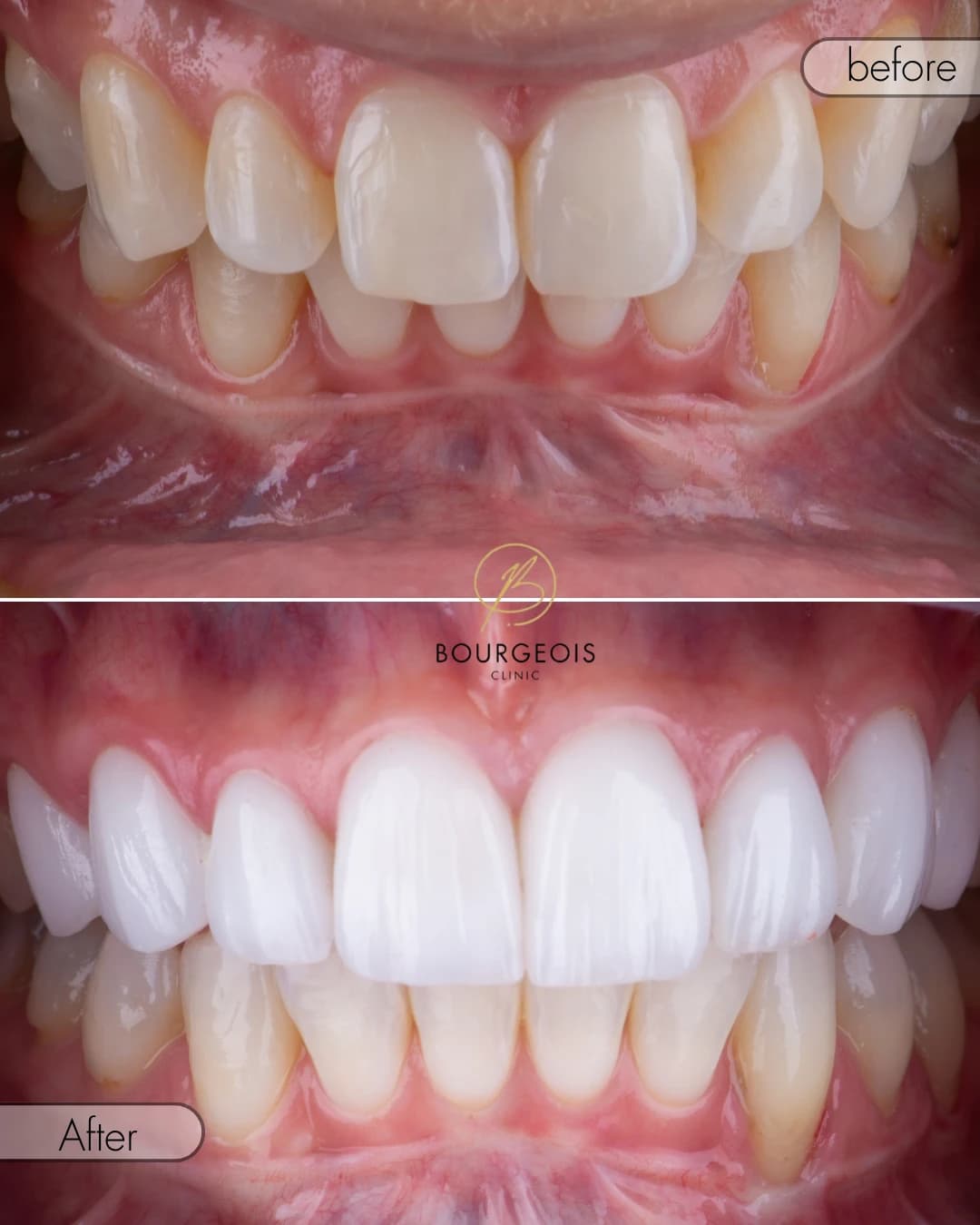



Looking for the Best Invisalign Dentist in Dubai? Meet Dr. Nour

Meet Dr. Nour, Invisalign Provider at Bourgeois Dental Clinic, and understand the complete clear-aligner journey—from diagnosis and digital planning to refinements and long-term retention.
Searching for the best Invisalign dentist in Dubai is not simply about finding the clearest trays or the shortest advertised timeline. Invisalign treatment moves teeth through a planned series of custom clear aligners, but the quality of the result depends on diagnosis, case selection, treatment design, clinical monitoring and the patient’s commitment to wearing the aligners.
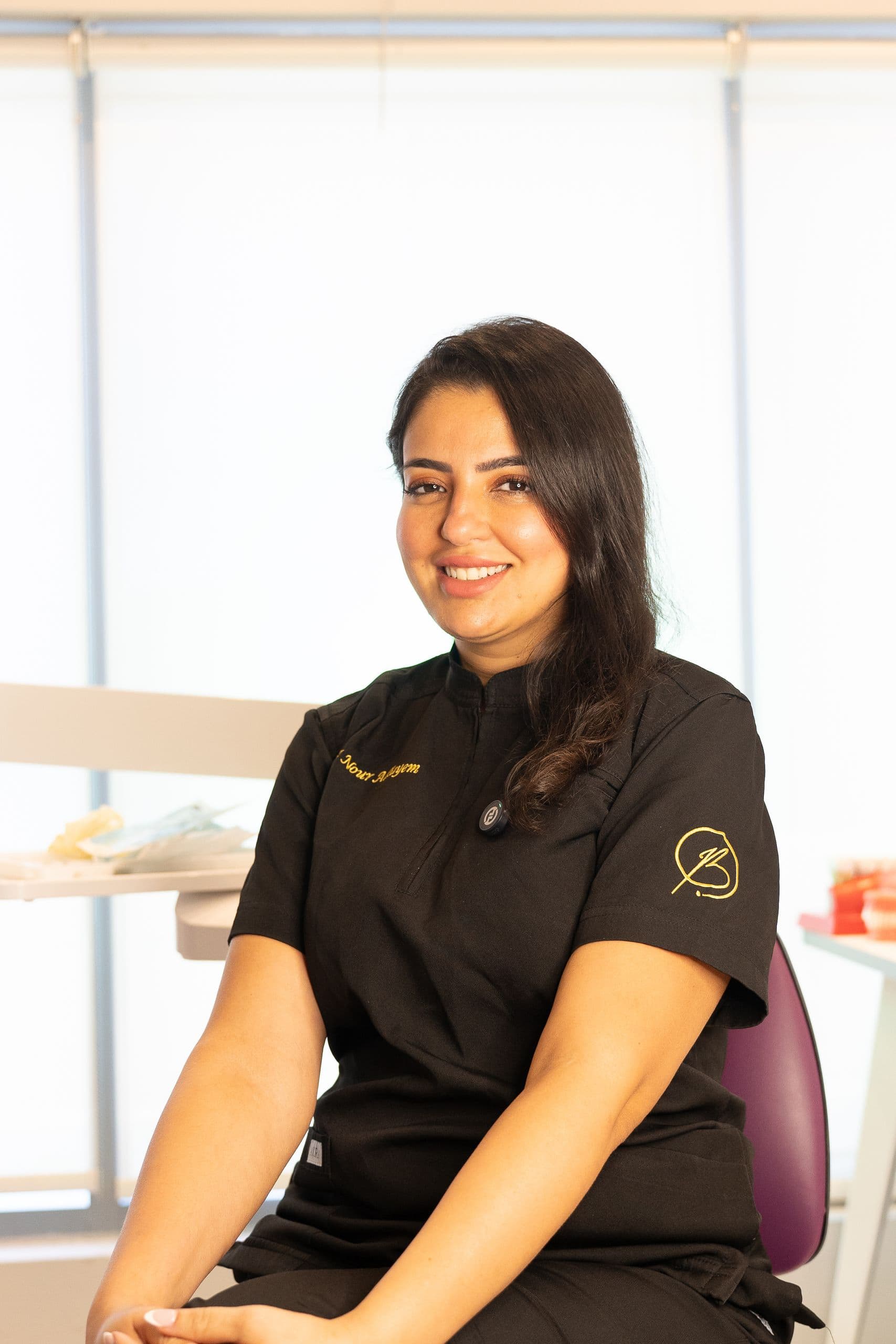
At Bourgeois Dental Clinic, Dr. Nour Al-Kayem is the clinic’s CEO, Founder and Lead Dentist, and the clinic currently identifies her as a Dental Surgeon and Invisalign Provider. Patients with complex bite or jaw concerns can also be assessed within the clinic’s multidisciplinary team, including Dr. Samer Hassoun, Specialist Orthodontist.
Quick Answer: Is Dr. Nour an Invisalign Provider in Dubai?
Yes. Bourgeois Dental Clinic presents Dr. Nour as a Dental Surgeon and Invisalign Provider. An appointment with her can begin with an examination of the teeth, gums, bite and smile goals to determine whether Invisalign or another approach may be suitable. The word “best” should describe the fit between the provider, the diagnosis and the patient’s needs; it is not a universal clinical ranking.
Why the Provider Matters More Than the Aligner Brand
Clear aligners are the appliance. The clinician is responsible for deciding whether the proposed movements are appropriate, identifying dental or gum problems before treatment, designing the sequence, reviewing progress and responding when teeth do not track as expected.
Two patients may both want straighter front teeth but require very different plans. One may have mild spacing and healthy gums. Another may have crowding, worn teeth, gum recession, missing teeth or a bite problem that affects function. A responsible provider looks beyond the visible front teeth and considers the whole mouth.
Meet Dr. Nour Al-Kayem
Dr. Nour Al-Kayem earned her Doctor of Dental Surgery degree in 2005 and leads Bourgeois Dental Clinic in Dubai. Her published clinical scope includes general dentistry, aesthetic dentistry, prosthetic rehabilitation and dental care for children. This broad restorative perspective can be relevant when tooth alignment is being planned alongside fillings, crowns, veneers, worn teeth or a wider smile rehabilitation.
The clinic identifies Dr. Nour as an Invisalign Provider, not as a Specialist Orthodontist. This distinction should remain clear. Invisalign may be provided by appropriately trained dentists or orthodontists, while cases involving complex tooth movement, significant skeletal discrepancy, impacted teeth, surgical orthodontics or other specialist needs may benefit from assessment by Dr. Samer or coordinated care.
Who May Be Suitable for Invisalign?
Clear aligners may be considered for selected adults and teenagers with spacing, crowding, rotated teeth, relapse after previous orthodontic treatment or certain bite concerns. Suitability cannot be confirmed from photographs alone. It depends on the health of the teeth and gums, the type and amount of movement required, root and bone considerations, age, growth, previous dental work and expected cooperation.
| Situation | What the consultation should establish |
|---|---|
| Mild spacing or crowding | Whether aligners can create a stable result without compromising the bite |
| Relapse after braces | Why movement occurred and what retention will be needed afterward |
| Crowns, veneers or implants | Which teeth can move and how the restorative plan affects the sequence |
| Gum recession or bone loss | Whether periodontal care or movement limits are required before treatment |
| Jaw or complex bite concern | Whether a Specialist Orthodontist should lead or co-manage the case |
| Teenage patient | Growth, eruption, maturity and ability to wear and protect the aligners |
When a Specialist Orthodontic Assessment May Be Better
Clear aligners can be used in many cases, but not every alignment problem is a simple cosmetic correction. Specialist input may be appropriate when there is a marked overbite, underbite, crossbite or open bite; a significant jaw discrepancy; impacted or missing teeth; severe crowding; previous unsuccessful treatment; facial asymmetry; cleft-related needs; or possible surgical orthodontics.
Within the Orthodontics, Braces and Clear Aligners Department, Dr. Samer provides specialist orthodontic care including braces and clear aligners. Referral or collaboration is a strength when it places the case with the clinician and treatment method best suited to its complexity.
Dentist or Orthodontist for Invisalign?
| Provider route | May be especially relevant when |
|---|---|
| Dr. Nour, Dental Surgeon and Invisalign Provider | Alignment needs to be considered with general, aesthetic or restorative dental care |
| Dr. Samer, Specialist Orthodontist | The bite, jaws, tooth eruption or movement pattern requires specialist orthodontic assessment |
| Coordinated plan | The patient needs orthodontics plus veneers, crowns, implants or broader rehabilitation |
The correct route is determined after assessment. Choosing between a dentist and an orthodontist is not a competition between titles; it is a clinical decision based on the nature and complexity of the case.
What Happens at an Invisalign Consultation?
A proper orthodontic consultation in Dubai should begin with the patient’s concerns, health history, previous dental and orthodontic treatment, symptoms and expectations. The clinician then assesses the teeth, gums, restorations, bite, jaw relationship and smile.
Records may include photographs, a digital scan and radiographs selected according to clinical need. These records help the provider evaluate roots, bone, unerupted teeth and movements that cannot be judged from a surface scan alone. Any active decay, gum inflammation or other disease should be addressed before elective tooth movement begins.
Digital Smile Preview: Useful, but Not a Guarantee
Digital planning can illustrate a proposed sequence and help patients understand the intended direction of treatment. It is a communication and planning tool, not a promise that biology will follow an animation exactly.
Teeth may respond at different rates. Wear habits, gum and bone response, attachment performance, the complexity of movement and missed appointments can affect progress. The provider must compare the mouth with the plan and decide whether to continue, modify, rescan or use another technique.
What Invisalign Treatment May Include Beyond Clear Trays
Some patients expect aligners alone, but treatment may involve small tooth-coloured attachments bonded to selected teeth. These help the aligners apply forces for particular movements. Other plans may involve elastics, carefully prescribed enamel reduction between teeth, or additional aligner sets.
These elements are not signs that treatment has failed. They may be part of the original design or added after reassessment. The clinician should explain why each step is recommended, what alternatives exist and how it affects appearance, comfort, time and cost.
The Daily Commitment: Wear Time Changes the Outcome
Invisalign treatment is removable, which is convenient but places responsibility on the patient. Aligners are generally intended to be worn for most of the day and night, following the provider’s specific instructions. Removing them frequently or leaving them out for long periods can reduce tracking and prolong treatment.
- Remove aligners for meals and for drinks other than plain water unless instructed otherwise.
- Brush and clean between the teeth before reinserting them when practical.
- Keep aligners in their case rather than wrapping them in tissue.
- Clean them with the method recommended by the provider and avoid heat that can distort the material.
- Contact the clinic if an aligner is lost, cracked or no longer fits; do not guess whether to skip forward.
The clinic’s preventive care for braces and aligners can support oral hygiene and reduce avoidable problems during treatment.
What “Tracking” Means
An aligner is tracking when it fits the teeth as planned and the intended movements are progressing closely enough for the next stage. Visible gaps between the aligner and teeth, persistent rocking, an attachment that has detached, or a tray that suddenly feels wrong should be reported.
The answer is not always to move to the next aligner. The provider may ask the patient to wear the current set longer, check the attachments, improve seating, return for examination or complete a new scan. Early communication can prevent a small mismatch from affecting several later stages.
How Long Does Invisalign Take?
There is no single honest timeline for every patient. Duration depends on the starting problem, number and difficulty of movements, biological response, wear consistency, appointment attendance, refinements and the finishing standard.
A short cosmetic alignment and a comprehensive bite correction should not be advertised as if they are the same treatment. Ask for an estimated range and the assumptions behind it. The plan should also state whether the estimate includes possible refinements and the retention phase.
What Affects Invisalign Cost in Dubai?
Cost may vary according to case complexity, treatment scope, the selected aligner package, diagnostic records, number of aligners, refinements, appointments, additional procedures and retainers. A low headline price may not represent the final cost if records, attachments, rescans or retention are excluded.
Before accepting treatment, request a written quotation that explains:
- Which clear-aligner system and treatment package are included
- Whether the fee covers records, scans and clinically required radiographs
- How many review visits and refinement stages are included
- Whether attachments, elastics or enamel reduction are part of the plan
- What happens financially if treatment pauses or the patient relocates
- Which retainers and follow-up visits are included after alignment
Refinements Are Part of Finishing, Not a Perfectly Predicted Number
A refinement is an additional set of aligners produced after a new assessment or scan. It may be used when certain teeth have not moved as planned, when bite contacts need adjustment or when the clinician is completing details that were not fully achieved by the first series.
Patients should ask how refinements are handled before starting. An ethical plan does not guarantee that a case will need none, and it does not continue adding aligners without reviewing whether the objectives remain appropriate and achievable.
Retainers Protect the Result
Teeth can move after active orthodontic treatment. Orthodontic retainers help maintain the corrected positions while the provider monitors stability. Retention is a long-term responsibility, not an optional accessory at the end of treatment.
Ask which type of retainer is recommended, when and how long it should be worn, how it is cleaned, how often it should be reviewed and what to do if it becomes tight, damaged or lost. A clear retention plan is one of the strongest signs that the provider is thinking beyond the final aligner.
Questions to Ask Dr. Nour Before Starting Invisalign
- What is my complete diagnosis, including my bite?
- Why are clear aligners suitable for my case?
- Would specialist orthodontic input change the plan?
- Which results are realistic and which limitations should I expect?
- Will I need attachments, elastics or enamel reduction?
- How will you monitor whether my teeth are tracking?
- What happens if I cannot maintain the required wear routine?
- Does the fee include records, refinements and retainers?
- Will any fillings, gum care, whitening, veneers or crowns be timed around alignment?
- What is the long-term retention plan?
Warning Signs in Clear-Aligner Advertising
- Approval based only on selfies or a questionnaire
- A guaranteed result or exact timeline before examination and records
- No discussion of gum health, roots, bone or bite
- Marketing every case as suitable for aligners
- No named clinician responsible for monitoring treatment
- No explanation of attachments, refinements or retainers
- An unclear price that omits essential stages
- No referral pathway for complex orthodontic findings
Book an Invisalign Assessment with Dr. Nour
Bourgeois Dental Clinic is located on the first floor, Office No. 5, Indigo Sky Building, Sheikh Zayed Road, Exit 41, near Al Thanya Street in Dubai. It is accessible from Al Barsha, Umm Al Sheif, Umm Suqeim, Jumeirah, Al Quoz, Barsha Heights, The Greens, Dubai Marina and nearby communities.
Book an appointment with Dr. Nour to discuss Invisalign, clear aligners and your smile goals. Treatment suitability, the responsible provider, expected duration and cost are confirmed only after clinical assessment and appropriate records.
Editorial note: This article uses “best Invisalign dentist” as a patient search phrase and does not claim that one clinician is universally superior. Invisalign is a registered brand, and treatment outcomes vary according to diagnosis, biology, planning, monitoring and patient cooperation.