

Worn Teeth in Dubai: Causes, Bite Changes and Treatment Options
What does it mean when teeth are worn?
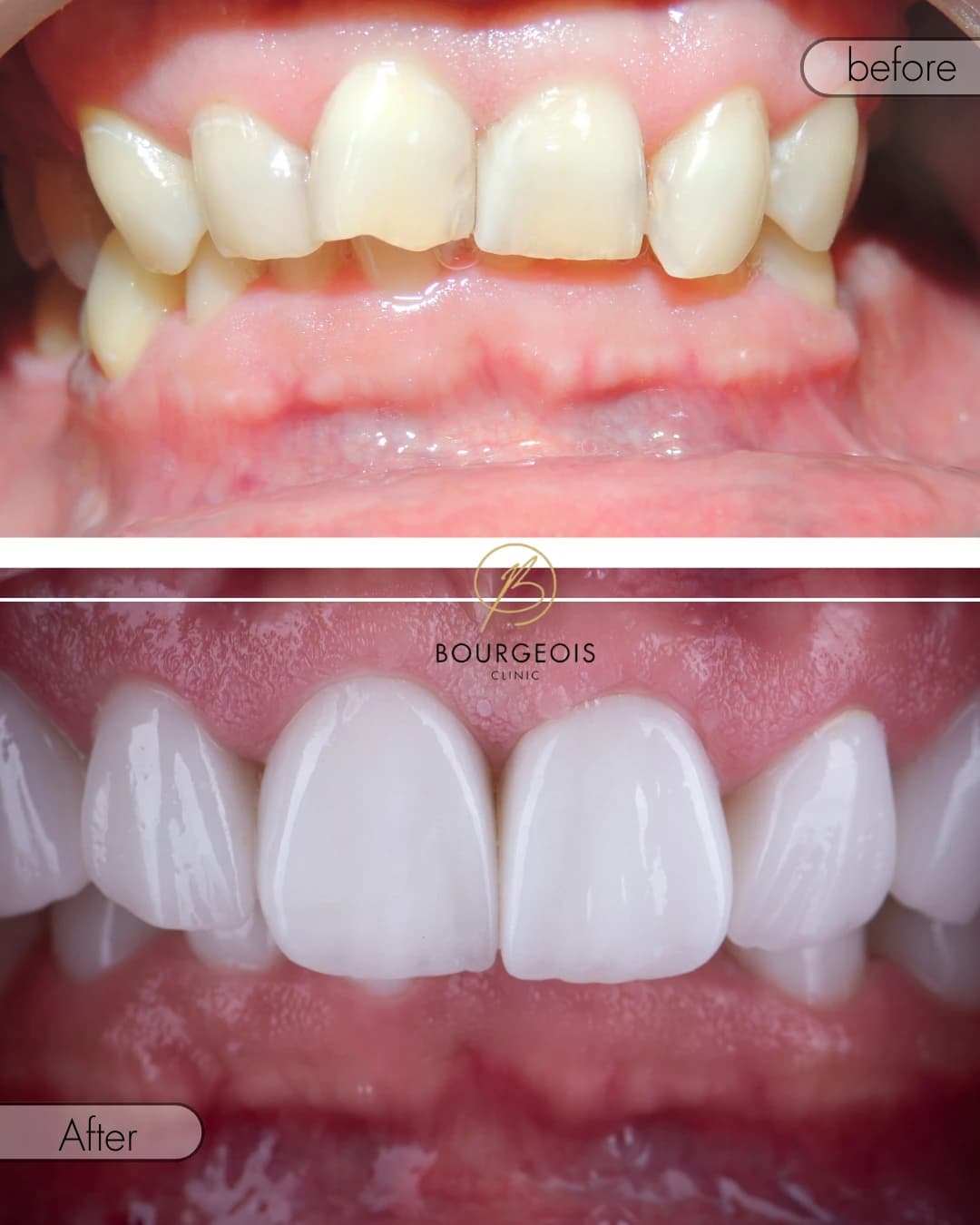
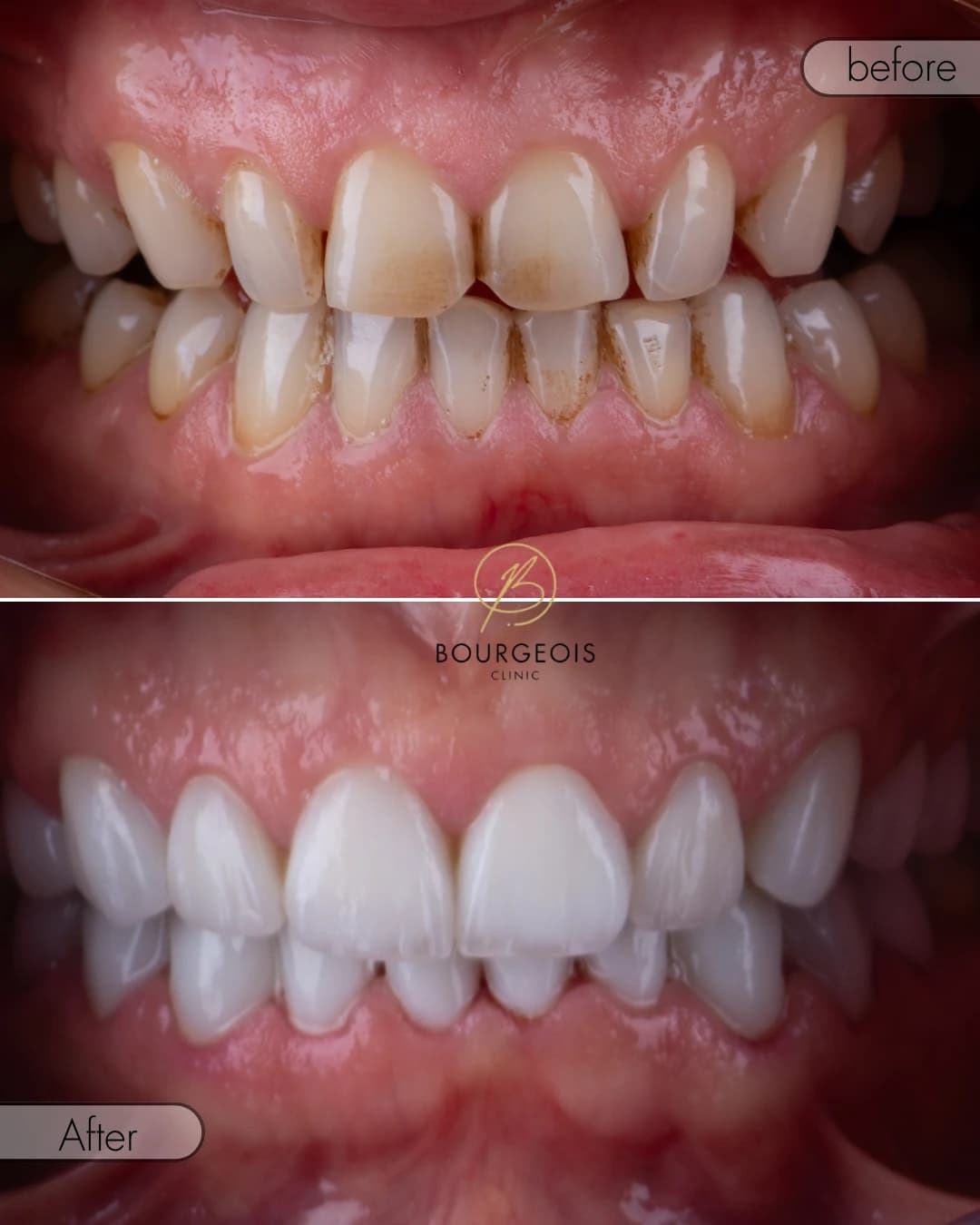
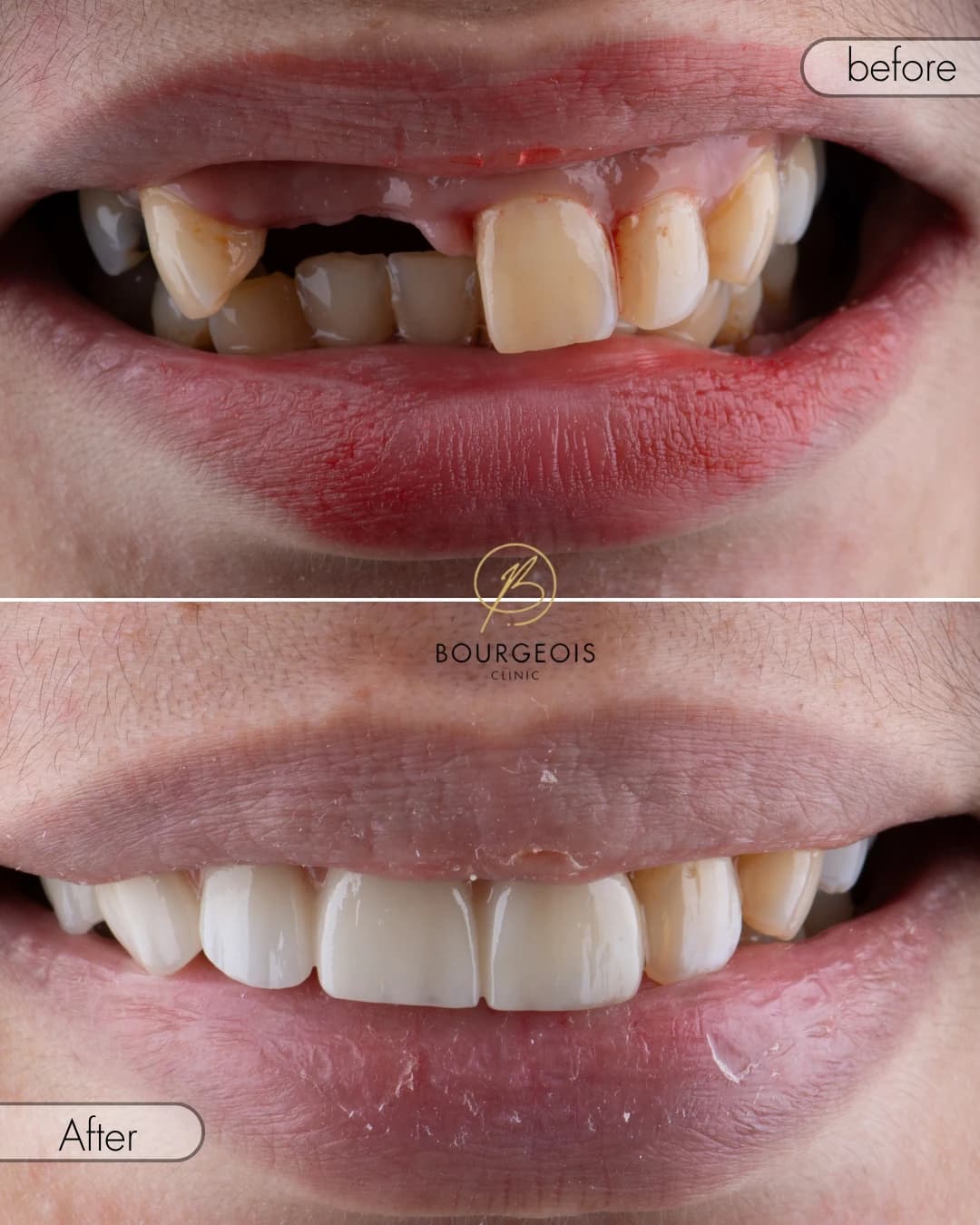
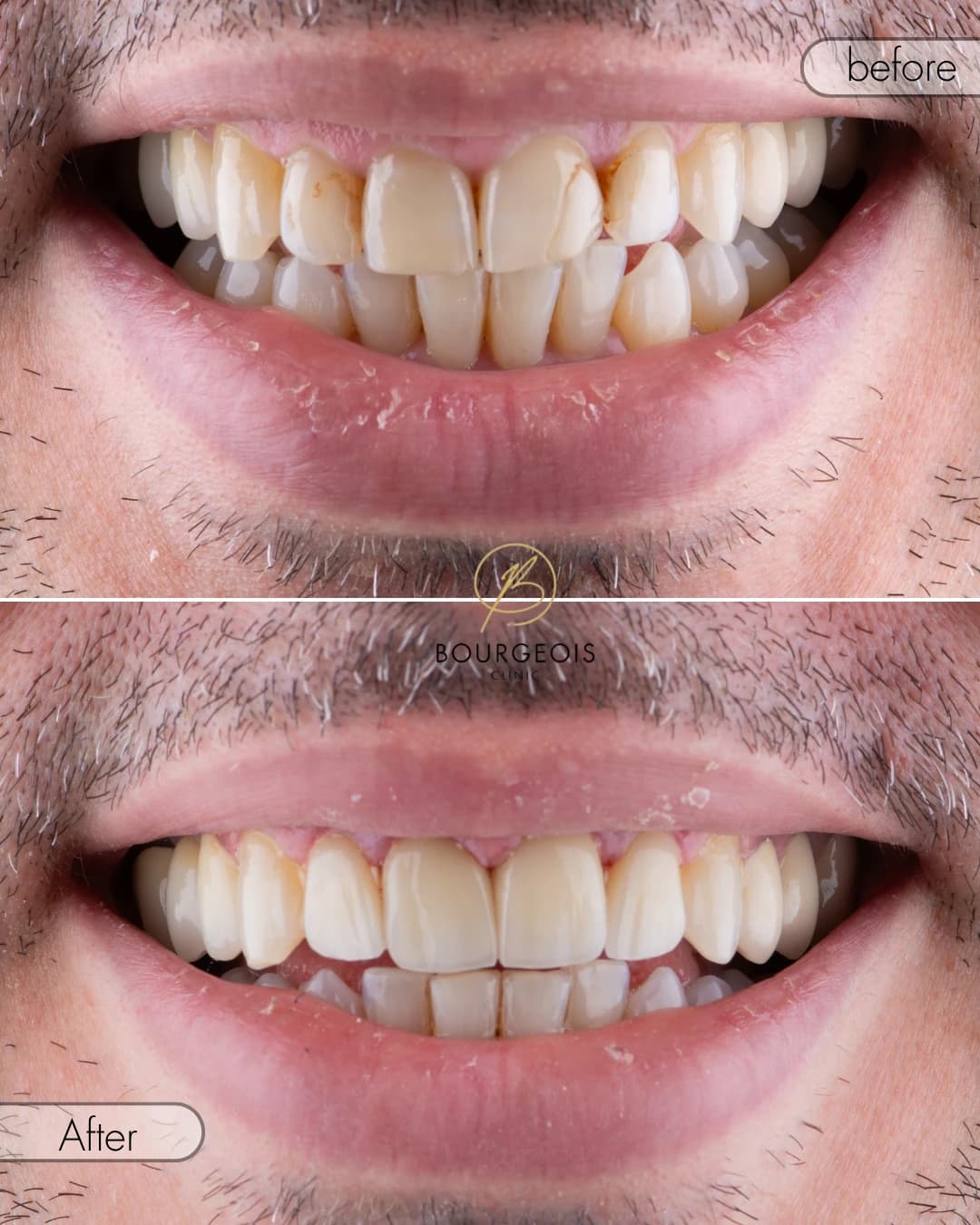
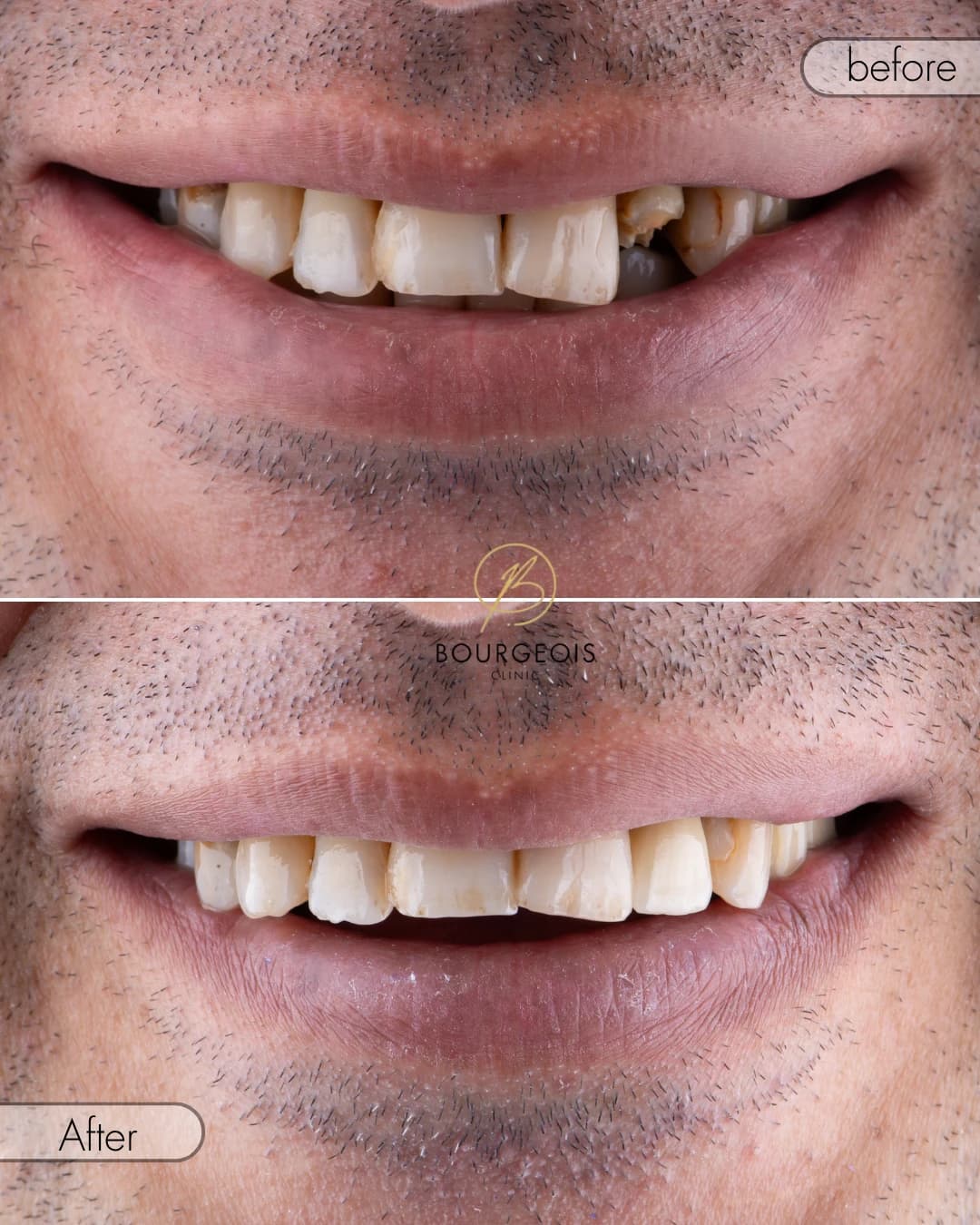
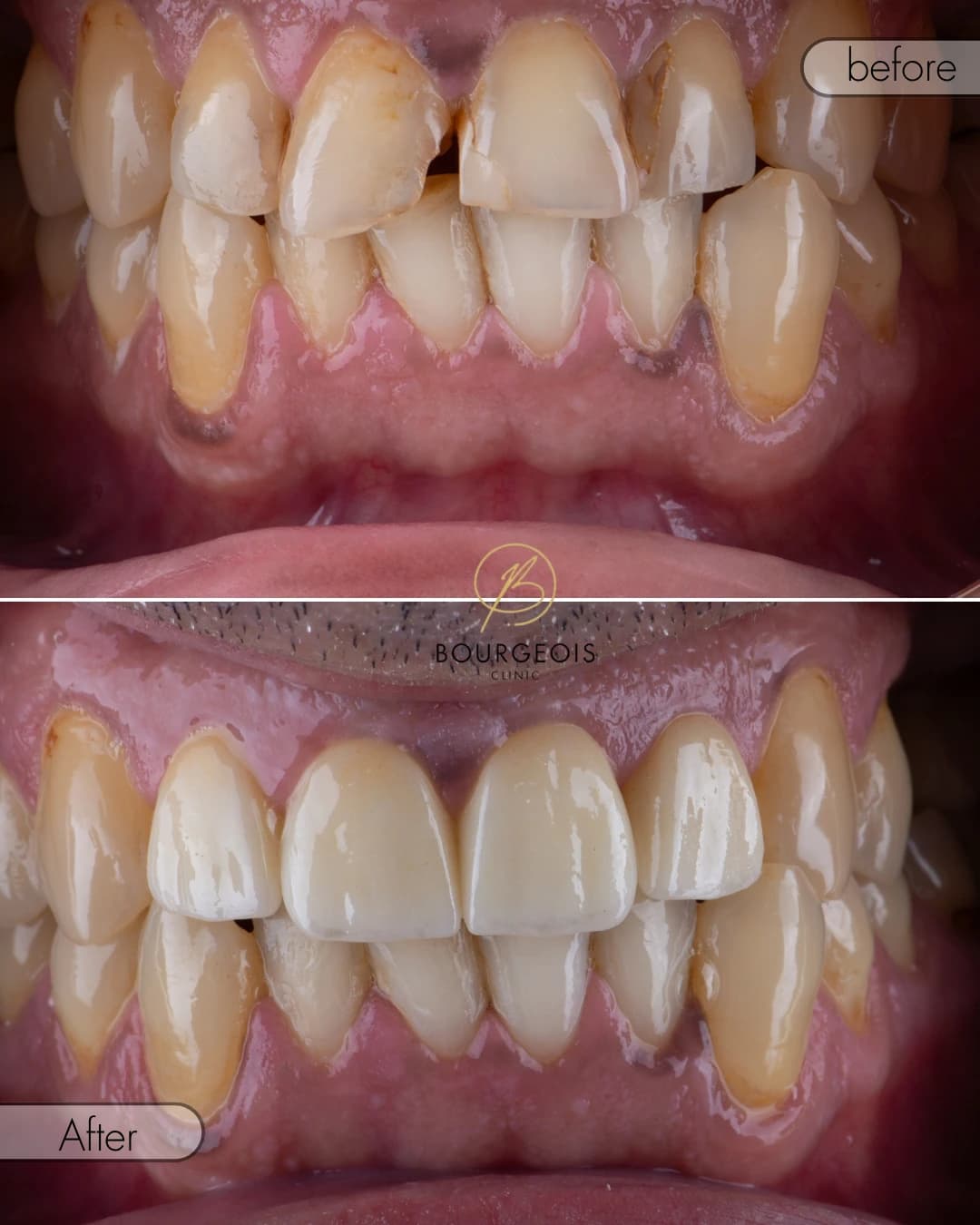
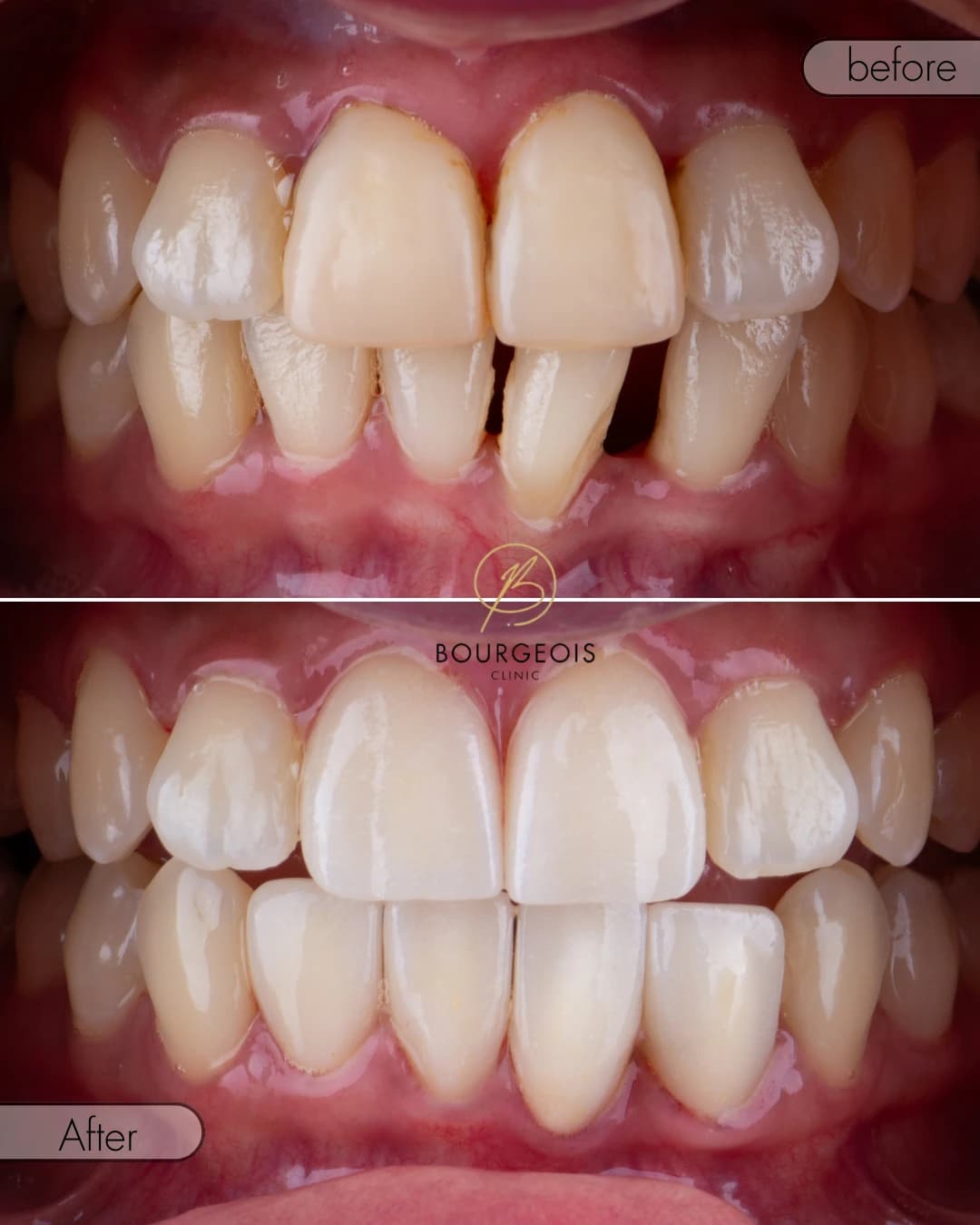
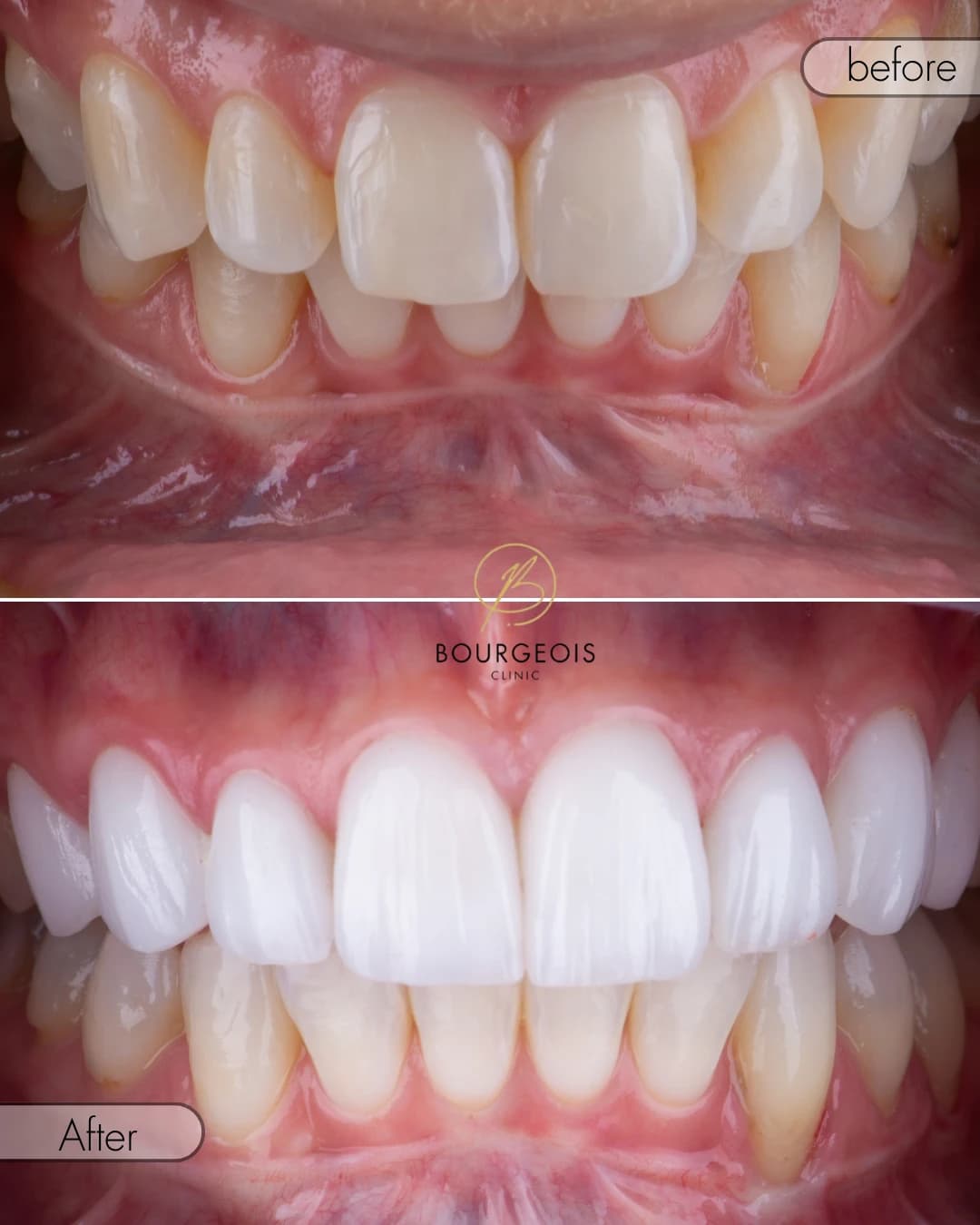
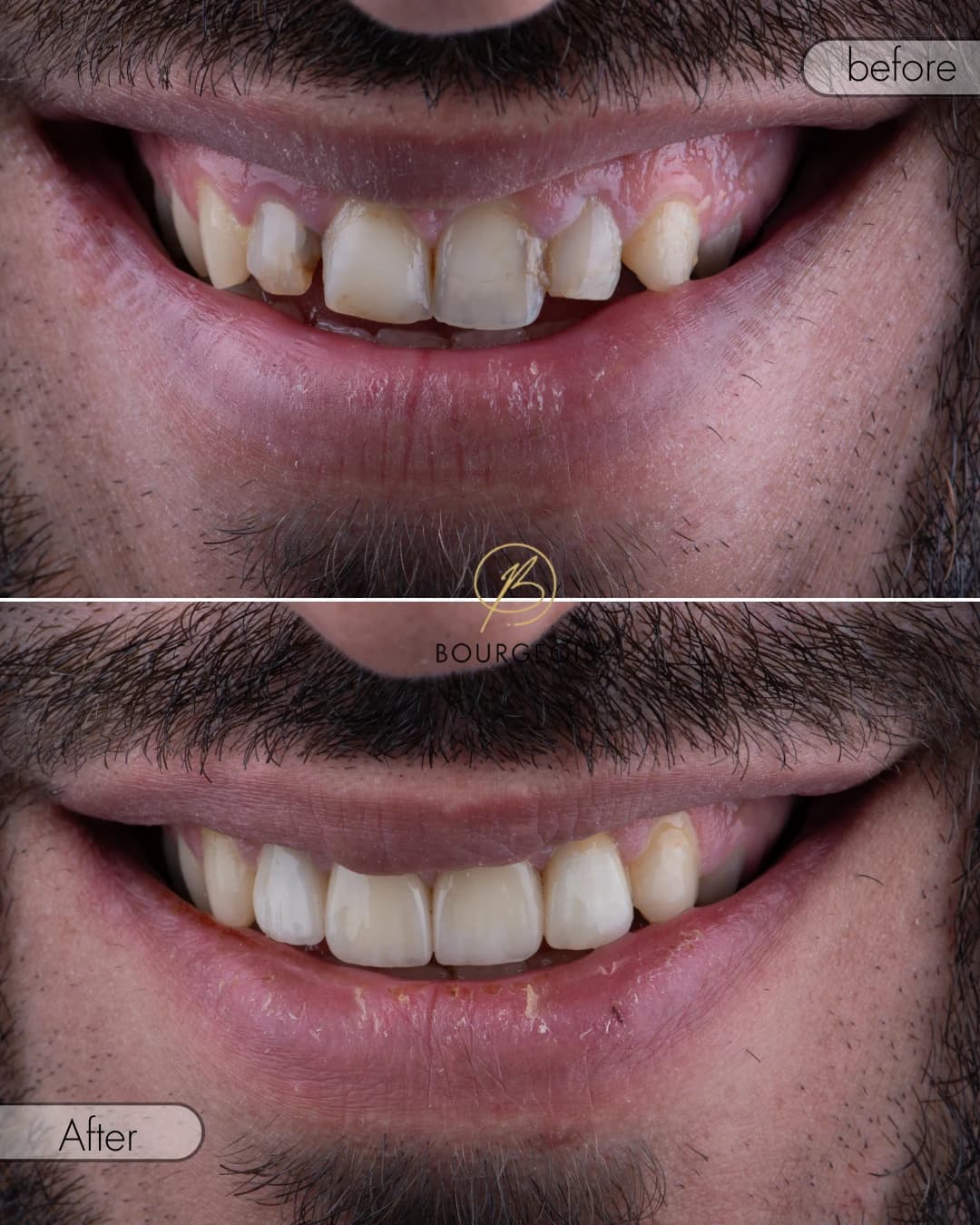
Tooth wear is the gradual loss of enamel and sometimes dentine from processes other than ordinary tooth decay. Teeth may become shorter, flatter, thinner at the edges, sensitive or more yellow as the underlying dentine becomes visible. Fillings, crowns and veneers can also show wear or fracture.
At Bourgeois Dental Clinic in Dubai, Dr. Nour can assess the pattern of wear, symptoms, bite and existing dental work, then coordinate preventive, restorative or multidisciplinary care.
The short answer
Worn teeth can result from grinding and clenching, dietary or gastric acid, abrasive habits, an unstable bite or several factors together. Treatment begins by identifying whether the wear is active. Mild stable wear may need monitoring and protection, while structural or functional loss may be treated with bonding, onlays, crowns or a planned full-mouth rehabilitation.
What are the main types of tooth wear?
Attrition
Attrition is tooth-to-tooth wear, often associated with grinding or clenching. Matching flat surfaces may appear where opposing teeth contact. The pattern can involve front edges, back chewing surfaces or both.
Erosion
Erosion is chemical softening and loss caused by acids that are not produced by bacteria. Sources may include acidic drinks, frequent citrus, reflux, vomiting or occupational exposure. Softened enamel can then wear more rapidly under brushing or grinding forces.
Abrasion
Abrasion is mechanical wear from an external habit or object. Aggressive brushing, abrasive products, holding objects between teeth or some oral habits can contribute. Many patients show a mixed pattern rather than one isolated cause.
How can grinding change the teeth and bite?
Repeated grinding may flatten cusps, shorten front teeth, chip edges and place stress on restorations. Muscles can feel tired, and some patients notice morning jaw tightness. However, tooth wear alone does not prove current sleep grinding; old wear can remain visible after activity has changed.
A bruxism assessment considers symptoms, tooth contacts, muscle tenderness, restoration history and possible sleep or medical factors. Diagnosis should not rely on one sign alone.
How do acids affect enamel?
Acid can soften enamel, producing smooth, shallow surfaces, cupping on chewing surfaces or thinning along edges. The cause may be external, such as frequent acidic beverages, or internal, such as gastric reflux. Medical symptoms should be discussed with the appropriate healthcare professional.
Restoring teeth without addressing repeated acid exposure can lead to further damage at the restoration margins or other untreated teeth. Prevention may involve timing and frequency changes, fluoride guidance and medical referral when indicated.
What symptoms can worn teeth cause?
- Shorter or uneven front teeth
- Flattened chewing surfaces
- Yellow areas where dentine is exposed
- Cold, sweet or brushing sensitivity
- Chipping of teeth or restorations
- Food trapping or altered contacts
- Jaw fatigue or muscle discomfort
- Changes in smile proportions
- Difficulty chewing in advanced cases
Some patients have extensive visible wear with little pain, while a small local defect may be sensitive. Severity and symptoms do not always match.
How is tooth wear assessed?
The dentist reviews diet, reflux symptoms, grinding, brushing, medicines, dry mouth and previous dental work. Examination maps where structure has been lost and whether wear appears active. Photographs, scans, study models, bite records and X-rays may be used according to the case.
Monitoring records are valuable. Comparing scans or photographs over time can distinguish active progression from an old stable pattern and help avoid unnecessary treatment.
Can worn teeth be repaired with composite bonding?
Composite resin may rebuild selected edges or surfaces with limited preparation. It can be useful for mild to moderate defects, diagnostic additions or staged treatment. The bite and available bonding surface influence durability, and composite may chip, stain or need repair.
Bonding is not always sufficient for heavily loaded teeth or extensive structural loss. Adding material without creating space or managing the bite can lead to repeated fracture.
When are onlays or crowns considered?
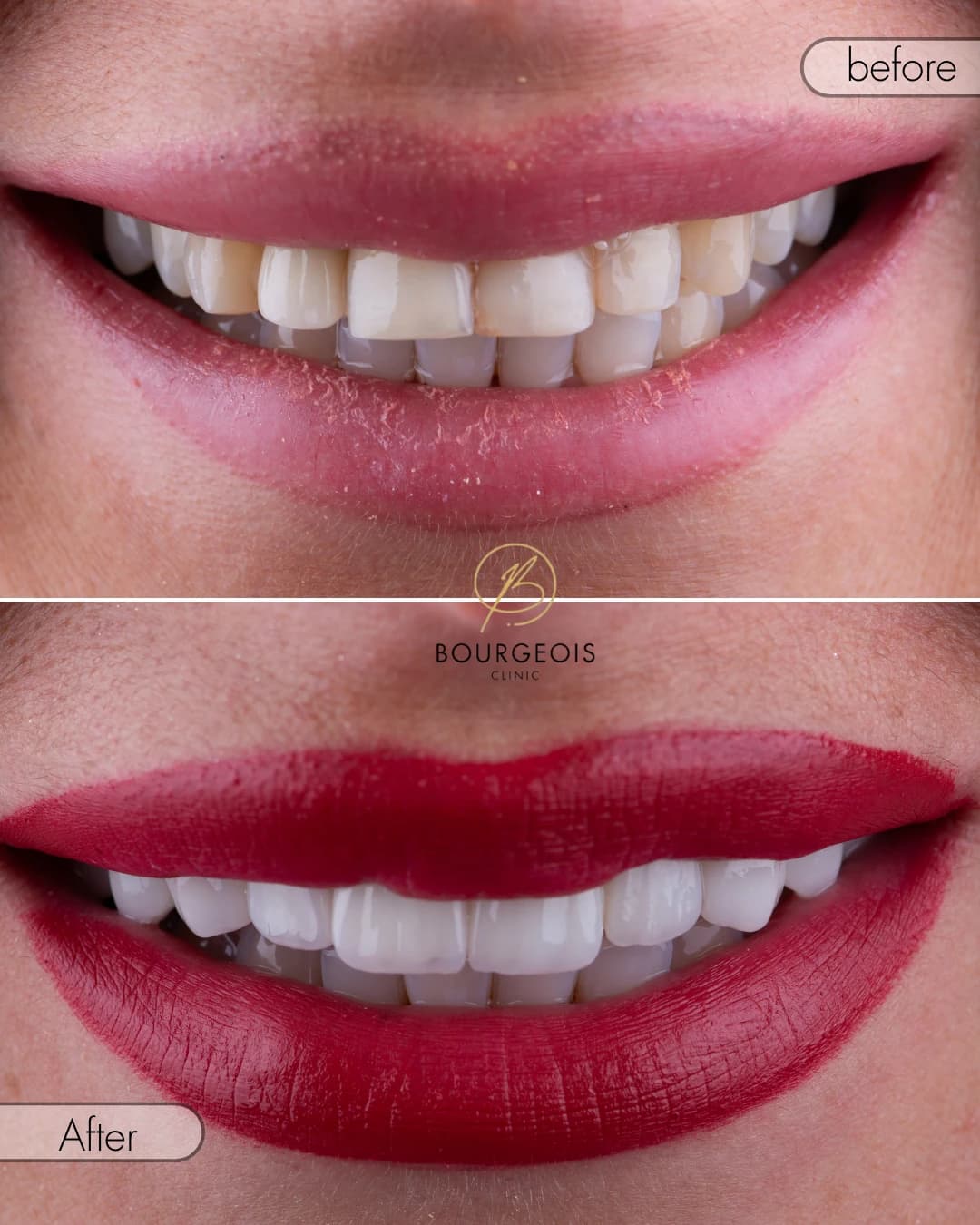
Onlays may protect damaged chewing surfaces and cusps while preserving strong walls. Crowns may be considered when teeth are extensively weakened, heavily restored or require broader coverage. Each tooth should be assessed individually; a full set of crowns is not the default response to worn teeth.
The choice should consider remaining enamel, pulp health, margin position, restoration thickness and future maintenance. Patients with active disease need stabilisation before definitive work.
What is full-mouth rehabilitation for worn teeth?
When many teeth have lost structure, a coordinated plan may rebuild function, tooth proportions and stable contacts across the mouth. Full-mouth rehabilitation can combine different treatments rather than using the same restoration on every tooth.
Planning may include provisional restorations or a trial phase to assess appearance, speech, comfort and function. Complex care should be staged, documented and reviewed rather than presented as a quick cosmetic package.
Can a night guard stop further wear?
A custom night guard may protect teeth and restorations from direct contact during sleep, but it does not necessarily stop the grinding habit or address acid exposure. It should be fitted after assessment and checked over time.
If the guard becomes worn, cracked, loose or uncomfortable, it may need adjustment or replacement. New dental work can also change its fit.
Can worn teeth be left untreated?
Mild stable wear may be monitored when teeth remain healthy, comfortable and functional. Preventive changes and records may be more appropriate than immediate restoration. Progressive wear, repeated fractures, sensitivity, loss of function or significant structural weakness can justify active treatment.
Waiting is safest when it is a monitored decision with clear review intervals, not when symptoms or rapid change are ignored.
Planning worn-tooth care with Dr. Nour
Dr. Nour can identify the visible pattern, discuss likely causes and explain whether the priority is prevention, protection, local repair or broader rehabilitation. She can coordinate treatment through the prosthodontics and full-mouth rehabilitation department when the case involves multiple teeth or significant bite change.
Book a tooth-wear assessment in Dubai
Bring any old photographs, night guards or dental records that may show how the teeth have changed. Book a dental appointment at the Sheikh Zayed Road clinic for an individual diagnosis and treatment plan.