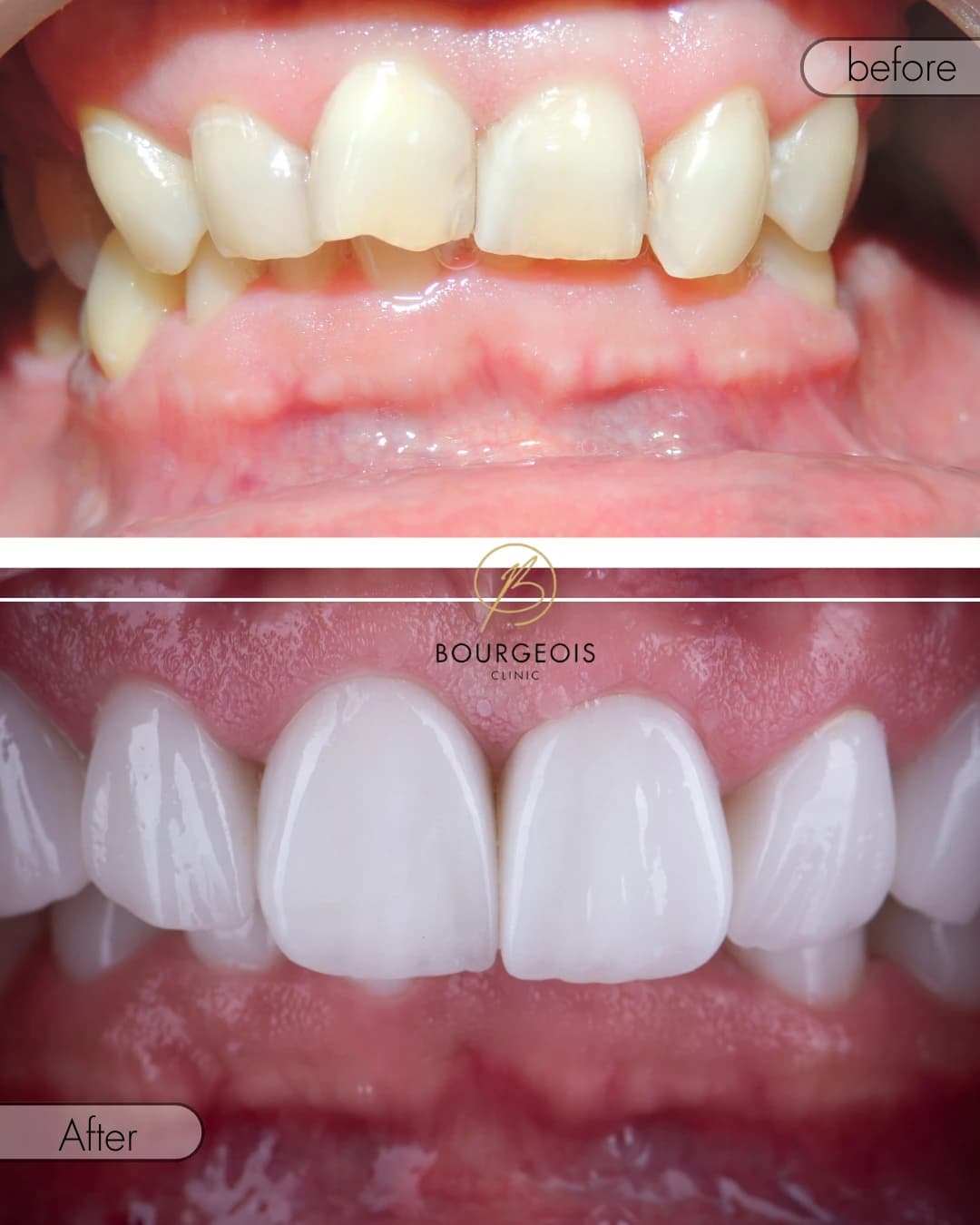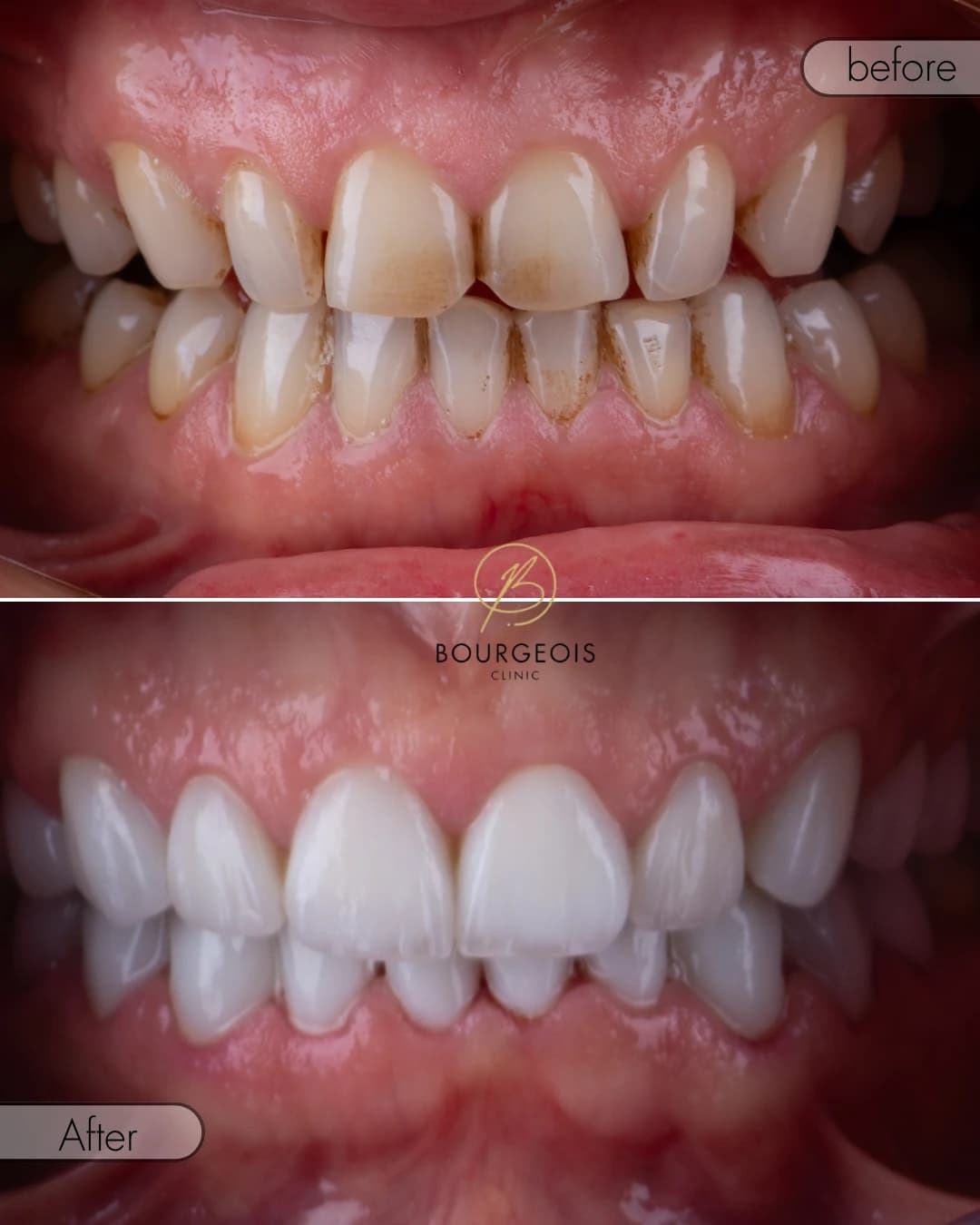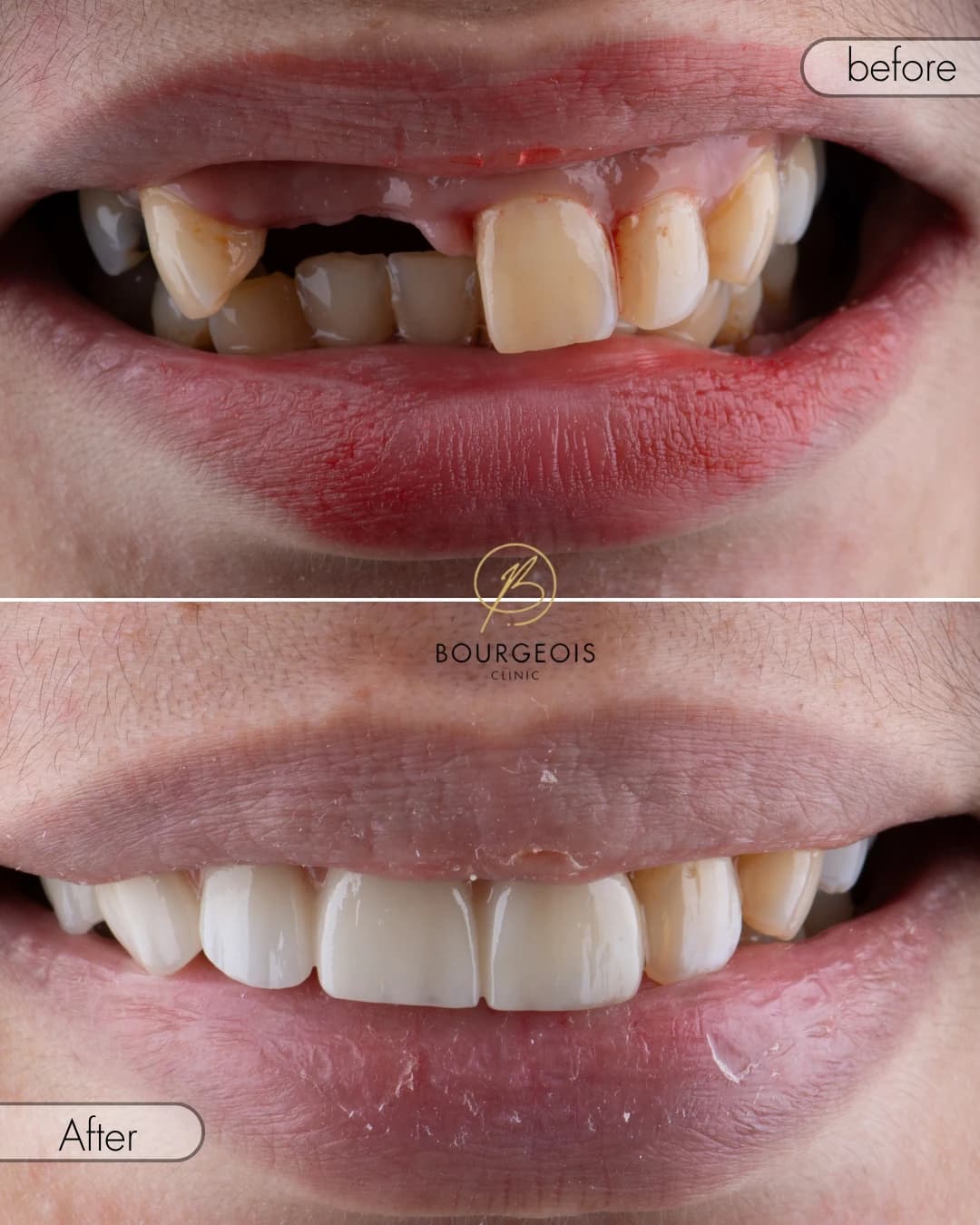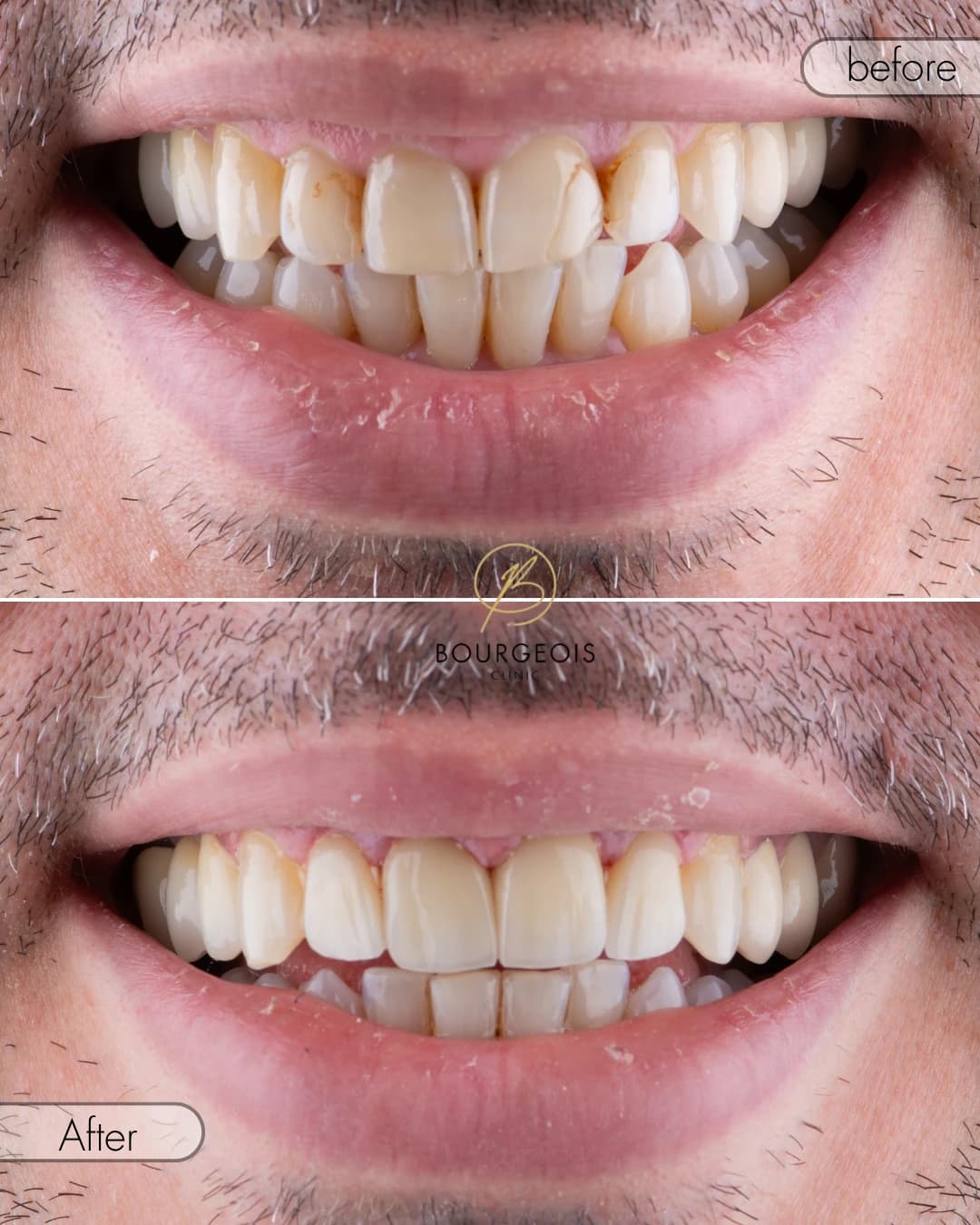


Can Veneers Fix Crooked Teeth or Gaps in Dubai?

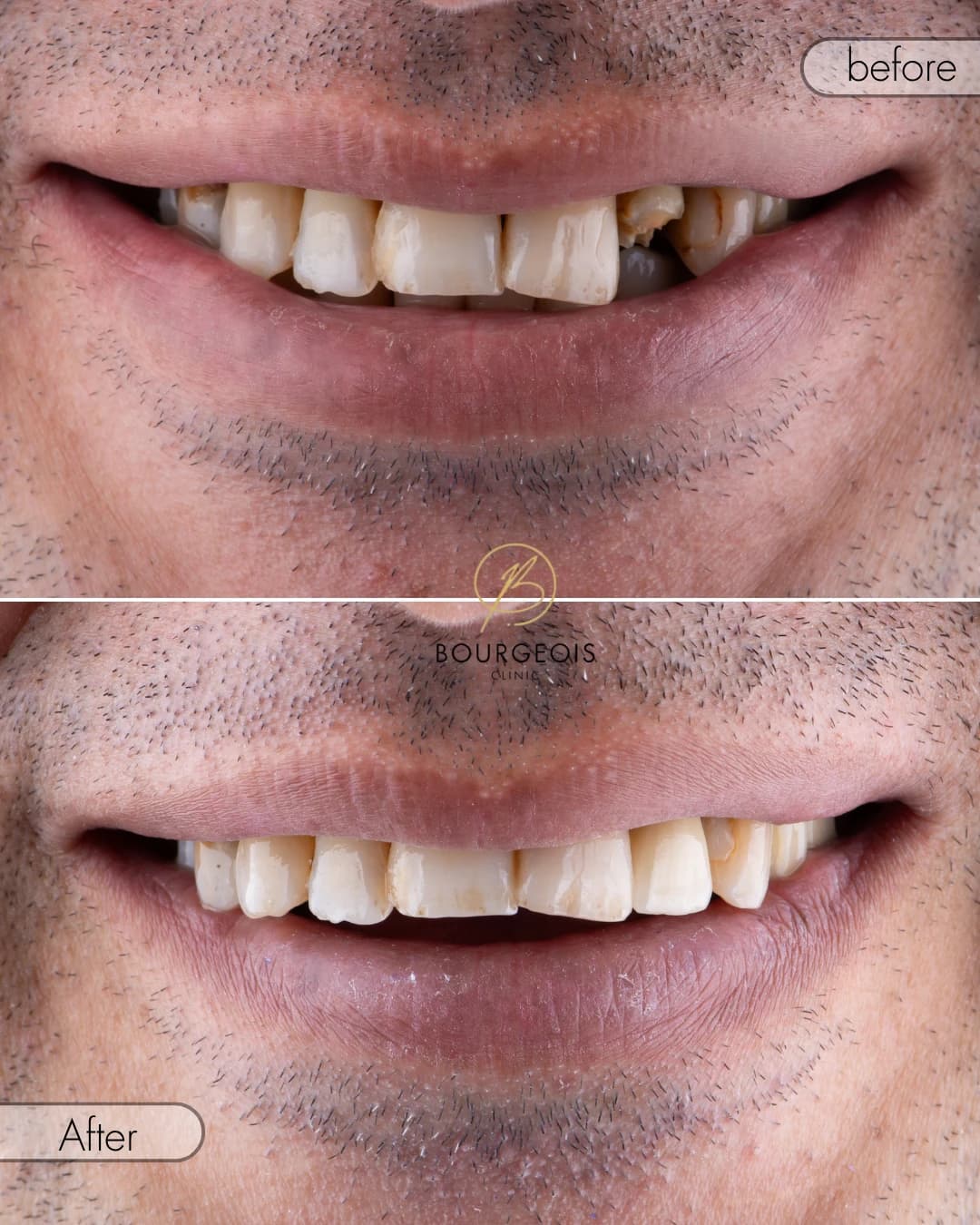
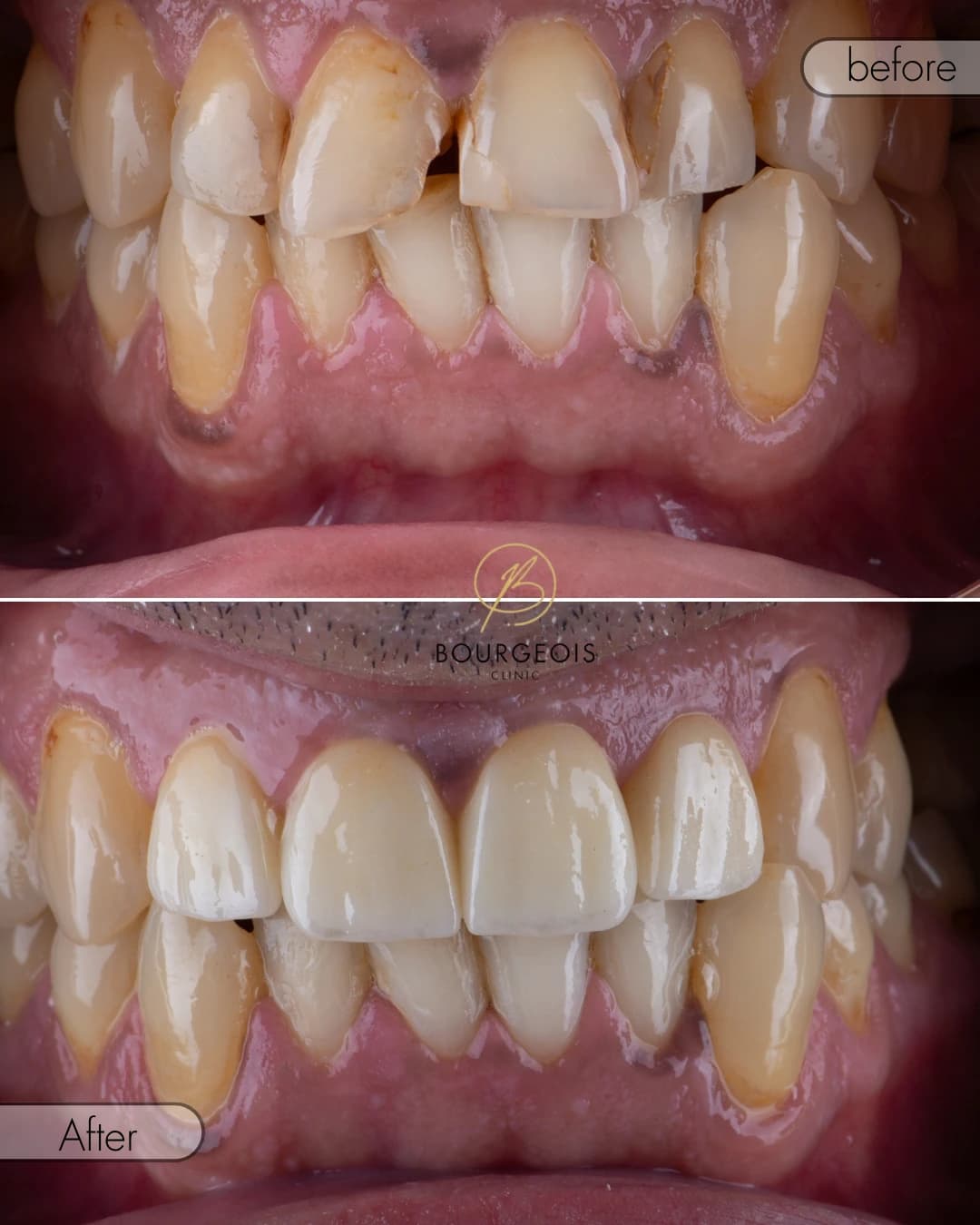
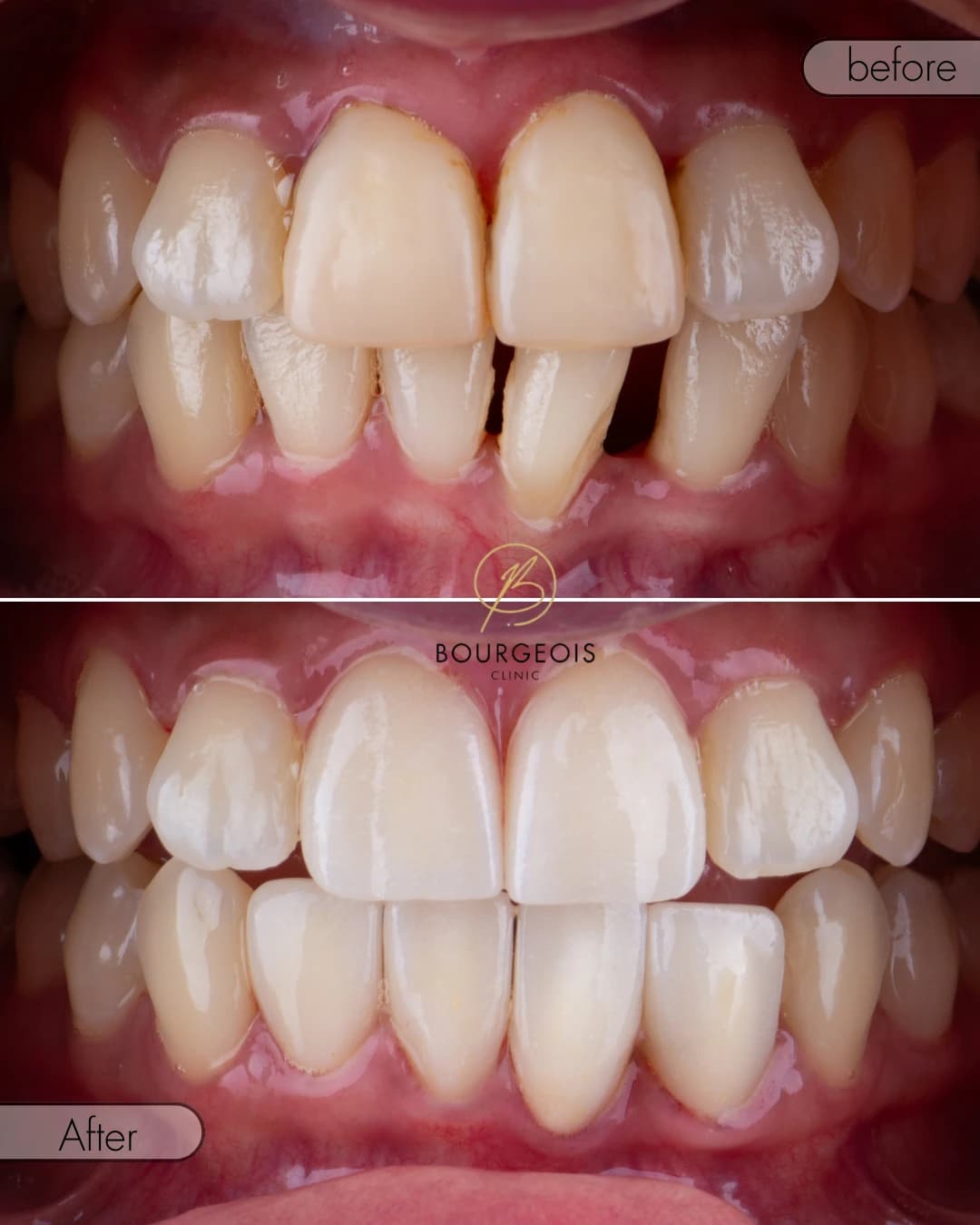
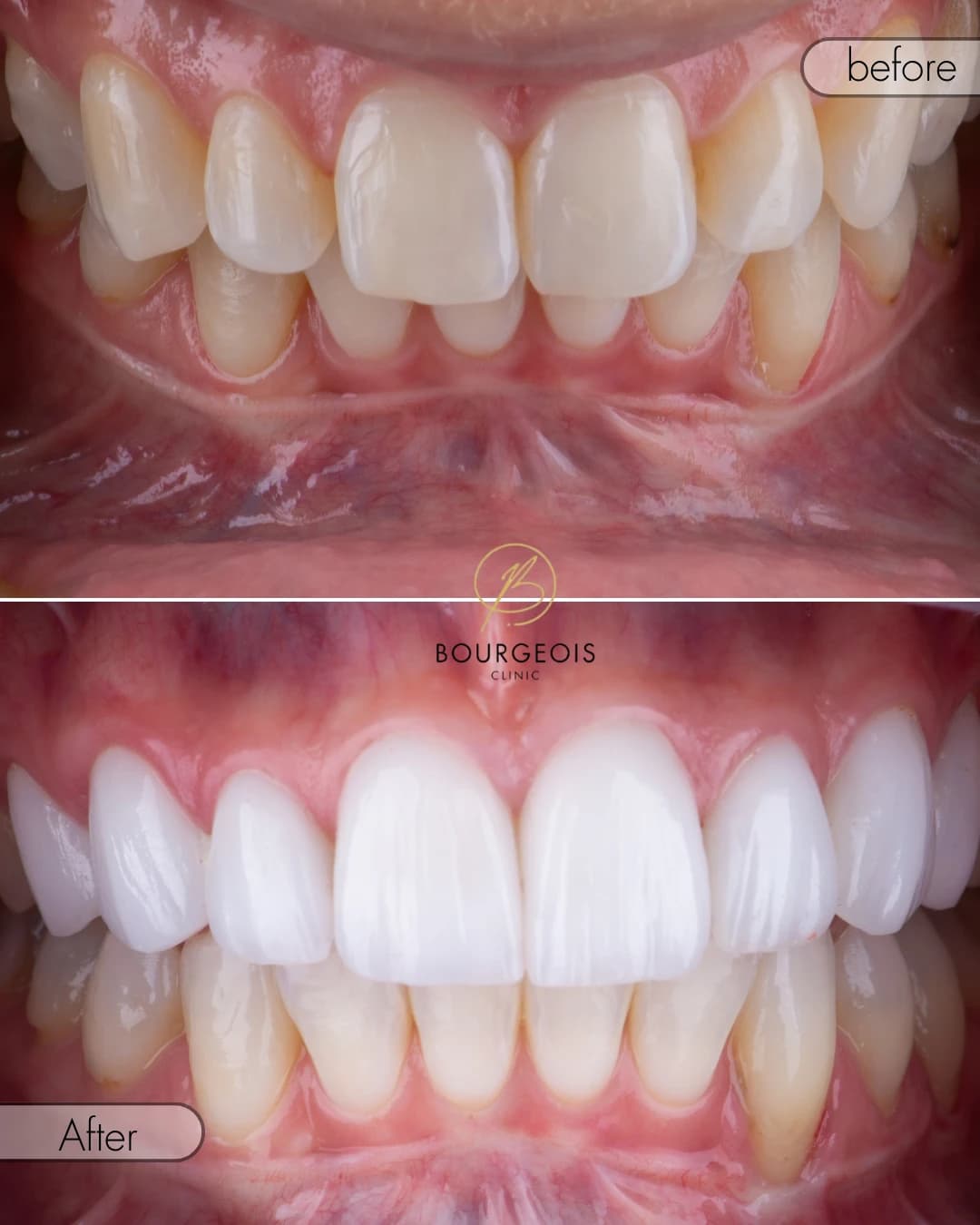
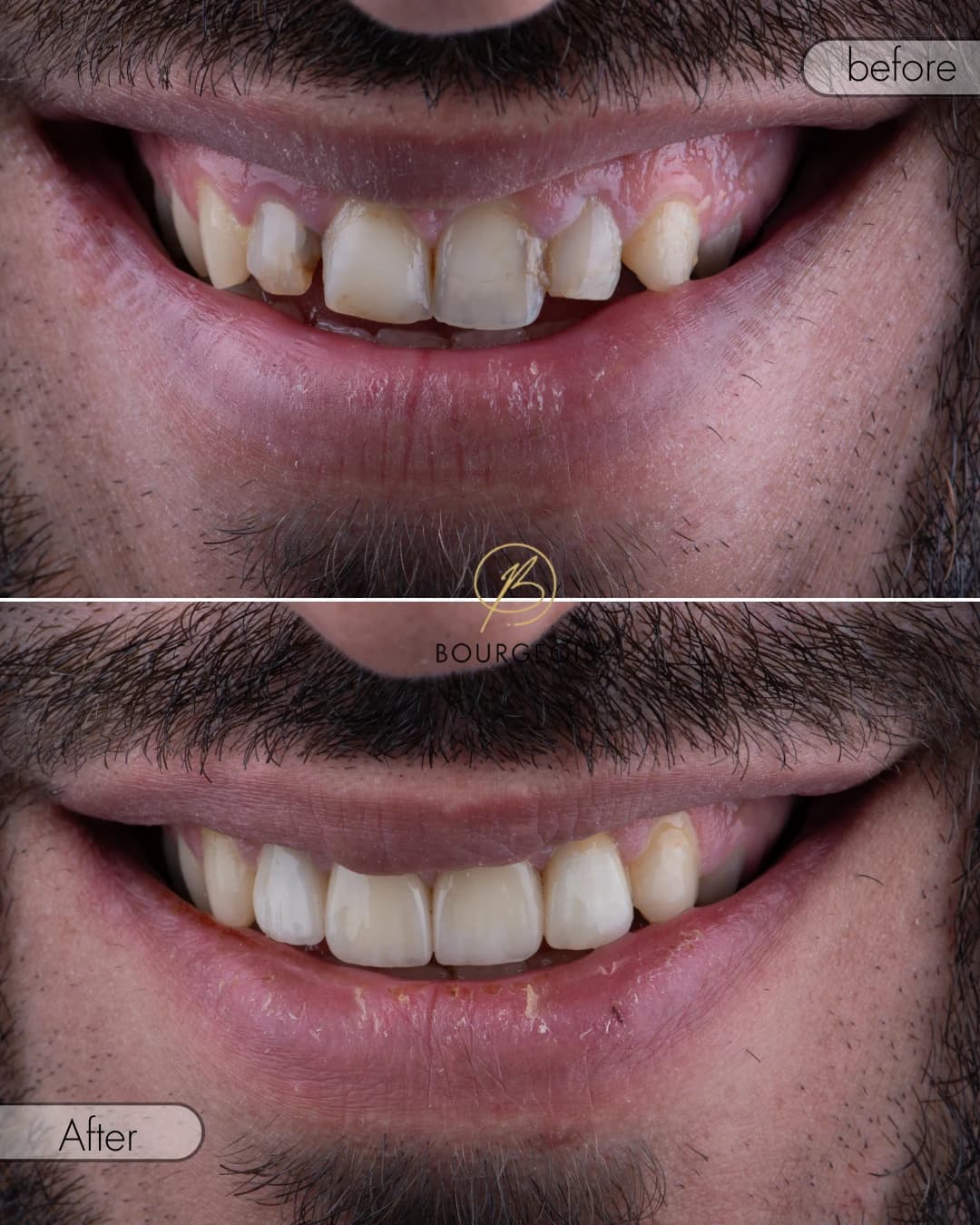
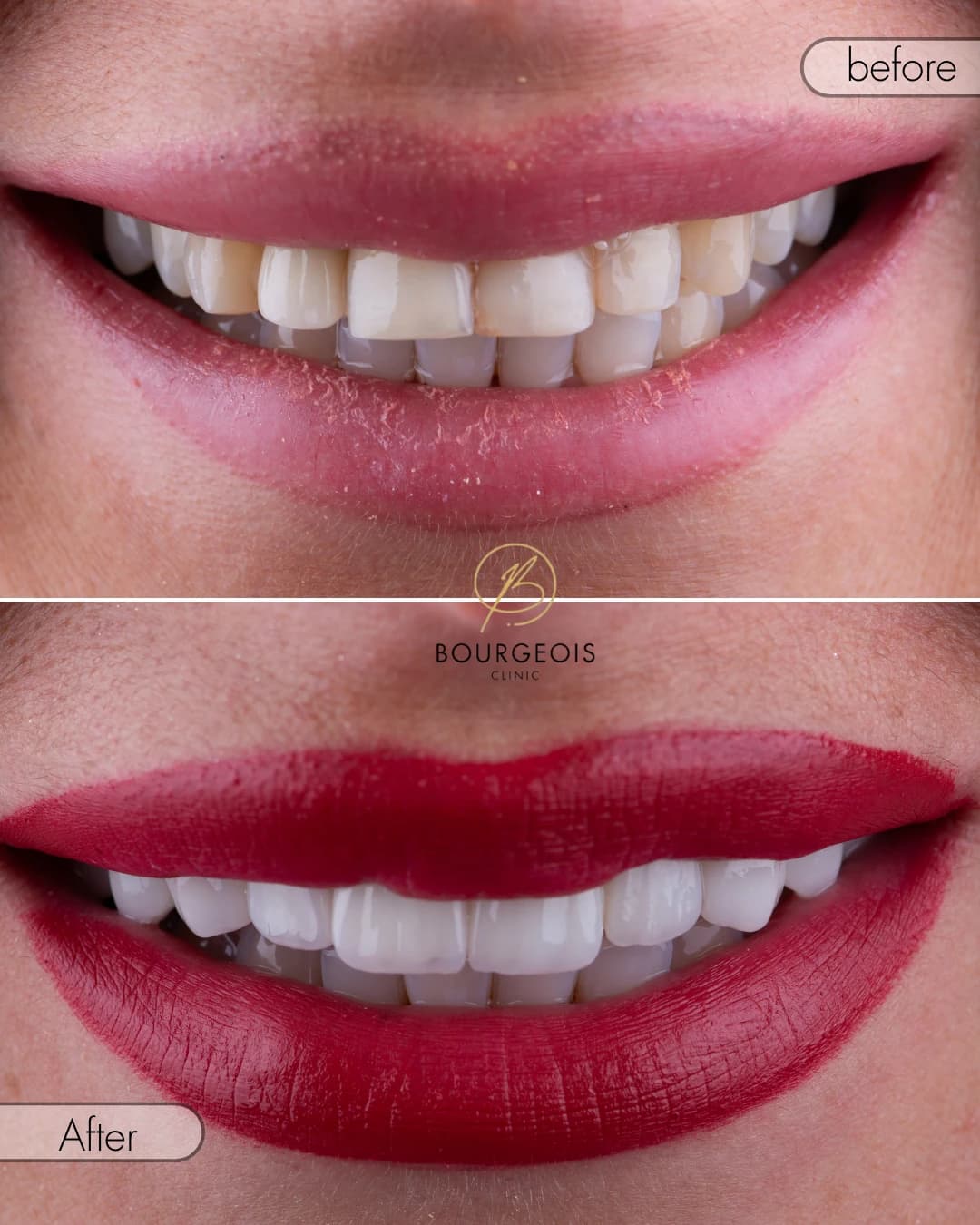
Veneers can visually disguise some small gaps, minor rotations and slightly uneven front teeth, but they do not physically straighten teeth or correct the bite. A veneer changes the visible shape of a tooth by covering its front surface. Braces and clear aligners, by contrast, move teeth into new positions. The right choice depends on the cause and size of the gap, the degree of crowding, tooth position, enamel, gum health, bite and how much healthy tooth structure would need to be altered.
For a small cosmetic difference, veneers or composite bonding may create a balanced appearance relatively quickly. If teeth are significantly crowded, protruding, rotated or involved in a bite problem, orthodontic treatment is often the more biologically conservative starting point. Some patients benefit from a combined plan: limited orthodontics first, followed by whitening, bonding or veneers only where shape or colour still needs improvement.
How can veneers make crooked teeth look straighter?
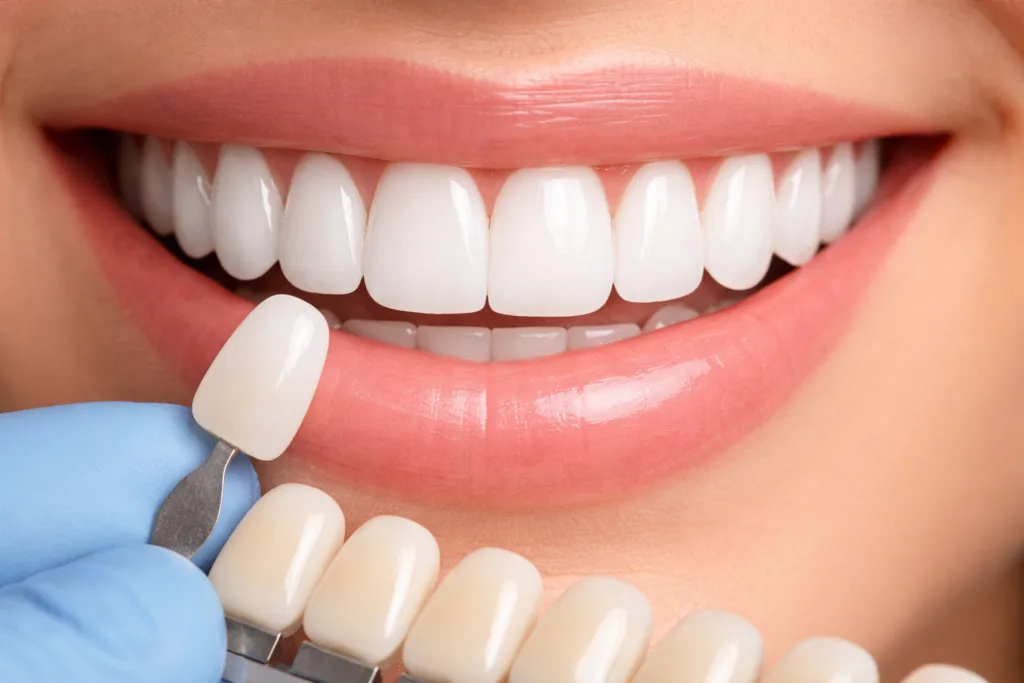
A veneer is a thin restoration bonded to the visible surface of a tooth. Its contour, width, length and angle can be designed so a mildly uneven tooth appears better aligned within the smile. This is sometimes informally called “instant orthodontics,” but that phrase can be misleading. The tooth and root have not moved; only the visible outer form has changed.
Veneers may be considered when the concern involves:
- A mildly rotated front tooth
- Small differences in tooth width or length
- Slightly uneven edges
- A tooth positioned a little inward
- A small gap between otherwise healthy front teeth
- Shape, colour and limited alignment concerns occurring together
The greater the positional correction attempted with veneers, the more risk there is of creating a bulky contour or removing unnecessary enamel. A tooth that projects forward cannot simply be made to look inward without assessing how much reduction that change would require. In such cases, moving the tooth first may preserve more natural structure.
Can veneers close gaps between teeth?
Yes, veneers can close or reduce selected spaces by adding width to the teeth on either side. The important question is whether the resulting tooth proportions will look natural and remain cleanable. Closing a gap by making two already-wide teeth even wider may produce an unbalanced result. A dentist should evaluate the entire smile, not just fill the empty space.
Gap planning should consider:
- The width of the space and how many teeth should share the change
- The natural width-to-length proportions of the front teeth
- Whether the teeth are small, missing, rotated or positioned apart
- The level and shape of the gum tissue
- The midline and symmetry of the smile
- How the upper and lower teeth contact
- Whether the space has been stable or is increasing
A gap can have different causes, including naturally small teeth, missing teeth, tooth position, gum attachment, oral habits or changes associated with gum disease. If a space is new or becoming larger, its cause should be investigated before cosmetic closure. Covering the appearance without addressing an active underlying problem may lead to an unstable or unhealthy result.
When may veneers be suitable for mild misalignment?
Veneers may be a reasonable option when the misalignment is limited, the bite is stable, the teeth and gums are healthy and the planned change can be achieved without excessive reduction. They can be particularly useful when tooth position is only one part of the concern and the patient also wants to change resistant discolouration, worn edges, proportions or surface defects.
Suitability must be assessed tooth by tooth. A tooth positioned slightly inward may allow an additive or minimal-preparation veneer. A tooth that protrudes or is strongly rotated may need considerably more reshaping to imitate alignment. In that situation, orthodontic treatment in Dubai may reduce or remove the need for veneer preparation.
Read our guide to tooth shaving for veneers to understand why the proposed reduction should follow the final design rather than a standard measurement.
When are veneers not the best way to correct crooked teeth?
Veneers are not a substitute for diagnosing and treating significant tooth or jaw misalignment. Orthodontic assessment should usually come first when there is:
- Moderate or severe crowding
- A prominent or strongly rotated tooth
- A deep bite, open bite, crossbite or underbite
- Teeth that meet edge to edge or contact unevenly
- Difficulty cleaning overlapping teeth
- Uneven wear caused by tooth position
- Active gum disease, decay or unstable teeth
- A large space caused by a missing tooth or another structural issue
- A plan that requires substantial reduction of healthy teeth solely to create the appearance of alignment
Veneers placed into an unfavourable bite may be exposed to excessive forces and can chip, loosen or wear. Correcting tooth position first can create space, distribute contact more appropriately and allow any later cosmetic restoration to be thinner and more conservative.
Veneers, bonding or orthodontics: what is the difference?
| Option | What it changes | May suit | Important limitation |
|---|---|---|---|
| Porcelain veneers | Visible shape, size, colour and surface | Selected small gaps, mild apparent unevenness and combined shape or colour concerns | Does not move roots or correct a bite; preparation may be irreversible |
| Composite bonding | Selected edges, contours and tooth width | Small gaps, chips and limited additive shape changes | Can stain, wear or chip and needs maintenance |
| Clear aligners | Tooth position through planned movement | Many mild to moderate spacing and alignment cases after assessment | Requires consistent wear, monitoring and retainers |
| Braces | Tooth position and selected bite relationships | A broad range of crowding, spacing and more complex orthodontic problems | Treatment takes time and requires oral-hygiene care and retention |
The shortest treatment is not automatically the most conservative treatment. Veneers may appear faster because they change the surface rather than move the tooth, but they also introduce a restoration that will require maintenance and possible replacement. Orthodontics takes longer but keeps the natural tooth surfaces intact in many cases. The decision should compare biological cost, predictability, appearance, function, treatment time and long-term maintenance.
Veneers versus composite bonding for gaps
Composite bonding in Dubai can close selected small gaps by adding tooth-coloured resin directly to the teeth. It often requires little or no enamel removal and can usually be repaired directly. It may be a useful first consideration when the teeth have a suitable colour and only a limited additive change is needed.
Porcelain veneers in Dubai are laboratory-made restorations that may provide different optical, surface and stain-resistance characteristics. They can address shape and colour together, but treatment may require enamel preparation and is generally less straightforward to repair than direct composite.
Neither option is universally better. The size of the space, tooth proportions, enamel, bite, desired colour change, maintenance expectations and budget all affect the decision. A mock-up can help show whether closing the gap will make the teeth appear too wide before treatment begins.
Veneers versus clear aligners or braces
Clear aligners and braces treat tooth position; veneers treat tooth appearance. If the teeth are healthy in shape and colour but simply misaligned, orthodontics often addresses the actual problem more directly. It may also improve access for cleaning and the way the teeth meet.
Orthodontics may be preferable when:
- The gap is related mainly to tooth position
- Several teeth are crowded or rotated
- Moving one tooth can improve symmetry without restoring several teeth
- The bite needs correction
- A veneer plan would require substantial enamel removal
- The patient wants to retain natural tooth surfaces where possible
Patients considering removable treatment can discuss clear aligners in Dubai. Suitability cannot be determined from photographs alone; the teeth, gums, roots and bite require proper assessment. Retainers are also normally needed after orthodontic treatment to help maintain the new tooth positions.
Can orthodontics and veneers be combined?
Yes. A combined approach can sometimes produce a more conservative result than trying to solve every concern with one treatment. Orthodontics can first move protruding, rotated or crowded teeth into safer positions. Whitening may then establish the preferred natural shade. Bonding or veneers can be limited to teeth that still need changes in shape, proportion, wear or colour.
Examples include:
- Aligning crowded front teeth before restoring worn edges
- Redistributing a large gap across several teeth before closing the remaining spaces
- Creating the correct space for a naturally small tooth before bonding or a veneer
- Moving a prominent tooth inward to reduce the amount of enamel preparation
- Correcting the bite before replacing old veneers
This sequence usually needs coordination between the cosmetic dentist and orthodontist. The final tooth shapes should ideally be planned before orthodontic movement is completed so that space is distributed for the intended restorative result.
How many veneers are needed to close a gap?
There is no fixed number. A very small central gap might be managed by adding to two teeth, but restoring only those teeth can make them look disproportionately wide. In other cases, changes may be shared across four or more teeth to maintain balance. Some spaces are better closed orthodontically or with bonding rather than veneers.
The number depends on the gap, tooth proportions, smile width, colour matching and whether adjacent teeth also need treatment. Our guide on how many veneers you may need explains why a fixed package should not replace personalised smile planning.
What should be checked before treatment?
A veneer consultation for crooked teeth or gaps should include more than choosing a shade. The dentist should assess:
- The cause and stability of the spacing or misalignment
- Decay, existing fillings, cracks and enamel
- Gum health and gum levels
- Tooth mobility and supporting bone where relevant
- The bite, jaw movement, clenching and grinding
- Tooth proportions, midline and smile width
- The amount of preparation required for every tooth
- Whether bonding or orthodontics could preserve more tooth structure
Photographs, scans, X-rays when clinically indicated, a diagnostic design and a trial mock-up may be used. The mock-up can help evaluate the proposed width and length of the teeth, but it is a planning aid rather than a guarantee of an identical final result.
Risks and long-term considerations
Veneers can chip, loosen, wear or require replacement. Tooth preparation is irreversible when enamel is removed, and sensitivity can occur. Poorly planned width or contour may make cleaning difficult or irritate the gums. A gap can also reopen beside a restoration if tooth movement or the cause of the spacing has not been controlled.
Orthodontic treatment has different responsibilities, including wearing appliances as directed, attending monitoring visits, maintaining excellent cleaning and using retainers after treatment. Composite bonding may stain, lose polish, chip or need reshaping. Understanding these differences is more useful than choosing treatment on speed alone.
Questions to ask at your consultation
- What is causing my gap or crooked tooth?
- Is this only an appearance concern, or is my bite involved?
- Can veneers achieve the change without excessive enamel removal?
- Would bonding close the space more conservatively?
- Would aligners or braces treat the underlying position more appropriately?
- Could limited orthodontics reduce the number or thickness of veneers?
- Can I see a mock-up of the proposed tooth proportions?
- How many teeth need treatment, and why?
- How will the result affect cleaning, gums and bite contacts?
- What maintenance, retention, repair or replacement should I expect?
Assessment at Bourgeois Dental Clinic in Dubai
At Bourgeois Dental Clinic on Sheikh Zayed Road, planning for crooked front teeth or gaps begins with an assessment of tooth position, enamel, gums, bite, proportions and the patient’s goals. Depending on the findings, options within our cosmetic dentistry department in Dubai and orthodontic department may include porcelain veneers, E-max veneers, composite bonding, clear aligners, braces or a combined plan.
You can review Dr. Nour’s dentist profile, learn about Dr. Samer Hassoun, Specialist Orthodontist, and book a dental consultation in Dubai to compare the options for your teeth.
This article provides general educational information and does not replace a dental examination, diagnosis or personalised treatment plan.