


Teeth Grinding in Dubai: Do You Need a Custom Night Guard?
A custom night guard may protect teeth and restorations from grinding forces, but it does not cure every cause of bruxism or jaw pain. Assessment comes first.
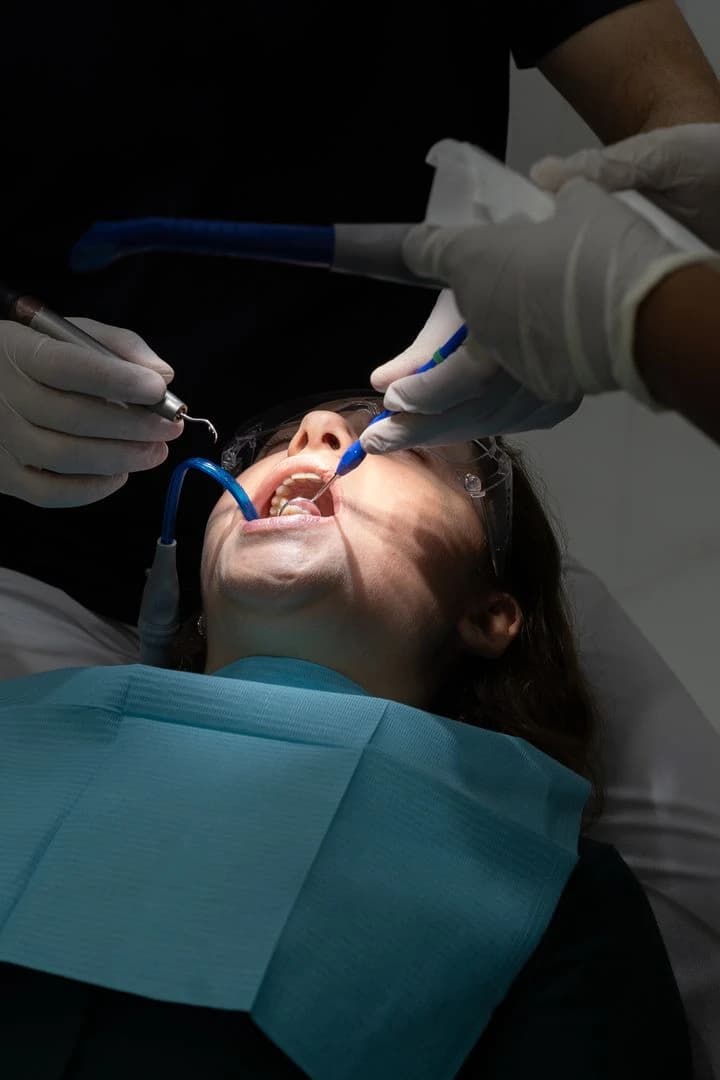
Teeth grinding and clenching can be silent. Some people wake with tired jaw muscles, while others first notice flattened teeth, chipped edges or repeated damage to fillings. A sleeping partner may hear grinding even when the patient is unaware of it. These signs deserve assessment, but they do not mean every patient needs the same appliance.
At Bourgeois Dental Clinic in Dubai, bruxism care begins by distinguishing sleep grinding from daytime clenching and checking the teeth, restorations, muscles, joints and bite. A custom night guard can separate and protect the teeth in selected cases. It is not a universal cure for grinding, stress, jaw pain or sleep problems.
Quick Answer: Do I Need a Night Guard?
A night guard may be considered when examination shows signs of damaging sleep bruxism, such as progressive tooth wear, fractures, overloaded restorations or morning muscle symptoms. It can provide a controlled surface between the teeth and help protect tooth structure and dental work from direct contact.
However, mild bruxism may not require appliance treatment. Jaw pain can have causes unrelated to grinding, and daytime clenching is often better addressed with awareness and habit change as part of the plan. Snoring, pauses in breathing or marked daytime sleepiness may require medical sleep assessment before or alongside dental appliance decisions.
What Is Bruxism?
Bruxism is repetitive jaw-muscle activity involving clenching, grinding or bracing the jaw. It can occur during sleep or while awake. Sleep bruxism and awake bruxism are related behaviours but are not identical, and the patient may have one or both.
Sleep bruxism happens during sleep and is often noticed through grinding sounds, morning jaw fatigue or progressive tooth damage. Awake bruxism may involve sustained tooth contact, clenching or jaw bracing during concentration, driving, work, exercise or stress. Teeth should normally be apart when the jaw is relaxed except during swallowing and chewing.
Signs of Grinding and Clenching
- Flattened, polished or shortened biting surfaces
- Chipped or cracked teeth
- Repeated fracture or loosening of fillings, crowns or veneers
- Tooth sensitivity where enamel has worn
- Morning jaw tightness or muscle fatigue
- Headache or facial discomfort
- Indentations along the tongue or cheek
- A sleeping partner hearing grinding sounds
- Awareness of holding the teeth together during the day
No single sign proves active bruxism. Tooth wear can reflect past behaviour, acidic erosion, abrasive habits or bite factors. Headache and jaw pain have many possible causes. Diagnosis therefore combines history, current signs, symptom timing and progression rather than relying on one photograph or wear mark.
Why Do People Grind Their Teeth?
Bruxism is multifactorial. Sleep-related arousals, stress and mood, genetics, smoking, alcohol, caffeine and certain medicines may be associated. Some patients notice more daytime clenching during periods of concentration or emotional tension. Identifying an association does not mean one factor is the sole cause.
Medication should never be stopped because of suspected grinding without advice from the prescribing clinician. If symptoms began after a medication change, discuss timing with both the dentist and prescriber. Behavioural and medical factors may need attention alongside dental protection.
How Is Bruxism Assessed?
A bruxism assessment in Dubai may include:
- When symptoms occur and whether a partner hears grinding
- Patterns of stress, concentration, sleep, caffeine, alcohol and smoking
- Review of relevant medicines and health conditions
- Examination of wear, chips, cracks and exposed dentine
- Checking fillings, crowns, veneers, bridges and implants
- Palpation of jaw muscles and assessment of jaw movement
- Evaluation of bite contacts and appliance history
- Photographs, scans or measurements to monitor progression
A laboratory sleep study is not required for every dental case, but it may be appropriate when a sleep disorder is suspected or the diagnosis is uncertain. The dentist should not diagnose obstructive sleep apnoea from tooth wear alone.
What Is a Custom Night Guard?
A custom night guard, also called an occlusal splint in some designs, is made from an impression or digital scan of the patient’s teeth. The appliance is designed for a selected arch, material and thickness, then adjusted so it seats securely and provides planned contacts with the opposing teeth.
Different appliances have different purposes. Some aim mainly to protect teeth; others are designed to guide jaw contacts or support a specific diagnosis. A night guard for bruxism is not the same as an orthodontic retainer, sports mouthguard or device for sleep apnoea.
What Can a Night Guard Do?
- Separate upper and lower teeth during use
- Provide a replaceable surface that takes some wear
- Reduce direct loading on vulnerable tooth edges and restorations
- Distribute contacts according to the chosen design
- Help the dentist observe wear patterns on the appliance
- Support selected patients with muscle symptoms
The most dependable expectation is protection, not elimination of bruxism. Some patients continue to clench or grind against the appliance. Symptoms may improve, remain unchanged or occasionally worsen, which is why fitting and review matter.
What a Night Guard Cannot Guarantee
A night guard cannot guarantee that grinding stops, that every headache disappears, or that teeth and restorations will never fracture. It does not treat stress by itself and is not a substitute for sleep-apnoea evaluation. It also cannot restore tooth structure already lost.
If wear is advanced, treatment may require a broader tooth-wear assessment before an appliance is made. Building new tooth surfaces changes the bite and available space, so restorative and protective planning should be coordinated.
Custom Guard vs Over-the-Counter Guard
Over-the-counter guards are widely available, including boil-and-bite products. They may fit poorly, feel bulky, dislodge during sleep or create uneven contacts. Some people chew on a soft appliance, increasing muscle activity. An unsuitable device can also irritate the gums or interfere with breathing comfort.
A custom guard is designed from the patient’s current teeth and adjusted in the mouth. This generally provides better control of fit and contacts, but it still needs maintenance and does not guarantee symptom relief. Patients with loose teeth, active gum disease, extensive dental work, changing bite or suspected sleep problems should seek assessment before using any appliance.
Hard, Soft and Dual-Laminate Appliances
Night guards can be made from different materials. A hard acrylic or similar rigid splint allows precise adjustment and is often easier to assess for wear. Softer materials may feel comfortable initially but can distort or encourage chewing in some patients. Dual-laminate designs combine layers.
No material is best for everyone. The dentist considers wear severity, comfort, gag response, missing teeth, restorations, periodontal health and the aim of treatment. The chosen appliance should be explained, including which teeth it covers, why that arch was selected and how long it is expected to be worn.
How a Custom Night Guard Is Made
- Dental and bite examination
- Treatment of urgent decay, gum problems or unstable restorations when needed
- Digital scan or impression of the teeth
- Recording the bite and selecting appliance design
- Laboratory or in-clinic fabrication according to the system used
- Fitting, retention and bite-contact adjustment
- Instructions for wear, cleaning and storage
- Review and further adjustment after use
A guard made before major dental treatment may no longer fit after crowns, veneers, implants or orthodontics. Tell every treating dentist that you use an appliance so its fit can be checked after changes to the teeth.
Why Follow-Up and Adjustment Matter
A new appliance can feel unfamiliar. The dentist checks that it seats fully, does not rock and contacts the opposing teeth as intended. Uneven pressure may cause tooth tenderness, muscle discomfort or changes in how the bite feels after removal.
Occlusal splint adjustment and review can address fit, wear and contact changes. Stop using the device and contact the clinic if it becomes loose, cracked, sharp, painful, difficult to remove, or appears to change tooth position.
Daytime Clenching Needs a Daytime Strategy
A sleeping appliance cannot address hours of daytime tooth contact. For awake clenching, awareness is often central. Phone reminders, screen notes or habit cues can prompt a relaxed jaw posture: lips together comfortably, muscles relaxed and teeth apart.
A daytime clenching assessment can identify tasks and situations linked to the habit. Breathing, posture, stress management, physiotherapy or medical input may be considered depending on symptoms. Wearing a bulky guard all day is not automatically the right answer.
Bruxism, Jaw Pain and TMJ Symptoms
Bruxism can coexist with jaw-muscle pain and temporomandibular disorders, but it is not the only cause. Joint clicking without pain or limited movement may not require treatment, while locking, trauma, progressive restriction or persistent pain needs assessment.
The TMJ, jaw-pain and bruxism department can evaluate muscle, joint, bite and behavioural factors. Treatment may include self-care, exercises, behaviour change, appliance therapy or coordinated referral. Irreversible bite changes should not be the first assumption for non-specific jaw pain.
Bruxism and Sleep Apnoea Are Not the Same
Grinding sounds do not diagnose sleep apnoea, and a standard night guard is not a sleep-apnoea treatment. Warning signs such as loud habitual snoring, witnessed pauses in breathing, choking or gasping during sleep, marked daytime sleepiness or morning headaches should be discussed with a medical clinician.
Some dental appliances used for obstructive sleep apnoea deliberately position the lower jaw forward and require appropriate medical and dental pathways. They differ from a protective bruxism guard. Using the wrong device may delay diagnosis or fail to manage the breathing problem.
Can a Night Guard Protect Veneers, Crowns or Implants?
A carefully planned guard may reduce direct contact on vulnerable restorations and is sometimes recommended after crowns, veneers or extensive restorative work when grinding risk is present. The appliance must be designed around the final restorations and checked for stable contacts.
Protection does not make dental work indestructible. Materials can still chip, screws can loosen and natural teeth can wear. Restoration protection for bruxism also includes monitoring, maintenance, hygiene and addressing daytime habits.
Cleaning and Caring for a Night Guard
- Rinse the appliance after removal
- Clean it with the method recommended for its material
- Avoid hot water that may distort some appliances
- Allow it to dry as instructed and store it in a ventilated case
- Keep it away from pets, heat and direct sunlight
- Bring it to dental check-ups for fit and wear inspection
- Do not continue using a cracked, sharp or distorted guard
Strong household cleaners, bleach, abrasive toothpaste and boiling water may damage some materials. Follow the clinic or manufacturer instructions. Persistent odour, staining or buildup should be assessed rather than hidden with fragrance.
When Teeth Need Repair Before or After a Guard
Active decay, unstable fillings, gum disease and urgent fractures may need treatment before the final scan so the appliance fits the stable tooth shape. If tooth wear has changed the bite significantly, a diagnostic and restorative plan may be required before deciding the guard design.
After restoration, the guard may need adjustment or replacement. Trying to force an old guard over a new crown or filling can damage the appliance, restoration or tooth. Bring the guard to fitting appointments so compatibility can be checked.
Planning Bruxism Care with Dr. Nour
Dr. Nour’s profile includes general, aesthetic and restorative dental care. She can assess tooth wear, chipped restorations and bite-related concerns, discuss whether a custom guard is suitable and coordinate with colleagues when jaw-joint, sleep, orthodontic or complex restorative assessment is needed.
The aim is not simply to sell an appliance. A useful plan identifies what needs protection, whether damage is active, what symptoms have another possible cause and how the device will be reviewed. This reduces the risk of treating every jaw complaint as grinding.
Questions to Ask Before Getting a Night Guard
- What signs suggest active sleep or daytime bruxism?
- Is the main goal tooth protection, symptom management or both?
- Which guard design and material do you recommend, and why?
- Should it cover the upper or lower teeth?
- Do I need dental treatment before the scan?
- Could snoring or sleep symptoms require medical assessment?
- How should the appliance be cleaned and stored?
- When will fit, bite contacts and wear be reviewed?
Book a Teeth-Grinding Assessment in Dubai
Bourgeois Dental Clinic is located on Sheikh Zayed Road, Exit 41, near Al Thanya Street in Dubai. Patients from Umm Al Sheif, Al Barsha, Umm Suqeim, Jumeirah, Al Quoz, Barsha Heights, The Greens and Dubai Marina can arrange bruxism, tooth-wear and jaw assessment.
Book a dental appointment if you wake with jaw fatigue, have progressive tooth wear or repeatedly chip teeth or restorations. Bring any existing guard so the dentist can assess its condition, fit and contact pattern.
Editorial note: This article provides general information. Bruxism, jaw pain and sleep-related symptoms require individual assessment, and a night guard is not suitable for every patient.