


How to Choose the Best Orthodontist in Dubai for Braces

The best orthodontist in Dubai for braces is the appropriately licensed specialist whose diagnosis, appliance selection, monitoring and retention plan match your individual tooth and jaw-alignment needs.
Choosing the best orthodontist in Dubai for braces should begin with professional credentials and a thorough diagnosis, not a promotional ranking or the cheapest package. The right orthodontist should understand your type of tooth or jaw misalignment, explain suitable treatment options, set realistic expectations and provide consistent monitoring throughout treatment and retention.
At the Orthodontics, Braces & Clear Aligners Department at Bourgeois Dental Clinic, orthodontic care is led by Dr. Samer Hassoun, a Specialist Orthodontist with more than 24 years of experience. His published clinical scope includes traditional and self-ligating braces, clear aligners, temporary anchorage devices, functional appliances, impacted-canine management, surgical orthodontics and cleft-related orthodontic care.
Quick Answer: What Makes a Good Orthodontist?
A good orthodontist evaluates more than whether the front teeth look straight. The assessment should consider tooth positions, jaw relationships, bite, facial balance, gum and bone support, oral hygiene, growth when relevant and long-term stability. The orthodontist should explain why a particular appliance is recommended, how progress will be monitored and what retainers will be needed after active treatment.
What Does “Best Orthodontist in Dubai” Really Mean?
No single orthodontist or appliance is best for every person. A teenager with developing jaws, an adult with mild crowding, a patient with an impacted canine and someone preparing for jaw surgery have different needs. The best choice is an appropriately licensed clinician whose specialist scope and experience match the complexity of your case.
Use the following criteria to compare orthodontists in a practical and defensible way.
1. Verify the Orthodontist’s Licence and Specialist Title
Check that the clinician is licensed to practise in Dubai and review the registered professional title. “Braces dentist,” “smile expert” and similar advertising phrases do not necessarily describe a registered specialty. If you want specialist-led care, confirm that the clinician’s current title is Specialist Orthodontist or the relevant registered equivalent.
Credentials do not replace a consultation, but they help you understand the clinician’s formal scope. For more complex bite, jaw, growth or impacted-tooth problems, specialist orthodontic training can be especially relevant.
2. Choose Experience Relevant to Your Case
Ask whether the orthodontist regularly treats cases comparable to yours. Years of experience are helpful, but relevant case experience and the quality of diagnosis matter more than a single headline number.
| Your situation | Experience to look for |
|---|---|
| Adult crowding or spacing | Adult orthodontic planning, gum assessment and realistic appliance selection |
| Teenager needing braces | Growth assessment, eruption monitoring, hygiene support and compliance management |
| Child with developing bite | Early assessment and ability to distinguish monitoring from necessary intervention |
| Impacted canine | Space creation, imaging, surgical coordination and controlled tooth movement |
| Significant jaw discrepancy | Growth modification or coordinated surgical-orthodontic planning when indicated |
| Previous orthodontic relapse | Cause assessment, retreatment choices and a revised retention strategy |
Bourgeois Dental Clinic provides dedicated pathways for adult orthodontics, teen orthodontics and early orthodontic assessment for children.
3. Expect Complete Orthodontic Records and Diagnosis
A responsible orthodontic consultation in Dubai begins with your concerns, dental and medical history, previous treatment and expectations. The orthodontist examines the teeth, gums, bite, jaw relationships, facial proportions and available space.
Diagnostic records may include clinical photographs, digital scans or impressions and appropriate radiographs. Additional imaging is selected only when clinically indicated. These records help identify the problem, measure severity, plan tooth movement and establish a baseline for monitoring.
4. Make Sure the Plan Treats the Bite, Not Only the Smile
Straight front teeth do not automatically mean a healthy or stable bite. Orthodontic planning should consider how the upper and lower teeth meet, overbite, overjet, crossbite, open bite, midlines, tooth inclinations, jaw relationships and space for each tooth.
Aesthetic goals matter, but treatment should balance appearance, function, tissue health and stability. Ask the orthodontist to show which problems the plan is intended to correct and which limitations may remain.
5. Compare Braces and Clear Aligners Objectively
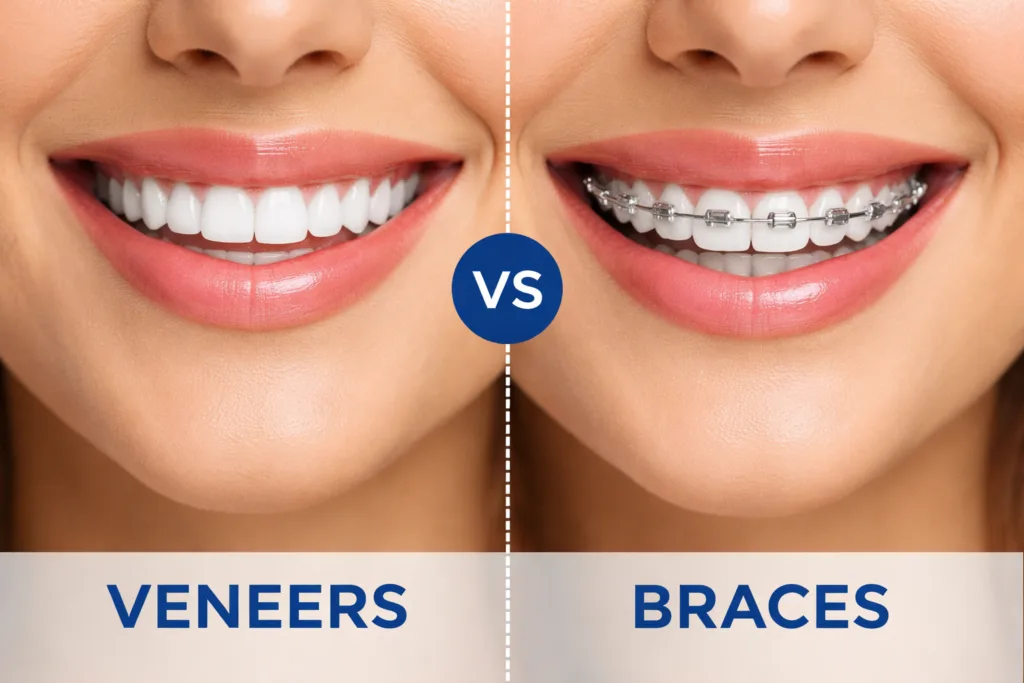
The best appliance is the one that can deliver the planned movements safely and that the patient can use correctly. Do not select treatment solely because one option is described as faster, invisible or more advanced.
| Option | Potential advantages | Important considerations |
|---|---|---|
| Metal braces | Fixed, versatile and not dependent on remembering to wear trays | Visible appliance; careful cleaning and food precautions are required |
| Ceramic braces | Less visually noticeable than metal brackets | Still fixed; brackets and ties require maintenance and may stain or break |
| Clear aligners | Removable for meals and cleaning; discreet appearance | Results depend heavily on wear time; not every movement is equally predictable |
| Functional appliances | May guide selected growth-related or jaw-position problems | Timing, growth and patient cooperation affect suitability |
An orthodontist may recommend attachments, elastics, temporary anchorage devices, extractions or other supporting measures depending on the diagnosis. Ask why each component is necessary.
6. Ask How Treatment Length Is Estimated
Orthodontic duration depends on the diagnosis, number and complexity of movements, growth, bone response, missed appointments, appliance breakage, oral hygiene and compliance with elastics or aligners. An estimated range is more realistic than a guaranteed completion date.
Ask what could extend treatment, how progress will be assessed and what happens if teeth are not responding as predicted. A good plan should include defined goals and regular review rather than continuing indefinitely without explanation.
7. Compare Written Costs and What They Include
Request a written orthodontic plan that explains the selected appliance, expected stages and fees. Confirm whether the quote includes diagnostic records, appliance placement, adjustment visits, emergency repairs, refinements, removal, retainers and post-treatment reviews.
Low advertised prices may exclude important elements or apply only to limited cases. Compare quotations for the same diagnosis and treatment scope rather than comparing package headlines alone. The most expensive option is not automatically the most suitable.
8. Evaluate Monitoring and Appointment Availability
Orthodontic treatment develops over months or years, making continuity important. Ask who will review you, how often appointments are usually scheduled and how progress or side effects are documented.
You should also know what to do if a wire is poking, a bracket becomes loose, an aligner is lost or significant discomfort develops. Bourgeois Dental Clinic has a dedicated page for orthodontic and braces emergency care.
9. Check the Oral-Hygiene and Gum-Care Plan
Braces can make plaque removal more difficult, while aligners can trap plaque or liquids against teeth when used incorrectly. Existing decay, gum inflammation or poor hygiene may need attention before or during orthodontic treatment.
The team should teach brushing and interdental cleaning, review diet and identify areas that need professional preventive care. A page dedicated to preventive care for braces and aligners can help patients understand these responsibilities.
10. Plan Retention Before Starting Treatment
Teeth can move after braces or aligners. Retention is therefore part of treatment, not an optional extra. Ask which fixed or removable retainers may be recommended, how long they should be worn, how they are cleaned and what happens if they break or no longer fit.
The orthodontic retainers service explains the role of retention and follow-up after active tooth movement.
11. Use Reviews and Before-and-After Cases Carefully
Reviews can reveal patterns in communication, punctuality and patient experience, but they cannot confirm your diagnosis or predict your outcome. Look for detailed, consistent feedback rather than one dramatic review.
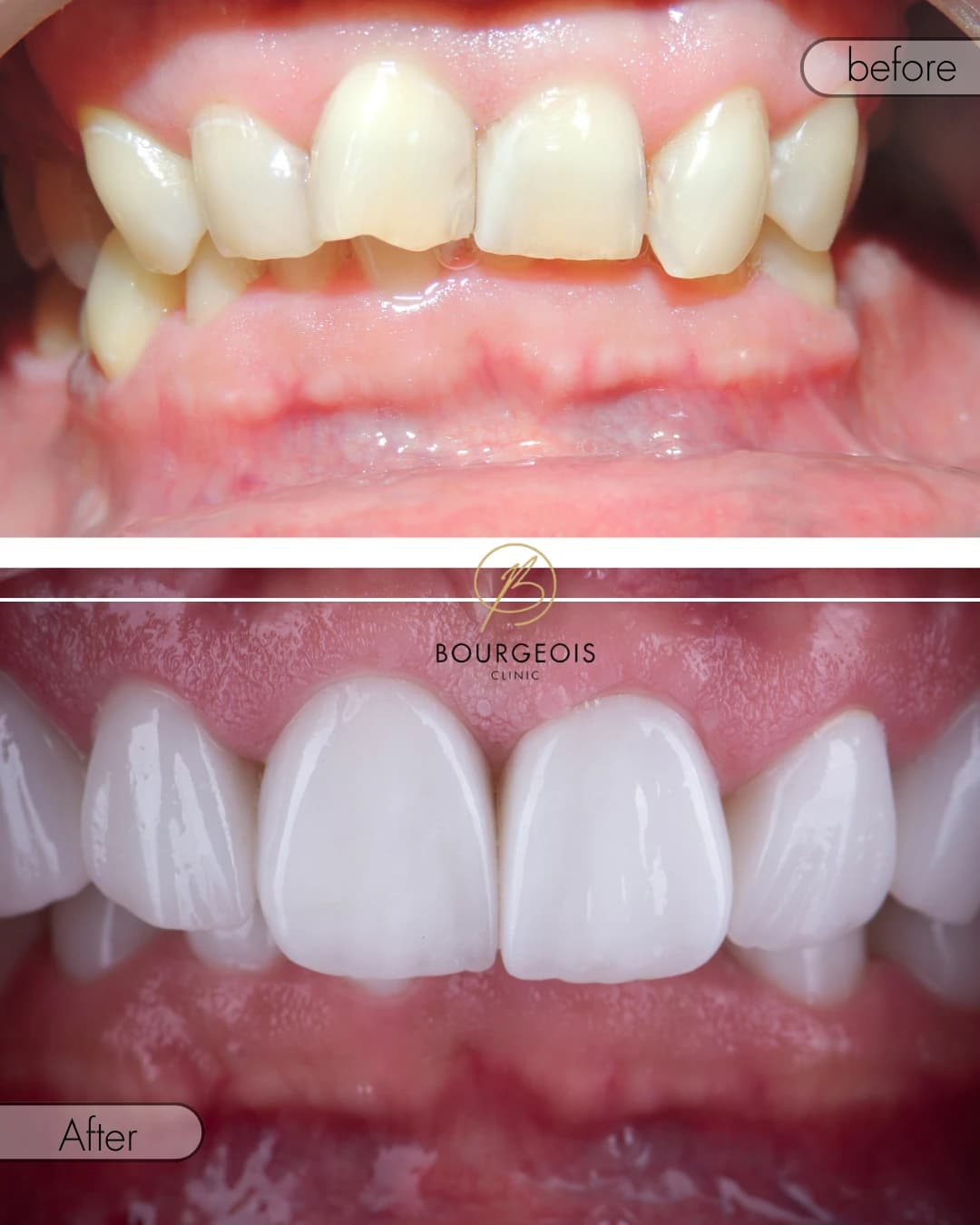
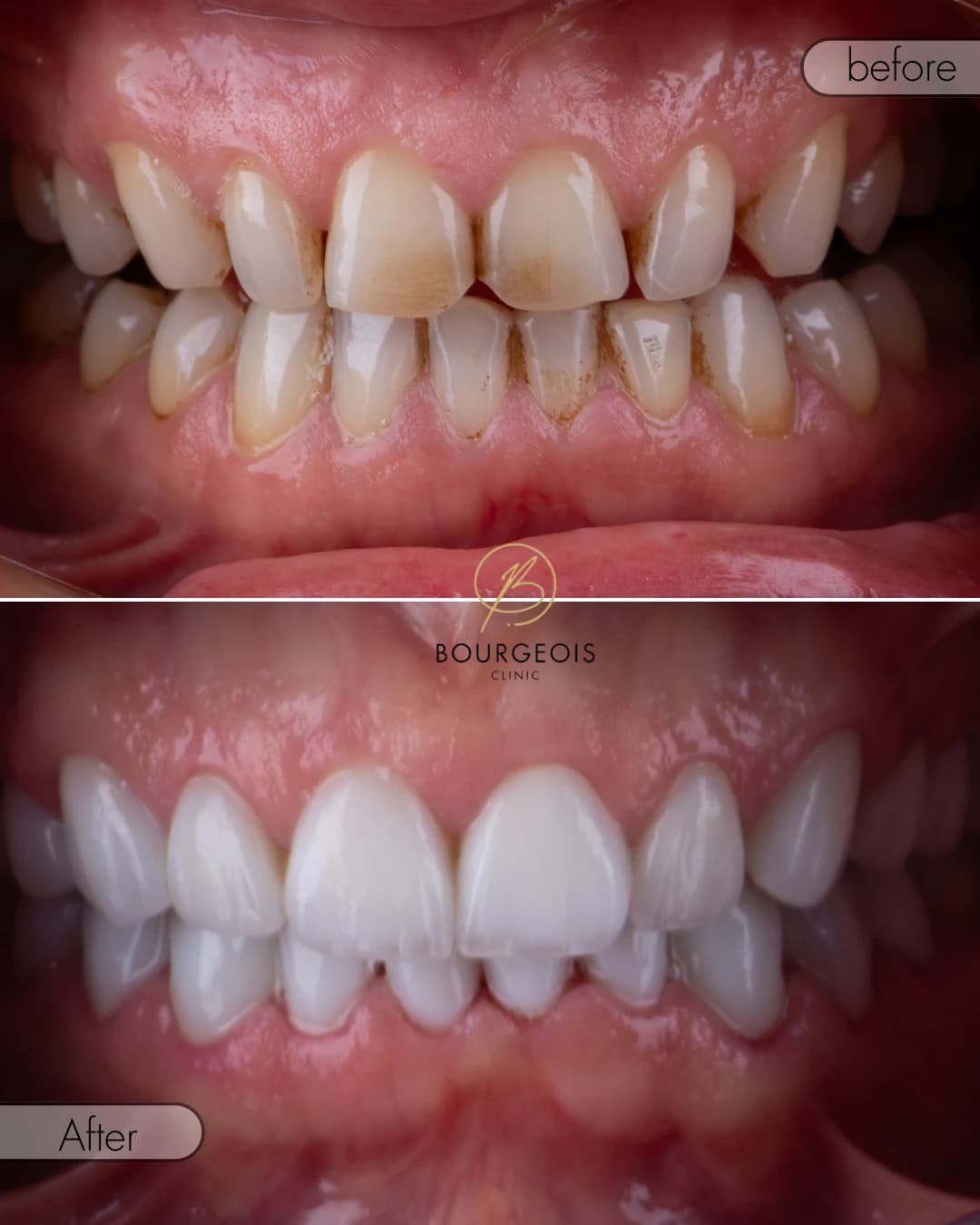
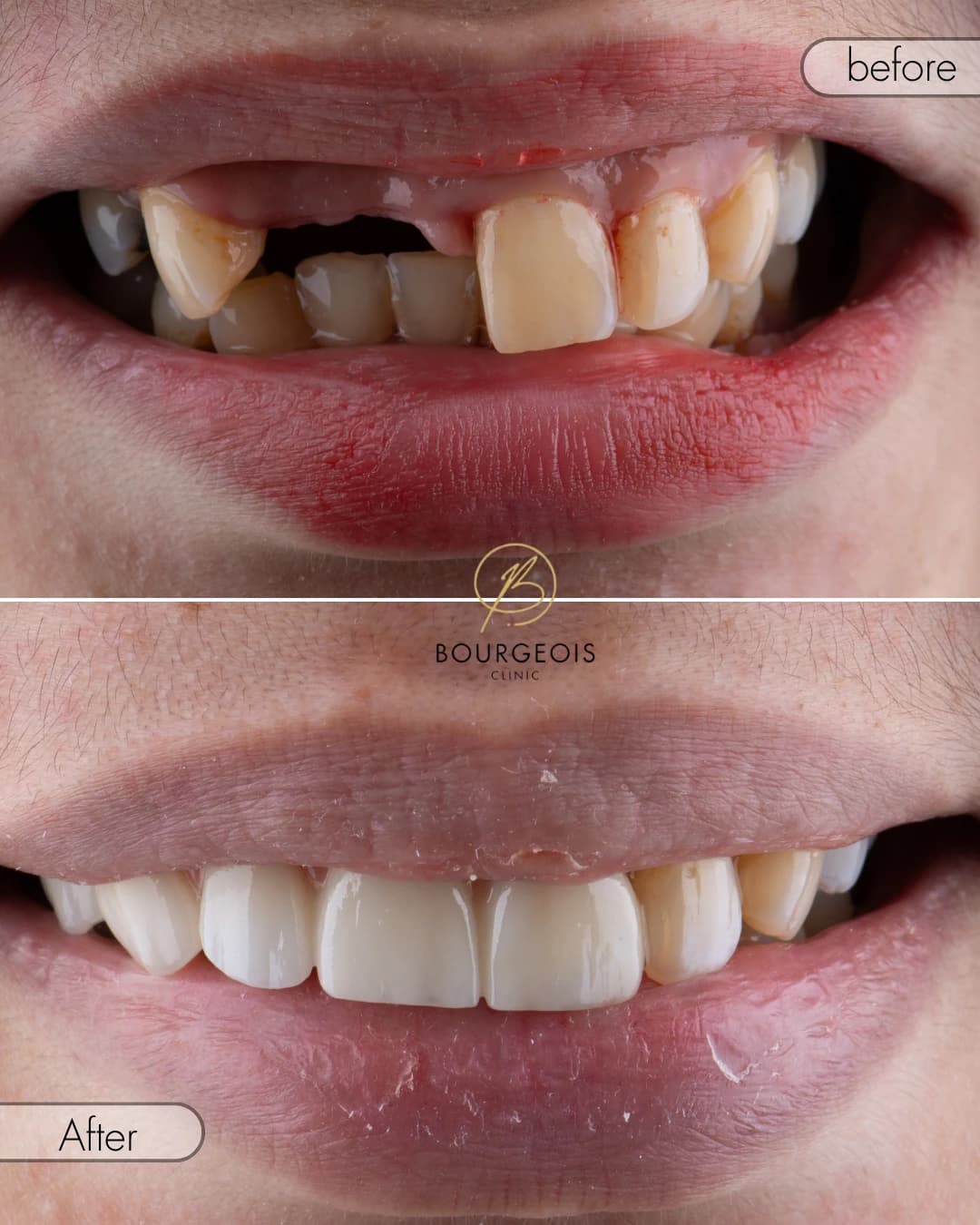
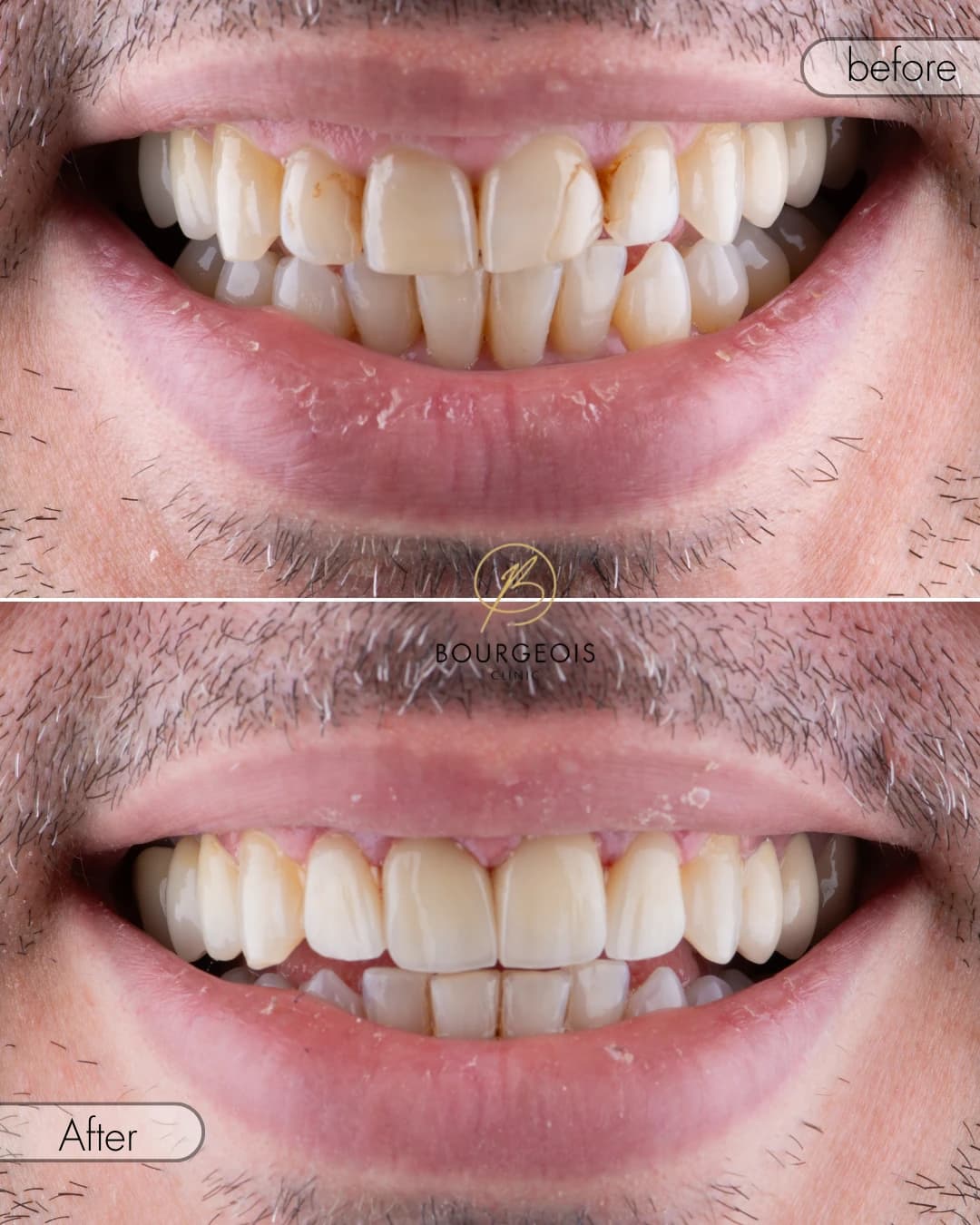
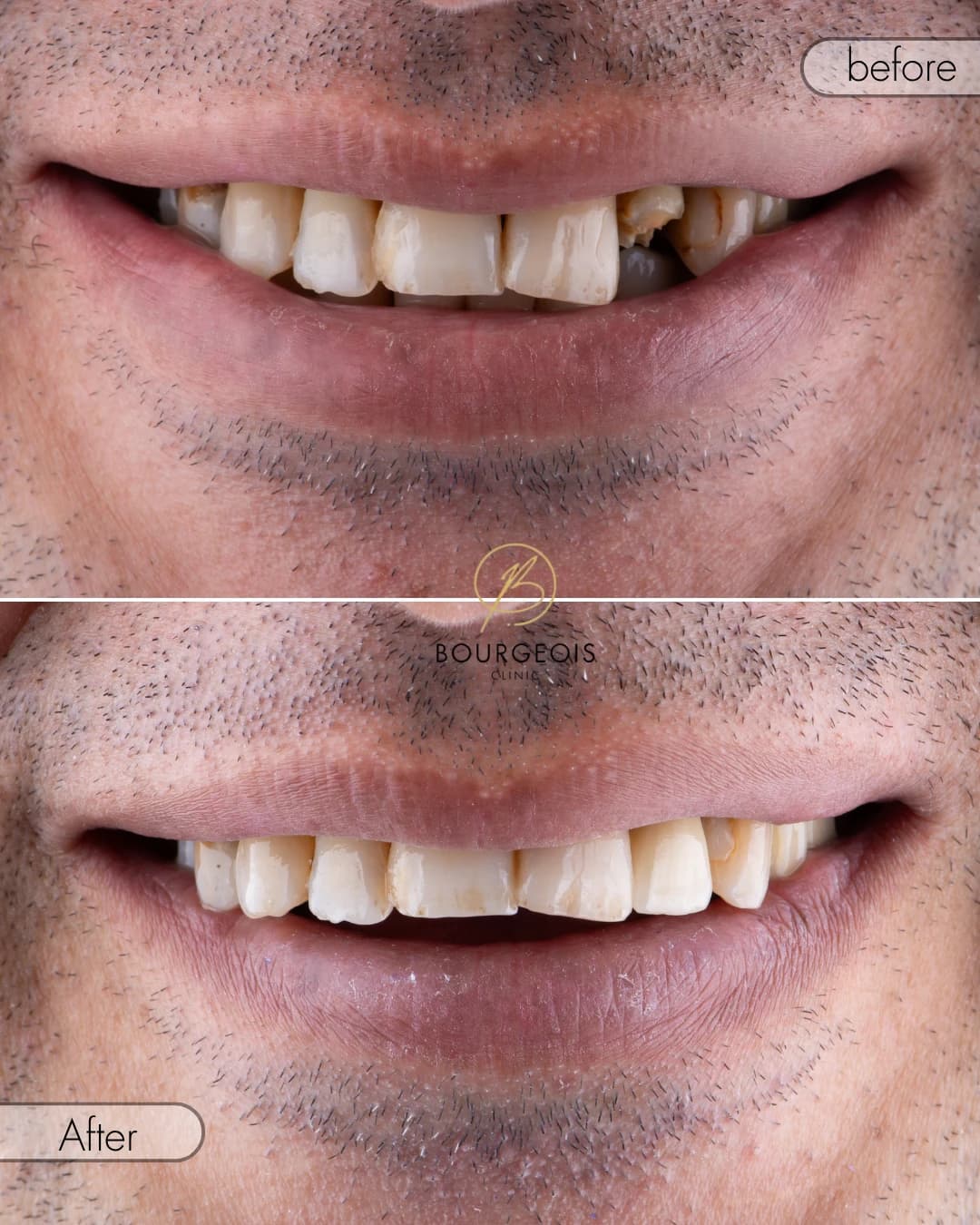
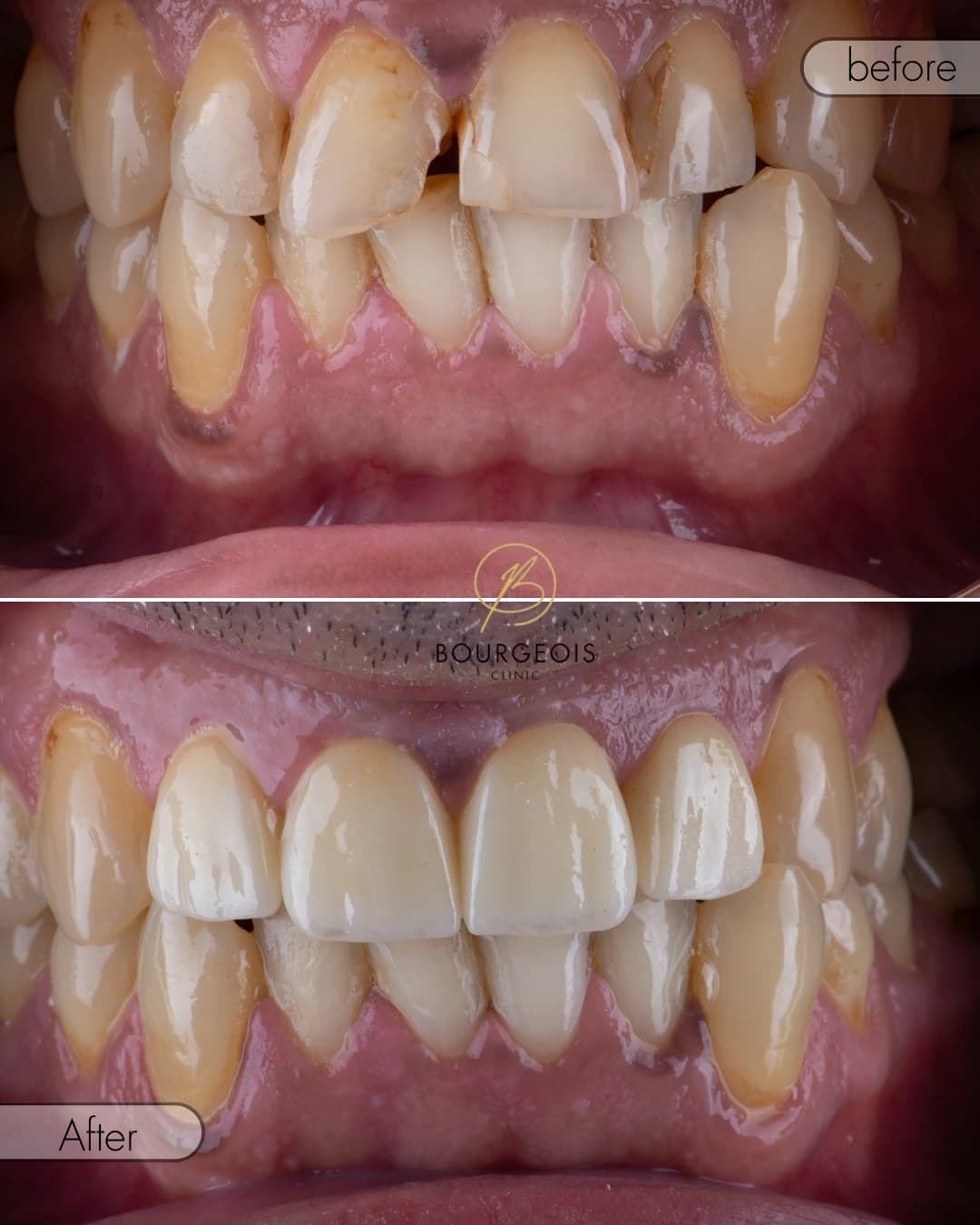
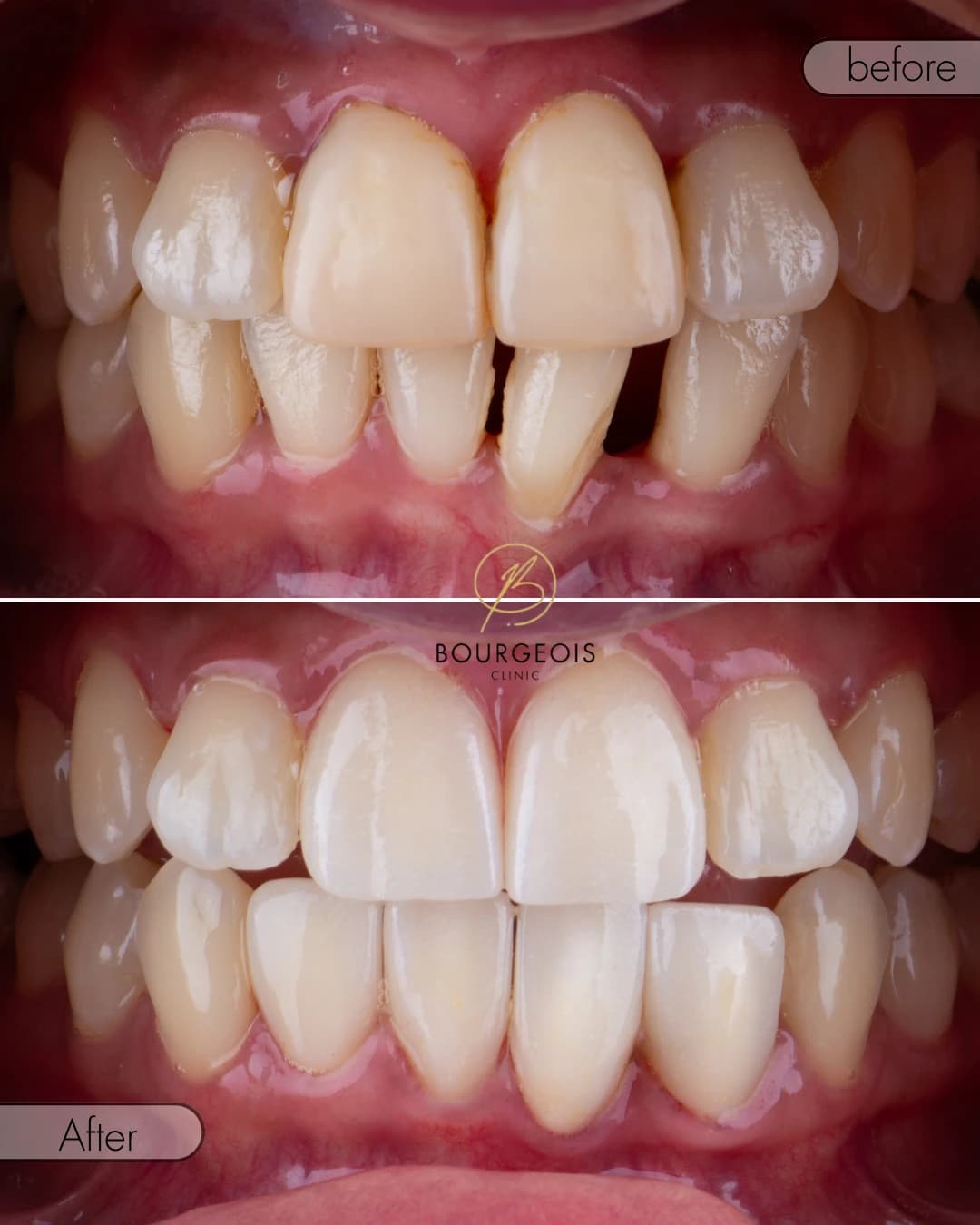
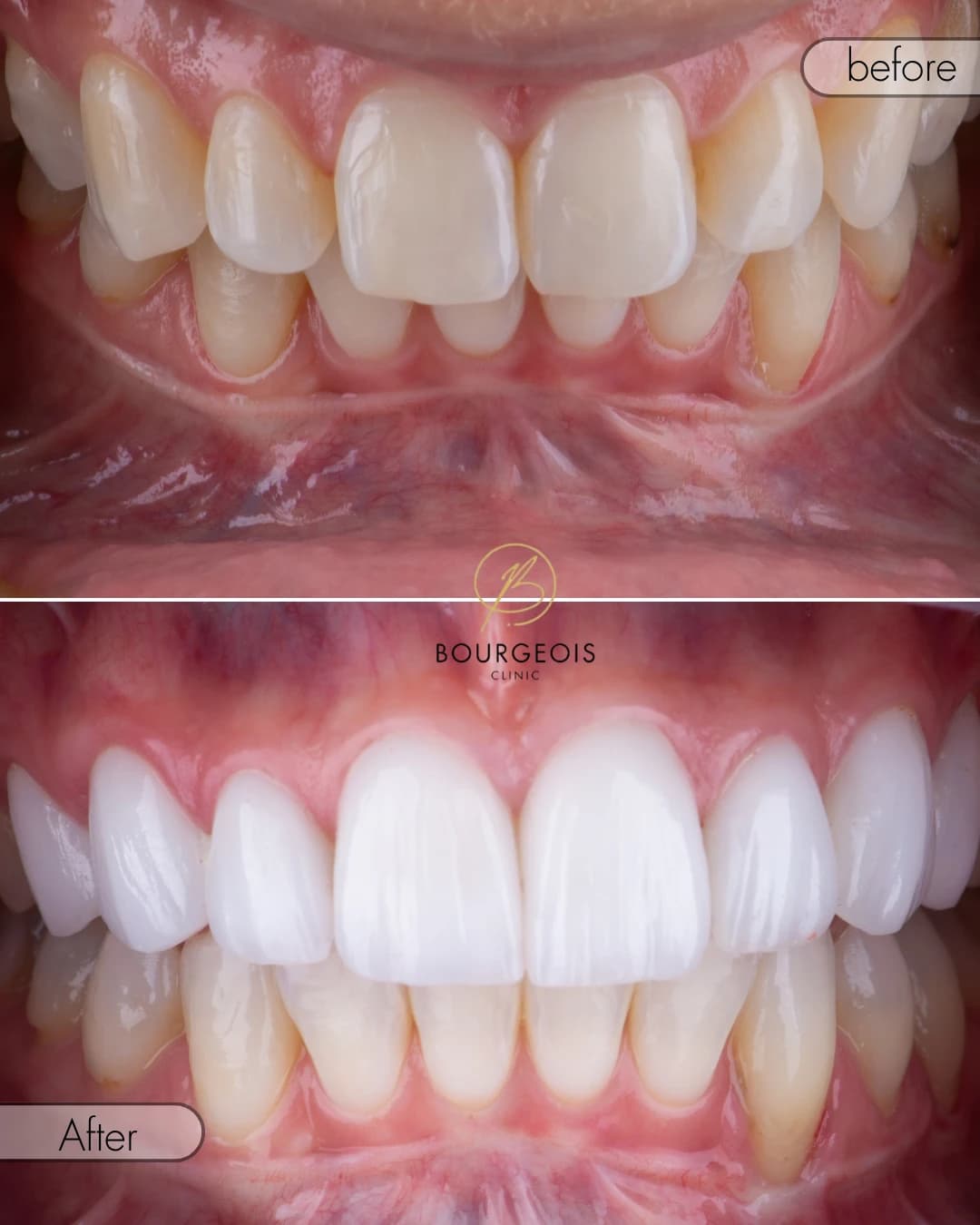
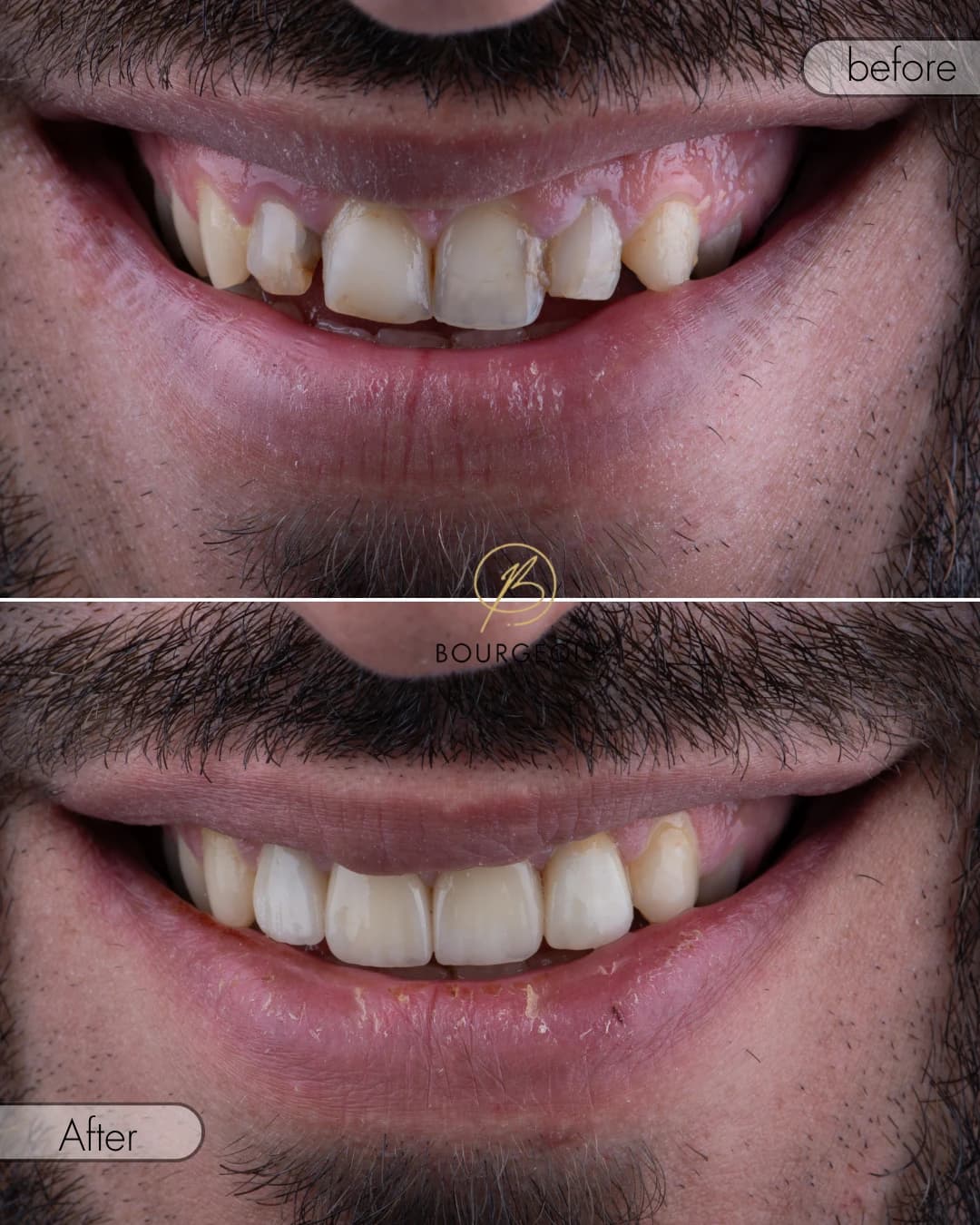
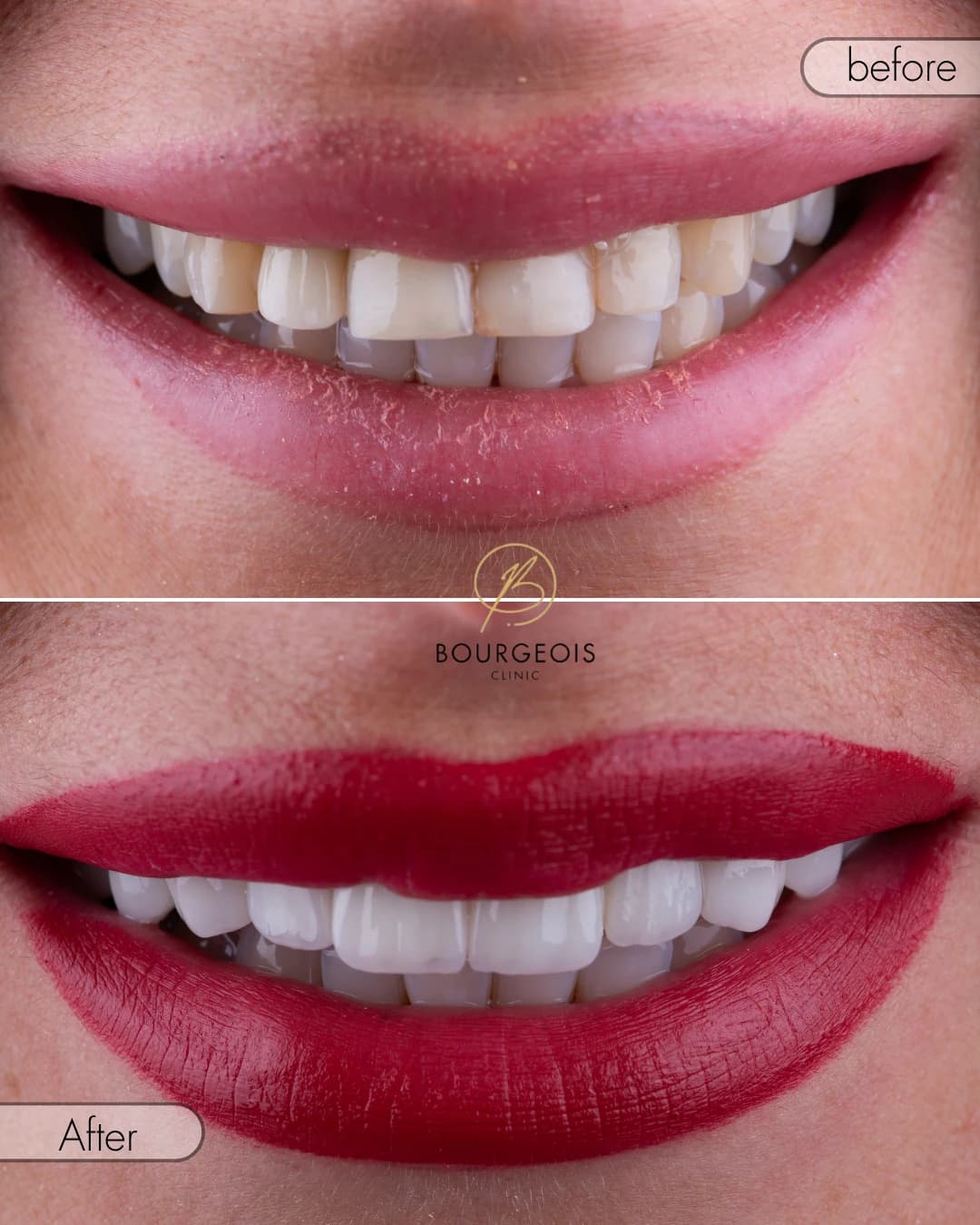
Before-and-after photographs are useful only when they represent comparable cases and are shown with patient consent. Ask about the bite correction, treatment duration, appliance used and retention—not only the final smile photograph.
Meet Dr. Samer Hassoun, Specialist Orthodontist in Dubai
Dr. Samer Hassoun is presented by Bourgeois Dental Clinic as a Specialist Orthodontist with BDS, speciality diploma and MSc credentials and more than 24 years of experience.
His current profile includes traditional and self-ligating braces, clear aligners, invisible braces, temporary anchorage devices, functional appliances, canine-impaction management, surgical orthodontics and cleft lip and palate management. This range is relevant for children, teenagers and adults with routine or complex tooth and jaw-alignment concerns.
These credentials support considering Dr. Samer for an orthodontic consultation, but they do not mean that one appliance or result is appropriate for everyone. A clinical assessment is required to confirm the diagnosis and treatment options.
Questions to Ask Before Starting Braces
- What is my complete orthodontic diagnosis?
- Which problems are dental and which involve the jaw relationship?
- Do I need treatment now, or can the condition be monitored?
- Which appliance options are suitable, and why?
- What are the limitations and risks of each option?
- Are extractions, elastics, attachments or anchorage devices expected?
- What is the estimated treatment range?
- What could delay progress?
- What is included in the total fee?
- Who will monitor treatment and manage emergencies?
- How should I clean my teeth and appliance?
- What retainers will I need after treatment?
Red Flags When Choosing an Orthodontic Provider
- Recommending braces or aligners without a proper examination
- Promising an exact result or completion date before diagnostic records
- Focusing only on straight front teeth without discussing the bite
- Claiming one appliance is best for every patient
- No explanation of risks, alternatives or treatment limitations
- An unclear fee that excludes reviews, refinements or retainers
- No plan for hygiene, broken appliances or missed appointments
- No retention strategy after tooth movement
- Pressure to pay or start immediately for a non-urgent condition
What Happens at Your First Orthodontic Consultation?
The orthodontist listens to your concerns, reviews your history and examines the teeth, gums, bite, jaw relationship and facial proportions. Diagnostic records are recommended when needed. You should receive a clear explanation of the findings, suitable options, likely stages, estimated duration, responsibilities, costs and retention.
Some patients are ready to begin planning immediately, while others need cleaning, fillings, gum care, tooth removal, growth monitoring or coordination with another dentist first. This does not represent delay; it may be necessary to begin orthodontics on a healthier and more predictable foundation.
Book an Orthodontic Consultation in Dubai
Bourgeois Dental Clinic is located on the first floor, Office No. 5, Indigo Sky Building, Sheikh Zayed Road, Exit 41, near Al Thanya Street in Dubai. The clinic is accessible from Al Barsha, Umm Al Sheif, Umm Suqeim, Jumeirah, Al Quoz, Barsha Heights, The Greens, Dubai Marina and nearby communities.
Book an orthodontic appointment with Dr. Samer Hassoun for assessment of crowding, spacing, overbite, crossbite, open bite, impacted teeth, relapse or questions about braces and clear aligners.
Editorial note: This guide explains how to compare orthodontists and does not rank any individual clinician as universally best. Professional credentials, diagnosis and treatment suitability should be confirmed for each patient.